Article | Future Cities
Business Insights | Australia's Most Effective Developer Might Not Be Who You Think
As NSW delivers some of Australia's largest and most complex infrastructure programs, it's worth asking whether government has become the nation's most effective developer.
July 27, 2026
Explore our Development & Infrastructure solutions
Click Here
There is a question that should be asked more often in Australian development circles, and the answer may be mildly inconvenient for those of us who have built careers in the private sector: when measured by complexity, stakeholder breadth and public outcome, has the NSW Government become one of the country’s most capable developers?
Before the objections arrive, let us be precise about what we mean by effective. Not cheapest. Not fastest. Not most profitable. Effective as in delivering complex, transformational projects that reshape cities, serve millions of people and navigate a level of political, regulatory and community scrutiny that would make most private sector boards cancel the project and return capital to shareholders.
On that measure, the prior and present NSW Government's recent track record is, quite frankly, extraordinary.
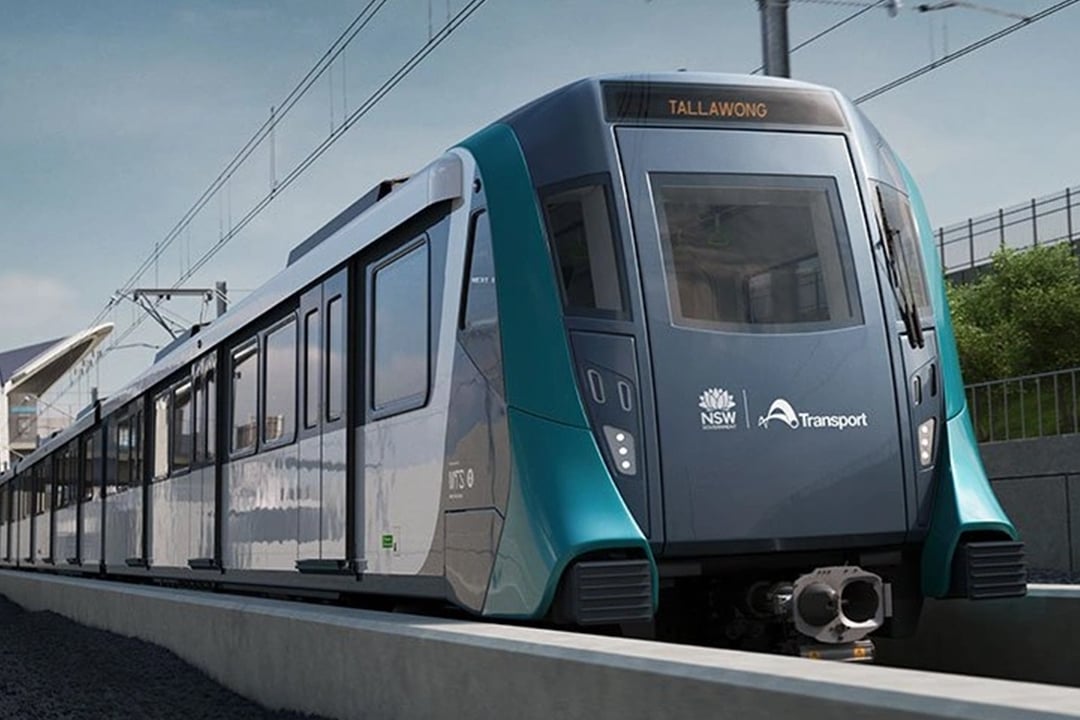
The Sydney Metro network, now comprising Metro Northwest, Metro City & Southwest, and Metro West currently under construction, represents the largest urban rail expansion in Australian history, with total committed investment exceeding $60 billion across the program. The media's preferred narrative is cost escalation. The more interesting story is that Sydney is acquiring a fully automated, world-class heavy metro system that most comparable global cities built decades ago. Tunnelling beneath an existing CBD, harbour, active utility corridors and heritage-listed precincts while maintaining daily rail operations is the kind of challenge that gets civil engineers genuinely animated at conferences. It is already creating time savings for commuters measured in days and weeks per year.
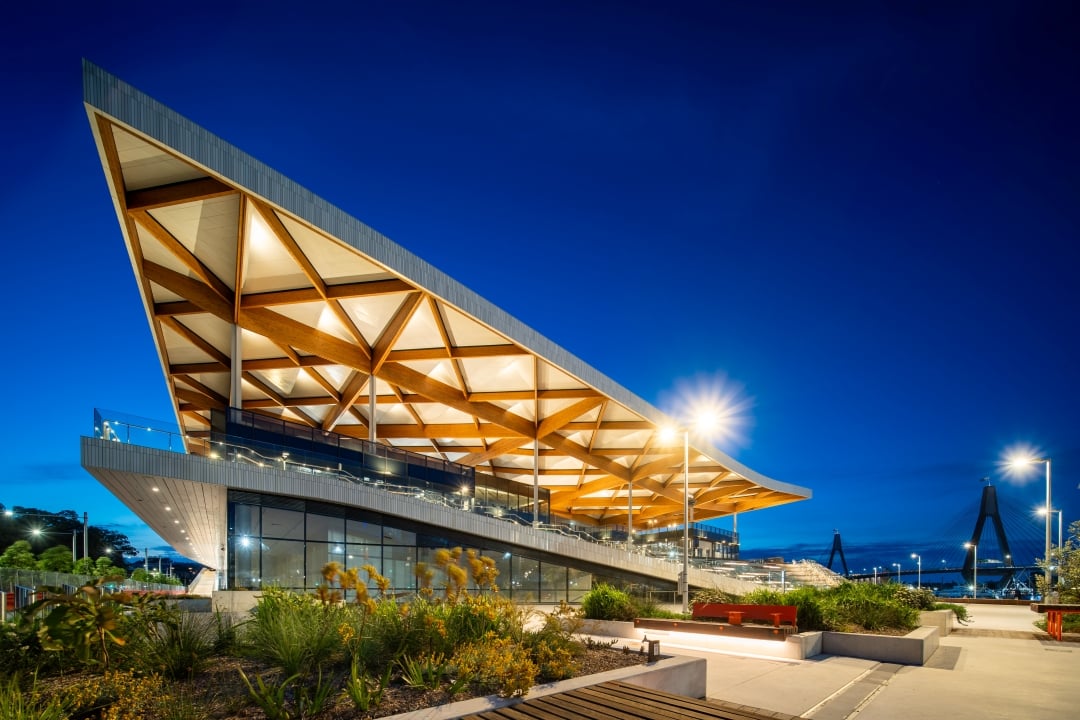
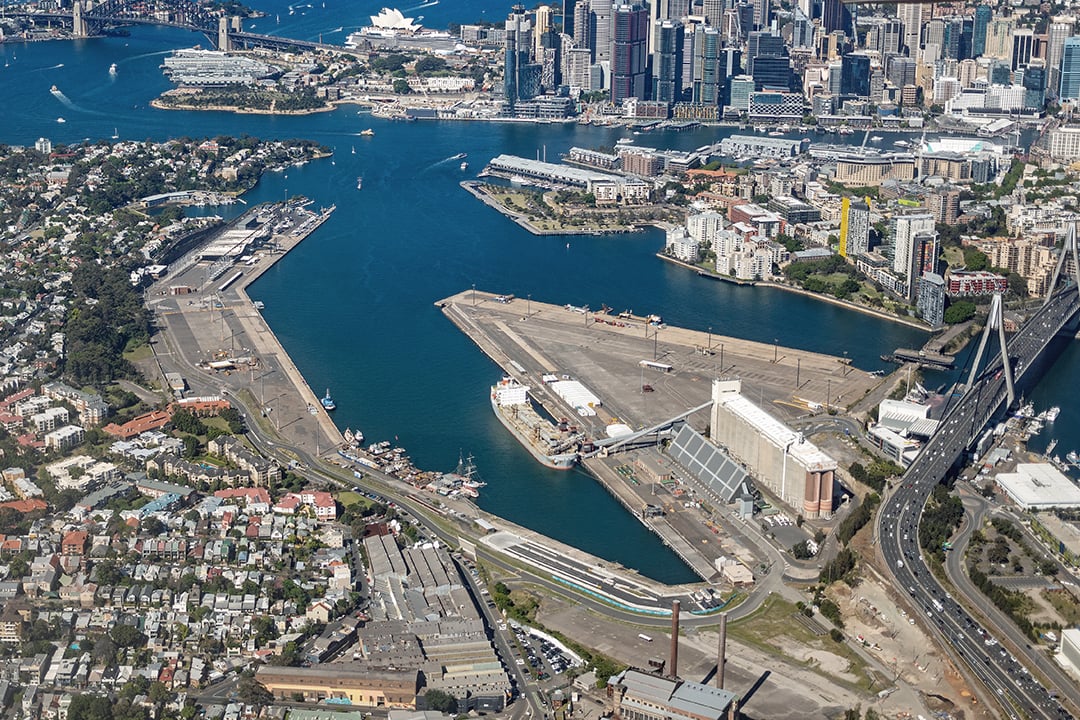
The new Sydney Fish Market at Blackwattle Bay, an $800+ million project designed by internationally acclaimed Danish architects 3XN, is arguably the most technically complex building recently delivered in Australia. The NSW Government has taken significant risk in funding a landmark piece of public infrastructure on a working harbour foreshore, liaising with tenants that operate from 2am daily and cannot simply relocate. Built within Sydney Harbour's tidal flow, it is internationally acclaimed as an architectural marvel for Sydney and may well continue to be the most visited tourist destination in Australia.
And another example: the reconstructed Allianz Stadium at Moore Park, delivered for approximately $830 million, replaced a beloved if structurally compromised venue, navigated intense public sentiment and produced a 42,500-seat stadium widely regarded as one of the finest rectangular venues in the world.
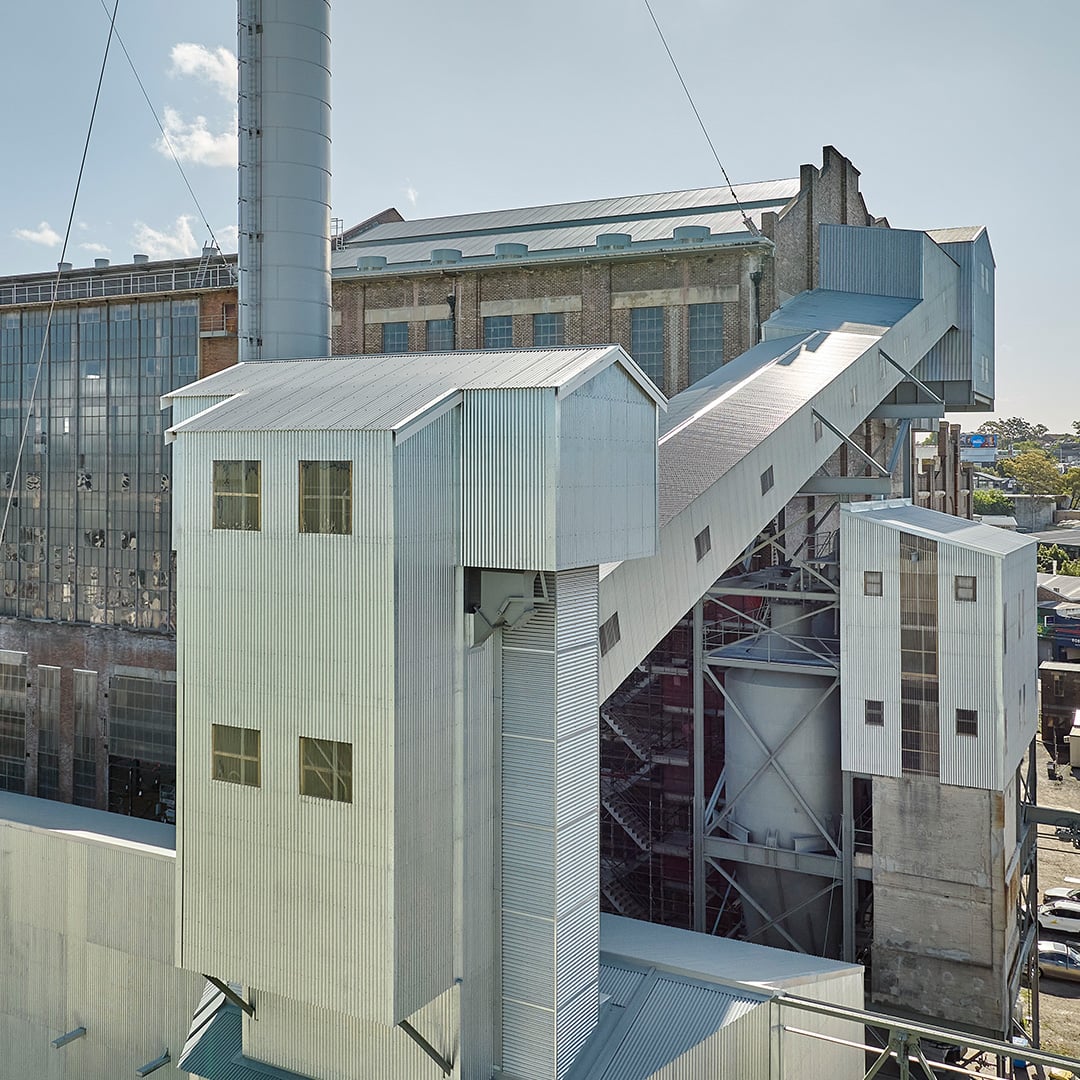
What has been impressive is the breadth of development assets; not only social and economic infrastructure such as social housing, schools, hospitals, rail, roads and transport, but also sports, performing arts and cultural facilities, including the NSW Art Gallery, Barangaroo Cutaway, Sydney Opera House Renewal, White Bay Power Station, Penrith Stadium, Western Sydney Stadium, Walsh Bay Arts Precinct and Barangaroo Headland Park. The list goes on!
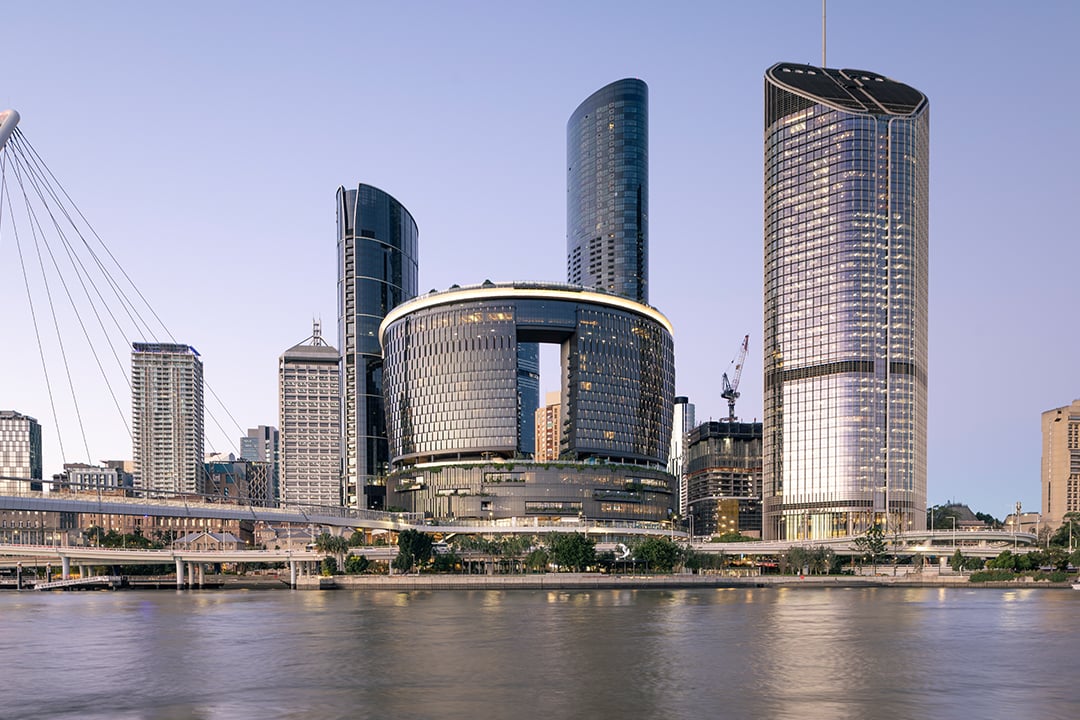
Led by private sector developers, several commercial office towers in Parramatta Square CBD have been transformative for that city, as have Aurora Central, Melbourne and the new International Convention Centre, Sydney. The development of Northern Beaches Hospital by a private sector consortium and Queen's Wharf, Brisbane have been more controversial.
It is worth noting, however, that the financial outcomes of major private infrastructure tends to be more opaque than public sector equivalents, and the stakeholder universe, while certainly complex, rarely includes the entirety of the NSW voting public, a vocal heritage lobby and the Sydney Morning Herald's letters page simultaneously. Benefits are measured differently, with private projects typically assessed through commercial performance and investor outcomes, while public projects must also consider broader social, economic and community impacts.
The private sector's risk tolerance is also very different, focused primarily on ROI to investors and more influenced by sector cycles, delay risk and medium-term outcomes which, to be fair, can create arguments about apples-to-oranges comparisons. Ultimately, many of Australia's most successful developments have been delivered through collaboration between government, investors, developers, contractors and operators, with each bringing different strengths.
The pipeline of work created by NSW Government is typically so vast that contractors and operators can take comfort in knowing there will be an element of the work, and therefore the delivery risk, shared across the market.
Due to the scrutiny applied to the public purse, public infrastructure projects are often subject to intense commentary about budgets and timelines. While important, those discussions can overshadow the longer-term economic, social and productivity benefits generated by major infrastructure investment.
Few state or federal government entities have delivered a program of works comparable in breadth and scale to NSW over the past decade. It will be interesting to see how lessons from this experience inform project delivery across Australia.
When a single government entity is delivering a $60 billion metro network, a $20 billion hospital program, a $6 billion social housing program, Bays Precincts and world-class stadiums in Sydney, Penrith and Wollongong, each under intense public scrutiny and media commentary that can mistake construction noise for programme failure, perhaps the more honest question is not whether NSW Government can develop effectively.
Perhaps the more interesting question is what government and industry can learn from the scale, consistency and ambition of these programs as Australia plans its next generation of infrastructure and city-shaping investment.
Before the objections arrive, let us be precise about what we mean by effective. Not cheapest. Not fastest. Not most profitable. Effective as in delivering complex, transformational projects that reshape cities, serve millions of people and navigate a level of political, regulatory and community scrutiny that would make most private sector boards cancel the project and return capital to shareholders.
On that measure, the prior and present NSW Government's recent track record is, quite frankly, extraordinary.
The Scale is Genuinely Unprecedented
Consider the NSW Health Infrastructure program in isolation. Over the past decade, the Government has managed a hospital construction pipeline exceeding $20 billion, not one flagship project, but a concurrent, statewide program encompassing Westmead redevelopment, the new Maitland Hospital, Nepean and Liverpool Hospitals, John Hunter, Rouse Hill, Bankstown, Eurobodalla and Shellharbour regional hospitals, Royal Prince Alfred and Prince of Wales, and dozens of smaller facilities across the state. Each must remain connected to a live healthcare system. NSW Health Infrastructure has become a production line for crunching out highly complex major hospital projects on budget, on program and with relatively minimal negative media. You cannot pause emergency services while you sort out a delayed contractor.The Sydney Metro network, now comprising Metro Northwest, Metro City & Southwest, and Metro West currently under construction, represents the largest urban rail expansion in Australian history, with total committed investment exceeding $60 billion across the program. The media's preferred narrative is cost escalation. The more interesting story is that Sydney is acquiring a fully automated, world-class heavy metro system that most comparable global cities built decades ago. Tunnelling beneath an existing CBD, harbour, active utility corridors and heritage-listed precincts while maintaining daily rail operations is the kind of challenge that gets civil engineers genuinely animated at conferences. It is already creating time savings for commuters measured in days and weeks per year.
The new Sydney Fish Market at Blackwattle Bay, an $800+ million project designed by internationally acclaimed Danish architects 3XN, is arguably the most technically complex building recently delivered in Australia. The NSW Government has taken significant risk in funding a landmark piece of public infrastructure on a working harbour foreshore, liaising with tenants that operate from 2am daily and cannot simply relocate. Built within Sydney Harbour's tidal flow, it is internationally acclaimed as an architectural marvel for Sydney and may well continue to be the most visited tourist destination in Australia.
And another example: the reconstructed Allianz Stadium at Moore Park, delivered for approximately $830 million, replaced a beloved if structurally compromised venue, navigated intense public sentiment and produced a 42,500-seat stadium widely regarded as one of the finest rectangular venues in the world.
What has been impressive is the breadth of development assets; not only social and economic infrastructure such as social housing, schools, hospitals, rail, roads and transport, but also sports, performing arts and cultural facilities, including the NSW Art Gallery, Barangaroo Cutaway, Sydney Opera House Renewal, White Bay Power Station, Penrith Stadium, Western Sydney Stadium, Walsh Bay Arts Precinct and Barangaroo Headland Park. The list goes on!
The Private Sector, in Fairness
The private sector's trophy cabinet is not empty. WestConnex, ultimately acquired by Transurban at $9.3 billion, and NorthConnex, delivered at approximately $3 billion, were genuine infrastructure mega-project achievements. Lendlease's Barangaroo South and AMP's Quay Quarter precinct have materially reordered Sydney's northern harbour foreshore CBD skyline. These are real, complex, well-executed projects by tier-one developers.Led by private sector developers, several commercial office towers in Parramatta Square CBD have been transformative for that city, as have Aurora Central, Melbourne and the new International Convention Centre, Sydney. The development of Northern Beaches Hospital by a private sector consortium and Queen's Wharf, Brisbane have been more controversial.
It is worth noting, however, that the financial outcomes of major private infrastructure tends to be more opaque than public sector equivalents, and the stakeholder universe, while certainly complex, rarely includes the entirety of the NSW voting public, a vocal heritage lobby and the Sydney Morning Herald's letters page simultaneously. Benefits are measured differently, with private projects typically assessed through commercial performance and investor outcomes, while public projects must also consider broader social, economic and community impacts.
The private sector's risk tolerance is also very different, focused primarily on ROI to investors and more influenced by sector cycles, delay risk and medium-term outcomes which, to be fair, can create arguments about apples-to-oranges comparisons. Ultimately, many of Australia's most successful developments have been delivered through collaboration between government, investors, developers, contractors and operators, with each bringing different strengths.
Other Factors
In addition to delivering a vast array of mega-scale development assets, NSW Government is renowned for generally being a reliable payer. Contractors are comfortable working for NSW Government because procurement is typically fair, payment terms are honoured, variations are reasonably considered and paid, and insolvency and liquidity risk is low.The pipeline of work created by NSW Government is typically so vast that contractors and operators can take comfort in knowing there will be an element of the work, and therefore the delivery risk, shared across the market.
Due to the scrutiny applied to the public purse, public infrastructure projects are often subject to intense commentary about budgets and timelines. While important, those discussions can overshadow the longer-term economic, social and productivity benefits generated by major infrastructure investment.
Few state or federal government entities have delivered a program of works comparable in breadth and scale to NSW over the past decade. It will be interesting to see how lessons from this experience inform project delivery across Australia.
The Uncomfortable Question
The standard market position holds that private developers are more nimble, more disciplined, more creative and more commercially responsible than government delivery agencies. That is often true. But accountability without transparency is a different proposition, and nimbleness at smaller scale does not automatically confer capability at the scale the NSW Government now routinely operates. It would be hard to imagine a private sector developer justifying the new Sydney Fish Market. However, Sydney's tourism, cultural and fishing industry landscape would be significantly poorer without this asset, which will deliver ongoing economic and social outcomes for the people of NSW and Australia.When a single government entity is delivering a $60 billion metro network, a $20 billion hospital program, a $6 billion social housing program, Bays Precincts and world-class stadiums in Sydney, Penrith and Wollongong, each under intense public scrutiny and media commentary that can mistake construction noise for programme failure, perhaps the more honest question is not whether NSW Government can develop effectively.
Perhaps the more interesting question is what government and industry can learn from the scale, consistency and ambition of these programs as Australia plans its next generation of infrastructure and city-shaping investment.
