Kathryn House
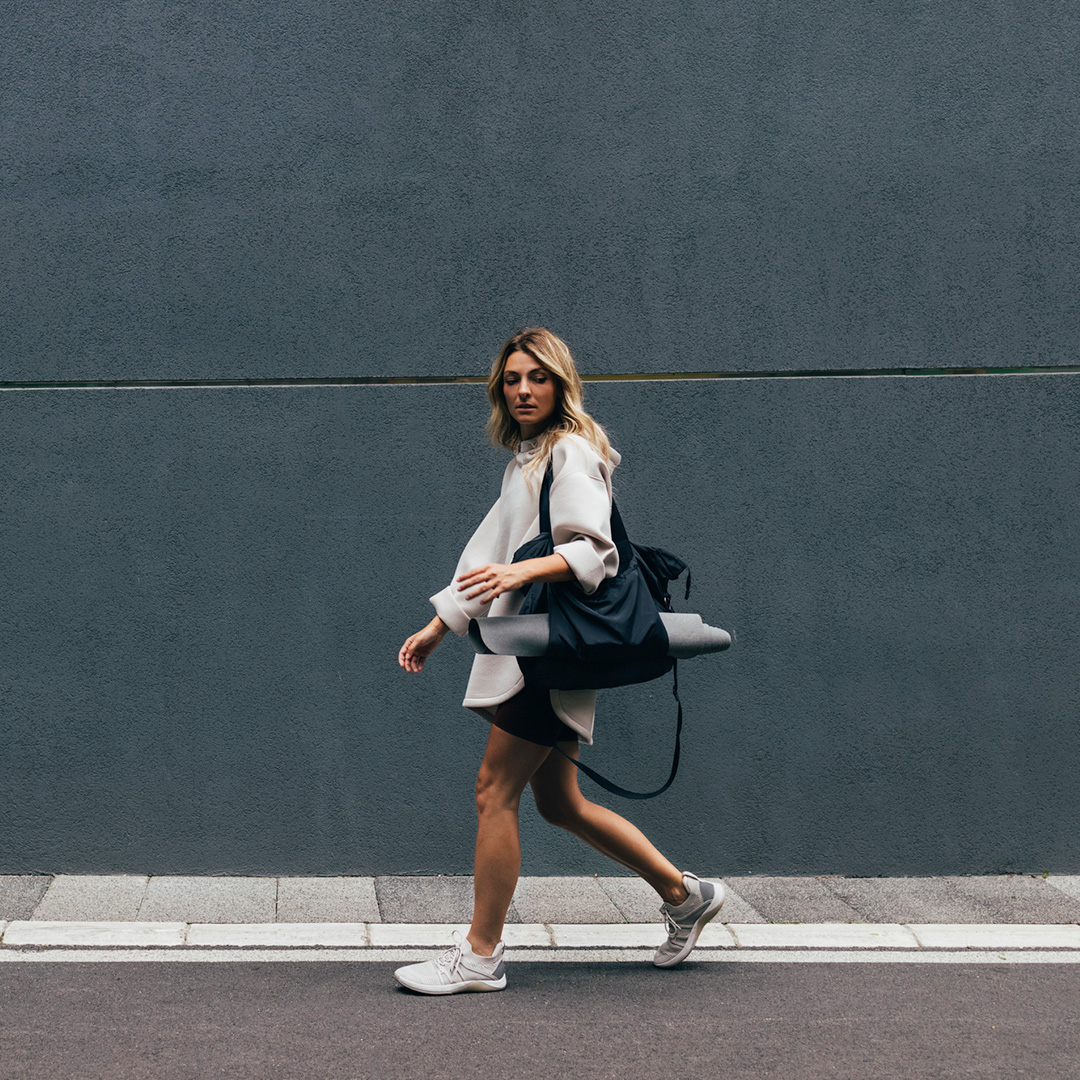
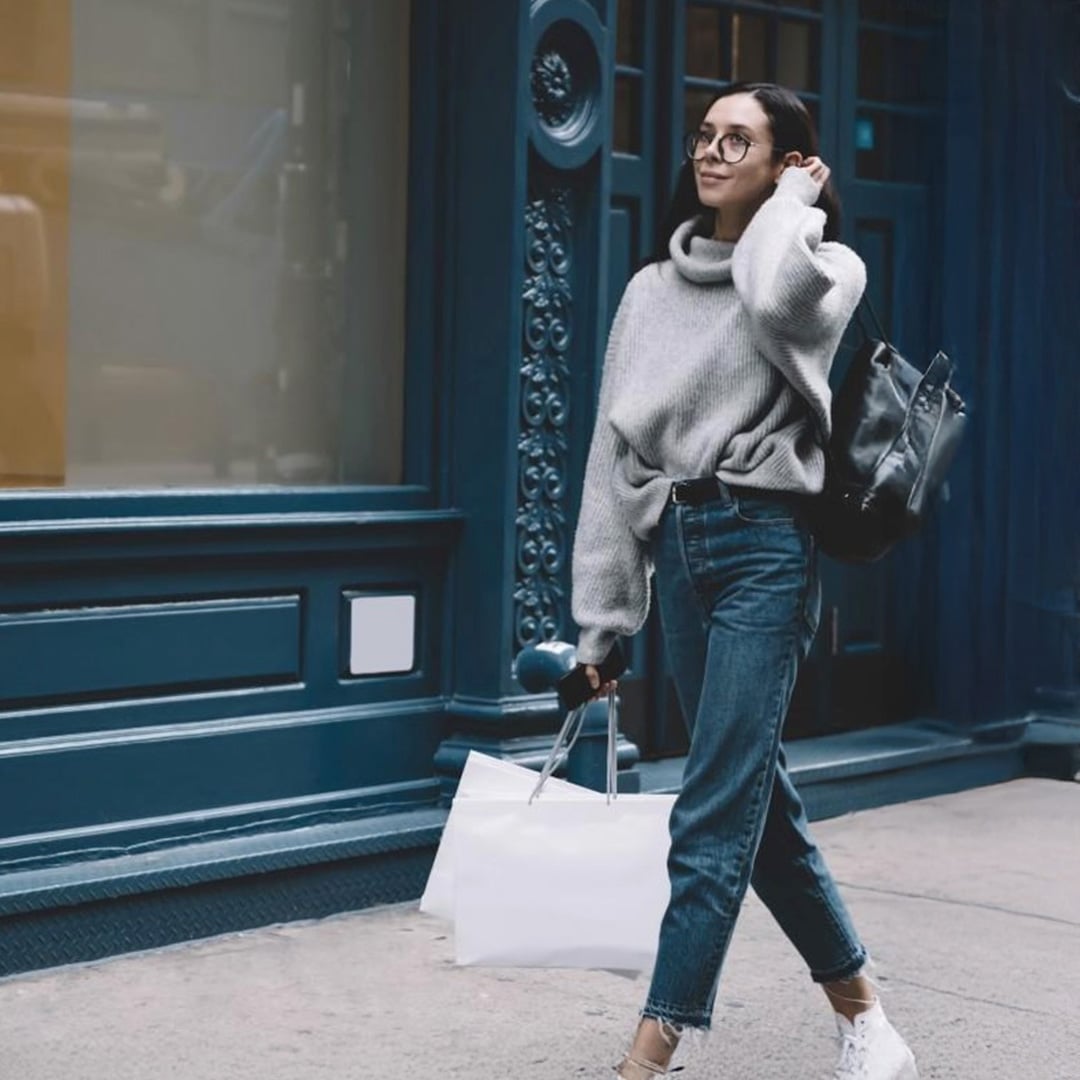
Hello, and welcome to Talking Property with CBRE. I'm Kathryn House, your podcast host, and in this episode I'm pulling on my gym gear to examine the huge growth occurring in the athleisure wear sector. Athleisure brands have been reshaping the future of Australia's retail market. Driven by the rise of remote work, active lifestyles, social media and a generational shift, demand for athleisure clothing is booming. In tandem, many brands are looking to expand their online success into physical retail stores, with IBISWorld forecasting that sales of sportswear that's both fashionable and functional will grow by almost 1 billion to be close to $5 billion by 2030.
Anna Strzelczykowski
When we change, choose a new location, you know, we're looking for the intersection of foot traffic, brand fit and community. We absolutely use online sales data as a part of that picture and we use demographic profiling. But, you know, the physical environment still has to deliver on our brand instinct and experience.
Kathryn House
That's Anna Strzelczykowski, head of property and retail development for Lorna Jane, a pioneering athleisure wear brand, which established its first store in 1990 and now has 110 outlets across Australia and New Zealand, as well as a global online presence.
Kate Bailey
We're seeing landlords really see that uptick of demand and start to almost remix their centres to create precincts within shopping centers. Now there's activewear and athleisure wear precincts and, you know, they're performing exceptionally well.
Kathryn House
And That's Kate Bailey, CBRE's Australian head of retail research, who's going to provide some insights from CBRE's recent Fitness Becomes Fashion research report. I hope you enjoy our conversation as we delve into what this means for retail investors, landlords and occupiers. And yes, I am recording this podcast in my athleisure wear. Anna, thanks for joining me today.
Anna Strzelczykowski
Thank you for having me. I'm excited to be here and chat about something. I live and breathe every day and I really enjoyed reading the CBRE report. It's always refreshing, you know, to see insights from outside of the four walls of our brand.
Kathryn House
It's great to have you on. And Kate, also great to have you back on Talking Property.
Kate Bailey
Yes, thrilled to be here. Very excited to talk all things athleisure wear.
Kathryn House
So, Anna, perhaps to kick us off, for those who might not know the full Lorna Jane story, could you talk us through how this brand came to be?
Anna Strzelczykowski
Yes. So Lorna Jane started in 1989 when our founder, Lorna Jane Clarkson, began making workout gear for herself because what was on the market just didn't inspire her. That authenticity, creating products she genuinely wanted to wear quickly resonated with other women and led to the opening of our first store in 1990. So fast forward 36 odd years and we now have 110 stores across Australia and New Zealand, plus a global online presence. But, you know, over that time, obviously our consumer has changed dramatically. Activewear, or athleisure, isn't just about performance anymore. It's about identity, it's about confidence and how women, you know, choose to show up for themselves every day. It's moved from something, you know, you wore to the gym to something you wear for your life. And we've evolved alongside that, designing pieces that perform in a workout but look and feel incredible, you know, for the rest of your day.
Kathryn House
So it's not just product driven, it's lifestyle driven?
Anna Strzelczykowski
It always has been. Yes, active living has always been the concept and move, nourish, believe has always been the holistic approach with the brand.
Kathryn House
So, Kate, I found CBRE's athleisure wear report to be a really fascinating read when you look at the resilience of this category given the recent retail headwinds. So I think in the sector, you know, it was a CAGR of 3% between 2019, 2024. Expected to step up to 3.4% between 2025 and 2030. What do you put that down to and what are the key drivers of this sector moving forward?
Kate Bailey
Yes, it has been absolutely incredible growth that we've seen recently. And I think Anna put it really well, like thinking about that lifestyle shift that we're seeing, particularly amongst Gen Z and millennials. Big focus on healthy lifestyle, big focus on social media, what you wear to the gym, filming your workout. I know when I'm at the gym I see a lot of people recording themselves now and they all look fabulous.
Kathryn House
I couldn't imagine anything worse.
Kate Bailey
I know I feel like I'm always ducking in the background to stay out of shot. But, you know, it is such a really significant part culturally that we've seen that shift. But most of all, I think, you know, the pandemic has just really changed how we live and work. You know, we're working from home more often. We want to be comfortable. People are much more casual in how they dress now as well, less formal in the workplace, on the street. And we've seen our athleisure brands really sort of shift and expand their ranges to try and meet that market as well. So it's been a bit of a combination of things, but altogether it's led to some pretty explosive growth in the sector.
Kathryn House
So, Anna, how much was Covid a really big driver for this sector?
Anna Strzelczykowski
Oh, absolutely. It accelerated, you know, what was already happening. We were already seeing a shift to comfort and versatility. But suddenly people needed clothes, you know, that could take them from their home office to a walk outside and then a workout, all without changing. You know, it also deepened the focus on health, wellbeing and movement, which has really stayed with us. But, you know, touching on the social media aspect, it is the new shop front, right? It's now global, it's 24/7. It's incredibly personal. You know, for athleisure, it's a dream. A customer isn't just buying tights, she's buying the lifestyle that she sees on, say, Instagram or TikTok, the school run, the pilates class, the coffee with friends. You know, we've seen trends go from, you know, a single post to selling out in days. And that's not just a one-way conversation. Our community tells us what they love in real time. And that feedback shapes everything from product design to store presentation.
Kathryn House
[00:06:48]
So I heard a really interesting term the other day and, you know, it was talking about doom spending. So essentially, young people giving up on saving money to obtain this short and long term gratification through shopping. And that's to cope with, I guess, all these current stresses of inflation and the economy. There was a really interesting panel I tuned into the other day where Catherine King from Leo Burnett said 29% of Australians are now doom spending to inject this sense of meaning, pleasure and distraction into this world where it probably feels a little bit out of control sometimes. Is that something you're seeing playing out in the athleisure wear category?
Anna Strzelczykowski
Yes, there's no doubt people are being more selective about where their money goes, but I think that's where athleisure has an edge. It's a purchase that feels good twice or really over and over. So, you know, you get that hit when you buy it and again every time you wear it. And because our product is designed for versatility, customers see it as an investment in both their lifestyle and their wardrobe. So, you know, if you think about cost per wear, they're certainly getting the value there.
Kate Bailey
I think we talk about the lipstick index as well a little bit. So when, you know, we have trickier economic times, we tend to see the, you know, sales of lipsticks go up because people still want to buy themselves a little treat. And I think workout wear and athleisure wear really falls into that category as well. You know, it might not be as significant as buying a really high-end fashion piece, but you can still feel like you've got a little treat. You're buying something for yourself without breaking the bank. So, absolutely. I think doom spending is probably a good way to describe.
Kathryn House
Sounds terrible when you say doom but. So if we link it back to property, bricks and mortar, is this positive trajectory of that industry driving demand for more stores? Kate? You know, obviously that came through in the report.
Kate Bailey
Yes, we are seeing a lot of athleisure brands, even those groups started online, really expand their footprint as well. And the flip side to that is, I guess we're seeing landlords really see that uptick of demand and start to almost remix their centres to create precincts. Whereas you might have had luxury precincts, you might have had, you know, your everyday kind of wear precincts within shopping centres, now there's activewear and athleisure wear precincts. And, you know, they're performing exceptionally well. And the fit outs of these stores still really high end, really comparable with, I guess, more kind of traditional retail. And they're seeing really solid foot traffic and really good sales densities as well. And as a result, we know that landlords are increasingly looking towards how they can expand this tenant base within their centre.
Anna Strzelczykowski
Yes, athleisure is tactile too, right? Like, customers want to feel the fit the fabric and be inspired by full outfit styling. So for us, you know, the magic happens when online and offline work together. Our online and offline, our omnichannel strategy means, you know, you can discover the product on social media, you can check the stock online and pick it up in store all in the same day. And when you walk in, you know, you're met with an experience that feels like stepping into your favourite social thing brought to life.
Kathryn House
I think it's interesting because some people potentially thought that online only, you know, that you don't need to have those bricks and mortar stores, but it is still so important to have that physical presence. Is that what you're finding, Anna?
Anna Strzelczykowski
Yes, absolutely. It's essential for us, you know, experiential retail. You know, it doesn't mean for us, say, in the example of, you know, the Melbourne Emporium installing a basketball court, like, that's very cool. But it's for us about creating a space where our customer sees herself. This might be through our shop the look concept, where we present head to toe outfits as inspiration or through the team's personal styling advice. You know, every detail in store is designed to spark ideas and make shopping effortless.
Kate Bailey
Yes, I think that's such a great point. I know I've been, you know, been shopping in store before and bought the leggings and then have seen the matching top and kind of gone to that as well. And I think, Anna, what you mentioned about experiential retail is spot on. You know, it doesn't necessarily have to be a whole basketball court, but we even see groups like, you know, The Athlete's Foot, you know, how can we fit your shoe? We can try and use computers to figure out your exact gait and, you know, your footprint and try and fit a shoe that really suits you. And that's the sort of experience that you can't get online. So I think that there's a whole range of kind of what the experience looks like. But we know that a lot of retailers are really investing in that, whether that's the feel within the store or, you know, some really interesting technology or like you say the Nike store in New York with the full size basketball court that records your, you know, shot and all of that kind of stuff. So, you know, it's definitely a spectrum.
Anna Strzelczykowski
There's a lot to be said about the human element as well. That's sort of what I talk a lot about. And that's only something that can really be tangibly offered face to face.
Kathryn House
And probably a good extension of that is like, how important are these community partnerships? Obviously, when people are shopping online, but they want to feel like they're also being involved in something bigger than that. Talk to us about what Lorna Jane is doing in that sort of community space.
Anna Strzelczykowski
Yes, the brand was really built on community. It's in our DNA. And if you go back many moons ago, there was the inspo tanks that Lorna Jane was known for and you know, you'd see another woman or another girl wearing an inspirational tank and there was sort of that shared recognition and acknowledgement that you are on, you know, that sort of personal journey. So yes, absolutely, in our DNA. We've got a partnership with Parkrun. That's a perfect example. It's not about, you know, just tokenistic selling product on the sidelines, but showing up where the customer is, sharing her passion for movement and building genuine connections in that community. The sense of belonging, you know, is priceless for the brand and we are a feminine offering. So we don't have to be everything to everyone, but empowering women is a thread that we try and weave.
Kathryn House
And so in terms of your focus when it comes to opening new stores, what's the key to success there? How do you choose a new location to, you know, you're looking at fit out, store sizes, high street versus shopping centre. Like, how do you decide where you open those new stores?
Anna Strzelczykowski
Yes, look, Kathryn, the brand was built on retail. So there's a lot of history there. There's a lot of knowledge. We're in a bit of a different place. You mentioned previously about online businesses, Kate, now sort of, you know, venturing into bricks and mortar. But we were built in retail. So, you know, when we choose a new location, you know, we're looking for the intersection of foot traffic, brand fit, and community. You know, it might be high street or a shopping centre. It has to feel, you know, somewhere where our customer wants to spend her time. We absolutely use online sales data as a part of that picture. It can show where demand already exists and help us forecast success. We use demographic profiling, in a sense, you know, centre performance and obtain insights from our retailer peers. But, you know, the physical environment still has to deliver on our brand instinct and experience. So Bill, who's Lorna's husband, he used to negotiate all of our leases and build our stores, and he is still here every day. So, you know, having someone to kind of as a sounding board to talk about history and actually get out there and put your feet on the ground, there's nothing that kind of, you know, delivers what instinct can.
Kathryn House
Yes. A question maybe for you, Kate. And I just thought about this because we've been talking a lot about the female athleisure buyer. Are we seeing the same trends happening, you know, with male athleisure? I mean, is that driving retail as well?
Kate Bailey
Yes, it definitely is. You know, we know that that Gen Z millennial cohort, male, female, everyone is pushing towards a healthier lifestyle, and that is driving demand. So while, you know, the more traditional women's side of things is a little bit more established, we are seeing growth. We are seeing a lot of brands expand their collections, and we are, you know, sort of seeing maybe a bit more of a focus on performance rather than fashion in those spaces, whether that's in terms of fabric, in terms of design, but it's definitely a big growth sector that we're seeing more and more of.
Kathryn House
And how much, Kate, do you think this is all being factored in by investors, owners, and developers?
Kate Bailey
Yes, definitely. I think, you know, even if we think about shopping centres at the moment, there's a big focus on how you can sort of move outside from that 10 to 5 sort of opening hours. And so opening gyms, having fitness facilities on site is such a big part of that, getting people and foot traffic in earlier in the day. And so we've seen a huge focus on that type of growth and it sort of fits hand in glove to then have athleisure retailers as well close by these parts of the shopping centre. So we are seeing very savvy landlords start to expand and really look towards athleisure groups to help drive foot traffic and growth.
Kathryn House
And does it create some good repositioning opportunities? I think, you know, if you're looking at an older shopping centre and you're looking at how you can reposition it, is this a real opportunity to create these new wellness precincts?
Kate Bailey
Absolutely. I mean, we've got data that shows what our average spend was like 20 years ago and what our average spend is like now. And it's really interesting because the proportion of spend on rent, on food, that's all more or less the same. What has changed, the big mover, has been we're spending less on tobacco and alcohol and we're spending more on recreation and fitness. So we've become so much morehealthy and have such a focus on that as well. So we're responding accordingly to that. So not only is there more foot traffic through these type of groups, more brands are popping up as well and there's more growth. So it's the rising tide lifts all boats in a lot of ways. We're seeing these precincts grow and grow and get more foot traffic through there. And, you know, that's really responding to what the consumer's after.
Kathryn House
It's a good question about what the consumer's after. And this is not a bricks and mortar property question, but one maybe for you, Anna. Like, I think there's a lot of talk about inclusivity, particularly when it comes to athleisure brands. How are you finding that playing out? Consumers really prioritising inclusive brands?
Anna Strzelczykowski
Yes, I think absolutely. We probably experience this quite heavily, not so much now, but in the last few years. And I think what is really important is that you focus on a few key things and you do them really, really well to include people, because at the end of the day, you can't be everything to everyone. And, you know, we've been through that journey with the Lorna Jane brand, but we have certainly found that focus just absolutely has driven our trajectory.
Kathryn House
And so what's next for Lorna Jane? Like, where's the next horizon?
Anna Strzelczykowski
Yes, look, we spoke earlier about having 110 stores and we have, in Australia, have had up to about 150 stores. Go back about 10 years in the height of the size of our portfolio. And we have been in other international markets other than New Zealand. But it comes back to what I spoke about just before. With the inclusivity, we have sharpened our focus. So Australia and New Zealand, she is our customer. We could be in other markets, but in terms of resourcing, if we can really hone in on our backyard, that's really where we've found the success. So for Lorna Jane, it is not about being the biggest, but what we do want to be is to be the best. To be the best. To be the go-to for the modern woman and what she's sort of looking for in her wardrobe. So again, we're differently placed than some of our competitors and we are revisiting, I suppose, opportunities where we have come out of, you know, those communities might have experienced gentrification. And so we are in a position to revisit centres that we may have come out of, say, five years ago. So we don't need to be everywhere. We have a really strong online presence, but we just want to show up and not leave anything on the table.
Kathryn House
Yes. And what are you seeing, Kate? What are your thoughts on this athleisure trend going forward? Any big predictions?
Kate Bailey
It's almost like a lot of these athleisure brands are now following the general market as well. So we are seeing larger footprints, often a real focus on fit outs as well. Really high-end fit outs that are really interesting and, and really refreshing that space. And probably just a really keen eye about where you want to be located. You know, that micro retail mix is super important. Who's next door, who's in your wing of the shopping centre as well. And being super strategic, using data to say we want to be there, this is where our customer is. And you know, we know this is where we need to be within the centre as well. So probably just lifting up that customer experience more and more and just being really precise about where you want to be and why. But yes, it's, it's a really exciting time, I think, to be working in this space. There's a lot of change and a lot of opportunity.
Kathryn House
Yes. And if you could give maybe one big piece of advice to landlords if they're wanting to tap into this sector. What would that be?
Kate Bailey
Absolutely. Have the conversation. This is where so much of the growth is happening. You know, it's outpacing retail sales, it's outpacing the traditional clothing and, you know, footwear genre of the retail trade index. So absolutely. Start thinking about your centre. Start trying to figure out what brands you want to include in your portfolio, because there's a lot of growth in this space and a lot of opportunity.
Kathryn House
And Anna, would you have any advice for landlords if they're wanting to really kind of rally around this?
Anna Strzelczykowski
Absolutely. I would say, you know, don't make assumptions about a brand. Sit down with that brand. Get to understand what makes that brand tick, you know, because perception is so important and individual perception is different. So if you can spend time with retailers and really understand what they're chasing and what's important to them, that will make that precincting adjacencies a whole experience so much more enriching for everyone.
Kathryn House
Well, it was so great to have you on Talking Property, Anna, and I particularly enjoyed being able to do this podcast in my athleisure wear.
Anna Strzelczykowski
Yes, likewise. I think that says it all, really. You know, this is more than a category. It's a way of living and it's exciting to be part of where it's heading next. Thank you so much.
Kathryn House
And Kate, so great to get your retail insights, as always.
Kate Bailey
No, really great conversation.
Kathryn House
Thank you both for our listeners. Thanks for tuning in. And if you want to read CBRE's Fitness Becomes Fashion Report, you can find a link in our episode notes. And also make sure to subscribe to Talking Property so you don't miss our upcoming episodes. It'd be great too if you could rate our review Talking Property as that will help other people find us. And you can reach me with future podcast ideas by emailing talking
[email protected]. Until next time.