Article | Evolving Workforces
Business Insights | How putting people at the centre drives performance and exceptional property management
CBRE's property management team delivers value to clients by harnessing technology, data, and a people-first approach to create exceptional experiences.
July 7, 2026

Learn about property and portfolio management
Click Here
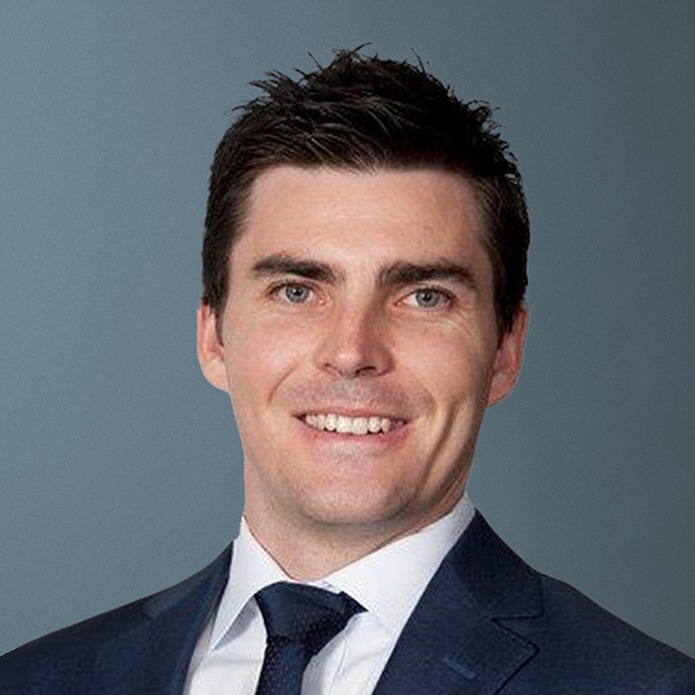
For James King, a career in property management is about much more than buildings.
From working with clients who own assets to customers who use the spaces and the people who keep the buildings running, delivering value hinges on how property managers harness technology, data, and a people-first approach to create exceptional experiences.
“You do need to have a strong interest in property but a lot of what we do is about people,” James explains. “That’s one of the reasons I’ve stayed on the property management side throughout my career because you work with customers, contractors, and clients and to be successful you need to read people and understand their different drivers. That keeps it interesting, keeps it fun.”
In his 17 years with CBRE, James has seen property management evolve from a predominantly operational function into a more complex, strategic, and people‑centric business. It’s an evolution that mirrors his own career trajectory which has always been driven by a simple goal: to be the best at whatever role he had.
“I started out as an assistant property manager,” says James, who is now CBRE’s Senior Managing Director of Property Management for Australia and New Zealand. “I never had huge aspirations or visions of greatness. I just wanted to be the best assistant property manager I could be. I’ve always focused on doing my current role well, finding a point of difference and drawing on the knowledge and experience of leaders and other people around me to develop my own style. And that mindset created opportunities for me,” he added.
James says this complexity has elevated the role property management plays in protecting and enhancing asset value and requires deep collaboration with clients.
“Our teams are dealing with a much more dynamic environment,” James explains. “They are at the coalface and the impact they have on our clients, customers, and asset performance is more significant than ever.
“Changing workplace behaviours have also played a part in shifting our role. As organisations continue to embrace hybrid and activity‑based working, property managers are increasingly supporting clients to rethink how space is used. If we can help solve those challenges alongside our clients, we’re creating real value,” he adds.
“AI is the buzz right now,” he says. “At a practical level, tools like our in-house platform Ellis AI are helping our teams day-to-day by saving time, creating consistency, and supporting better client communication.
“The opportunity is not just operational efficiency. It’s about delivering better insights, making data easier to access, and strengthening our value proposition for clients,” James adds.

“Having kids has made me more adaptable,” he laughs. “You realise how often the best laid plans can quickly change. You have to read the room and assess the path of least resistance or how to get these very little, but vocal, stakeholders on board. Having young kids has taught me a lot about agility and flexibility.”
That extends to how James leads teams.
“I’m far more conscious that there are so many different things from life outside of work that can impact how we all perform. As a leader it’s important to me that we are creating an environment with flexibility and adaptability so we can support our people to be their best.”
James says CBRE’s culture and approachable leaders also played an important role in his early career development.
“I’ve been inspired by many leaders here,” he says. “Having exposure to different leadership styles and perspectives has shaped how I approach my role today.”
And the advice he gives to emerging talent? It’s simple: focus on doing your current role well, stay curious, and the opportunities will follow.
“You don’t always know what’s next,” he says. “But if you’re committed to being the best at what you do, doors tend to open.”
From working with clients who own assets to customers who use the spaces and the people who keep the buildings running, delivering value hinges on how property managers harness technology, data, and a people-first approach to create exceptional experiences.
“You do need to have a strong interest in property but a lot of what we do is about people,” James explains. “That’s one of the reasons I’ve stayed on the property management side throughout my career because you work with customers, contractors, and clients and to be successful you need to read people and understand their different drivers. That keeps it interesting, keeps it fun.”
In his 17 years with CBRE, James has seen property management evolve from a predominantly operational function into a more complex, strategic, and people‑centric business. It’s an evolution that mirrors his own career trajectory which has always been driven by a simple goal: to be the best at whatever role he had.
“I started out as an assistant property manager,” says James, who is now CBRE’s Senior Managing Director of Property Management for Australia and New Zealand. “I never had huge aspirations or visions of greatness. I just wanted to be the best assistant property manager I could be. I’ve always focused on doing my current role well, finding a point of difference and drawing on the knowledge and experience of leaders and other people around me to develop my own style. And that mindset created opportunities for me,” he added.
An industry transformed
“Twenty years ago, customer experience platforms didn’t really exist,” James says of the industry’s evolution. “The focus was on property and facilities management, engineering and accounting. Today, the scope and breadth of services is dramatically broader and more complex. It includes a far greater focus on customer experience, sustainability, risk management and the integration of data and technology to drive better performance insights.”James says this complexity has elevated the role property management plays in protecting and enhancing asset value and requires deep collaboration with clients.
“Our teams are dealing with a much more dynamic environment,” James explains. “They are at the coalface and the impact they have on our clients, customers, and asset performance is more significant than ever.
“Changing workplace behaviours have also played a part in shifting our role. As organisations continue to embrace hybrid and activity‑based working, property managers are increasingly supporting clients to rethink how space is used. If we can help solve those challenges alongside our clients, we’re creating real value,” he adds.
Technology, AI and the future
Like most people in the property industry, James sees technology and AI as transformational but believes agility will be critical.“AI is the buzz right now,” he says. “At a practical level, tools like our in-house platform Ellis AI are helping our teams day-to-day by saving time, creating consistency, and supporting better client communication.
“The opportunity is not just operational efficiency. It’s about delivering better insights, making data easier to access, and strengthening our value proposition for clients,” James adds.
Leadership shaped by life
Outside the office, James is an ultra‑marathon runner – a challenging pursuit he says strengthens his leadership approach by reinforcing the benefits of discipline, preparation and accountability. James also credits his young family with expanding his perspective.“Having kids has made me more adaptable,” he laughs. “You realise how often the best laid plans can quickly change. You have to read the room and assess the path of least resistance or how to get these very little, but vocal, stakeholders on board. Having young kids has taught me a lot about agility and flexibility.”
That extends to how James leads teams.
“I’m far more conscious that there are so many different things from life outside of work that can impact how we all perform. As a leader it’s important to me that we are creating an environment with flexibility and adaptability so we can support our people to be their best.”
James says CBRE’s culture and approachable leaders also played an important role in his early career development.
“I’ve been inspired by many leaders here,” he says. “Having exposure to different leadership styles and perspectives has shaped how I approach my role today.”
And the advice he gives to emerging talent? It’s simple: focus on doing your current role well, stay curious, and the opportunities will follow.
“You don’t always know what’s next,” he says. “But if you’re committed to being the best at what you do, doors tend to open.”