Kathryn House
Hello, and welcome to Talking Property with CBRE. I'm Kathryn House, your podcast host, and in this latest episode I'll be talking to the CEO of a highly successful online travel group about how he's rewriting the experience of booking a holiday through a big new bet on luxury bricks and mortar stores.
Adam Schwab
Certainly for Chaddy, we didn't expect it to be as successful as it is. We thought, oh, I think we can cover our costs, maybe make a little bit of money and get that brand carry, but it turns out it's actually quite a profitable store and probably, I suspect, the highest grossing travel store globally.
Kathryn House
That's Adam Schwab, co-founder and CEO of Luxury Escapes, one of the world's fastest growing travel brands with an annual turnover of around $1.4 billion and circa 600 staff on five continents. While the group is known for being a digital brand, Luxury Escapes recently opened its second Australian store complete with free-flowing champagne and has a global store network on its business plan. I hope you enjoy our conversation. Adam, welcome to Talking Property.
Adam Schwab
Great to be on.
Kathryn House
So you certainly have an entrepreneurial background. I read that you started out as a corporate lawyer and then launched your own business at just 25 with a mate you'd had a side hustle with at school selling assignment notes to other students. I'd love to hear how that morphed into what's now Luxury Escapes.
Adam Schwab
We had a a basically, a series of pivots. So our first pivot was leading our corporate jobs, me as a lawyer, Jez as a banker, and started that backpacker apartments business you talked about, then pivoted to a corporate apartments business, and then pivoted to our first online business, which was actually, it was a restaurant booking business that kind of converted to a takeaway ordering business. I'm going through a few different businesses here. That became part of Menulog, which recently, unfortunately, shut down, but we fortunately had sold the business and had a great result there. This is about 10 years ago. At the same time, we started effectively an experiences, a discount experiences business called deals.com.au.
Kathryn House
Yes.
Adam Schwab
Started that business, and that was essentially the forerunner to Luxury Escapes. So we had sort of really four or five pivots before we started this business. And even once we started Luxury Escapes, as I'm sure you've spoken to lots of business owners, you sort of change, you're changing the business constantly. We've had some pivots within the business as well, so it's, there's never a dull moment.
Kathryn House
No. It doesn't sound like it. And you were recently awarded the top travel retailer at the Power Retail All Star Bash, and that recognises excellence in Australia's ecommerce industry. So, why the move to bricks and mortar?
Adam Schwab
We look at inspiration, was probably Apple. Obviously, Apple's one of the most valuable businesses in the world. We certainly don't compare ourselves to them in terms of scale, but they were essentially a business that sold through channels or offline. And I think one of the great pivots that Steve Jobs did and that Tim Cook sort of expanded was their retail stores. And Scott Galloway, this great podcaster, calls it one of the greatest value unlocks ever, possibly the greatest value unlock ever. And if you look at our products, and what Apple really did was demystify the product, allowed it to be much more accessible. And you walk past an Apple store, there's hundreds of people in there getting help, getting advice, and we thought travel is really similar. It's a business that's heavily trust dependent, and it's complex. There's millions and millions of different options you can do, if not billions of different options and combinations of options and flights and land and tours and cruises and all the different stuff you can buy. And and we just thought, well, why don't we give it a crack. But there's really two benefits. One is you get the sort of trust marketing carry. And even if the store itself doesn't make money, it's a really great sort of homage to the brand. So we sort of thought, hopefully, we can break even on the store. Obviously, our fit outs are expensive and our rent's in pretty prime spots. We wanted to make sure we we gave it a real crack. So we knew that would have a pretty significant cost. We thought, well, even if we can't make money, that's still a great way to get the brand in front of people and really build that trust with our customers and with our potential customers. As it turns out, it's only our first store, Chadstone, has been incredibly profitable, and Bondi is heading that way as well, obviously, a much newer store. So, they've been really successful on a financial basis, plus we've got this incredible brand carry on top of that.
Kathryn House
So talk us through what the stores look like for listeners who might not have been into one or walked past one.
Adam Schwab
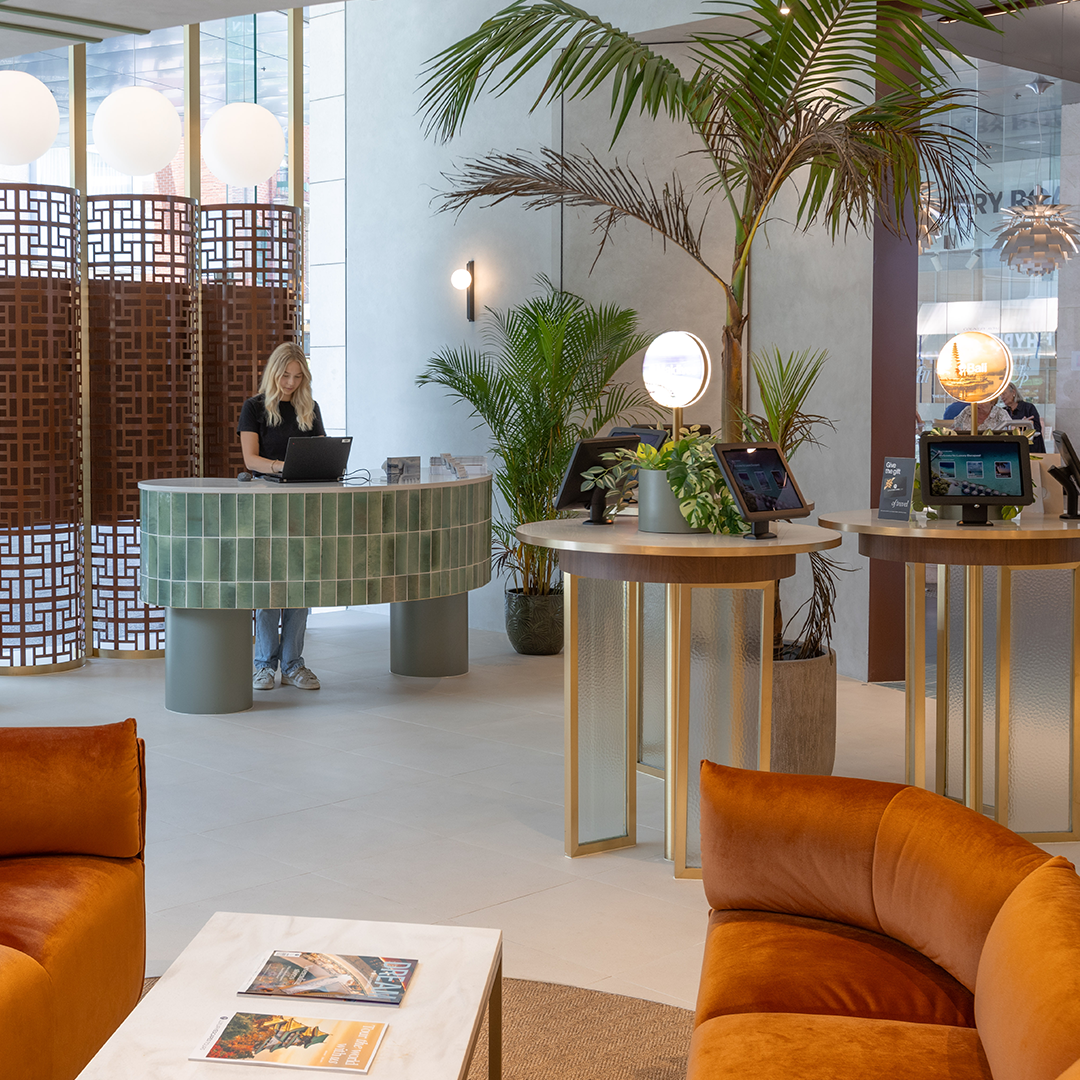
Yeah. The aim was really to, how do we make the Apple store of travel? And travel stores, I won't sort of mention specific competitors, or if you even call them competitors, but other travel stores are very homogeneous. They're generally three or four desks, and it's probably a 150 square metre space. Generally, not particularly light, non-expensive fit out. Now they're very functional, and they serve a purpose. And you go in there and sit across a desk, and it's not a bad experience by any stretch. And we certainly don't want to criticise them because a lot of our contemporaries are incredible businesses, but we thought we could create something a bit more special. And if you look at what Luxury Escapes does as a business, it generally is we want to create the world's best holidays. And that's not just from the moment you step on the plane. That's from the moment you start planning and booking. And we wanted to create that really amazing booking experience. So, you walk into a Luxury Escapes store and there's lots of green everywhere. There's calming colours. There's lots of wood. It's a really expensive fit out. It's a sort of 300 to 400 square metre space. Probably double or triple the size of even a decent sized travel store. We could have up to 15 consultants on the floor at one time. And with the way we've designed this, if a consultant's not busy, they can just jump on the phone and answer it. We've got an almost infinite number of phone calls coming in, so we knew we could overstaff the stores and allow that sort of pivoting between roles for our team, which other companies don't quite have the luxury of. So we knew we could make a bigger store than potentially we needed. We also run wholesale, weddings, corporate, all that kind of stuff from the store as well. But if you go to the store, it really looks much more like a sort of a general luxury, sort of almost luxury handbag store or luxury clothing store than it does a travel store. And each, both our Bondi and our Chaddy stores, have a really great sized bar so you can get champagne, you can get barista-made coffee, and you can get warm chocolate chip cookies in there. So and, obviously, we don't charge for that. We just give that to our customers as part of the buying experience or the travel booking experience or planning experience even. So we want to be able to have a really nice third space that people can come to. And even if you're not going to buy from us, even if you want to just sort of work out what a trip may be, you can buy from booking.com or wherever. But people tend to buy from us because our consultants are amongst the best in the world, and we've created a really nice environment to to buy in.
Kathryn House
So the store design seemed to have really been quite the differentiator. I was reading a recent article about Luxury Escapes, and it had some interesting quotes from Danny Lattouf, who's with retail consultancy, The General Store. And he said, "if you're selling dreams, your store should feel like one, that the physical space should transport you before the plane ticket does." He also said "travel is one of your top three biggest life purchases, but when you walk into most agencies, it feels like booking a dentist appointment." Luxury Escapes certainly doesn't look like a dentist office, and I've also heard that you're getting a much higher spend per customer than you do online. Can you talk us through those numbers?
Adam Schwab
I think Danny makes some really good points there. So, yeah, we really did we sort of go over the top with the in-store experience, and that was intentional. So, you spend a bit more on the fit out. I expect that we're not an Apple that spends $10 million on a fit out, so we're nothing like that. But we'd be significantly more than the average travel store fit out. And we have an amazing designer in Katie Dayman at George Berry who does an amazing job, and we sort of put her through the wringer a bit and constantly changing the designs. We've got amazing building partners. So we've got a really good team now that's put together now a bit of a blueprint for when we roll out further stores across Australia. But, yeah, we really did try and create a certain look and feel to really give our customers that holiday vibe as soon as they walk in. And it doesn't come easily. There's a lot of work that went into it and a lot of sort of thought and thinking and evolving and adjusting that goes into it. Our Sydney store, I think, has even improved it. Our Melbourne store is amazing. Our Sydney store probably helped by having a lot of natural light is, I think, even better. And I think our next store, whether it's sort of Queensland or WA or SA, where we're sort of fine tuning where we go next, I think we'll be able to step up again. So, we're just taking the learnings from each store and and trying to build it better and better each time.
Kathryn House
Because I read that your average online spend is about two grand, but in store, it's an average eight grand. That's a big difference.
Adam Schwab
Yeah. There's a bit of causation correlation there that if you're buying a $500 Crown Metropole package, then you can probably buy it online. If you're buying a complex Europe itinerary at 15 different stops, you're much more likely to want to speak to someone. So, stores do attract a certain type of, when I say certain type of customer, customer for a certain type of product. I mean, the same customer might buy online for Crown Casino. I might buy offline for that Europe trip. So, it can be the same person, but we're going to have to talk about a different customer purchase at that time. So, yeah, you're right. It does have a much, much higher basket. There is a bit of causation in that. We can also work with our customers to create a better forward trip. Maybe they would have just bought the hotel from us. Instead we can sell them everything from the flight, the lounge, the transfers, the experiences, the multiple hotels, the cruises, all that kind of stuff that you might not buy if you're just buying online or even if you're just buying on the phone because there's so much pressure on the phone to get the sale done. The customer wants to get off the phone. Our call centre is really busy. So, it's a much more relaxed environment in-store. And you sort of feel it when you go in there. There's no pressure. There's no rushing. Our team are happy to sit with you as long as you need. If you need to spend two hours booking that trip, that's fine. If you wanna come in and out in five minutes, that's fine as well. So, you don't get that mentality on a phone. And, obviously, online people are just booking themselves without the guidance and sense of a consultant, which is completely fine for lots of different products. But certain products, you probably do want or need that guidance. Because most people, even myself included, don't know about everywhere in the world. If you're going to The Stans, if you're going to Montenegro, if you're going to South America, there's a lot of things we just don't know. So, you're often better speaking to somebody who's an expert, who's been there before. If you go to the Maldives even, there's a lot of complexity in booking the right flights and booking the right resort for what you want. So, there's actually a bit of complexity there. Unless someone's been there or at least has a really great understanding of the region, the destination, you're not going to get as good a trip as you otherwise could have.
Kathryn House
So before Chadstone and Bondi Junction, you did have a pop-up store. How important was that pop-up to, you know, making you take the leap into bricks and mortar?
Adam Schwab
We actually have two pop-ups and the pop-up in Chadstone. So certainly had two, and then the third, Chadstone, we had a pop-up then permanent, but it was always going to be permanent. So really two pop-ups. And second pop-up wasn't particularly successful. First one was quite successful. I think we learned more not what not to do than what to do, but it certainly gave me confidence that there was a market there that we thought could be ripe for this. Obviously, when you're putting a couple of million bucks plus intp a fit out and signing a lease that has a $5 million-plus million obligation, you kinda wanna have some degree of confidence going into it. The pop up certainly gave us that confidence. We actually didn't think it would be anywhere near as successful as it has been, certainly in terms of Chaddy. By the time we got to Bondi, we've had Chadstone, so we sort of had a pretty good idea. But, certainly, for Chaddy, we didn't expect it to be as successful as it is. We thought, oh, I think we can cover our costs, maybe make a little bit of money, and get that brand carry. But it turns out it's actually quite a profitable store and probably, I suspect, the highest grossing travel store globally. I don't think anybody would even come close to it, in fact. I think it's possibly upwards of double the next one, and this is global, not just within Australia. Obviously, we have very few stores, so that gives us an advantage over a Flight Centre who's got 300, 250 stores. So, it's not really a fair comparison. Now their retail store network would turn over many multiples of what we do in the two. But in specific stores, Chadstone would have to be up there with if not number one, very close to, I suspect, pretty clear number one. And Bondi is probably not far off the top five ever already. So, they are really successful stores, do turn over a lot of revenue, and more importantly, provide this incredible experience for customers.
Kathryn House
Yeah. I think I was reading that Chadstone was up 50% in the past twelve months.
Adam Schwab
Yeah. If not, potentially more, actually. It just depends on the sort of what we include in that calculation. Because we also run our wholesale and corporate a bit of our corporate business there as well, our corporate events business. And that really is helpful as well. So, we're doing a heap of wholesale business every day. And if you wanna organise a wedding, we can do that for you. If you wanna organise a hen's night or a buck's day or a 50th birthday in Bali, we can do all that stuff for you and get 30, 40, 50, 100 rooms booked. And with incredible inclusions and offers that, obviously, Luxury Escapes customers are used to. So, we have a real competitive advantage in doing that stuff, so we'd love to do more, and the store is obviously a great way to start that.
Kathryn House
So why Chadstone and Bondi Junction? What made that decision for you?
Adam Schwab
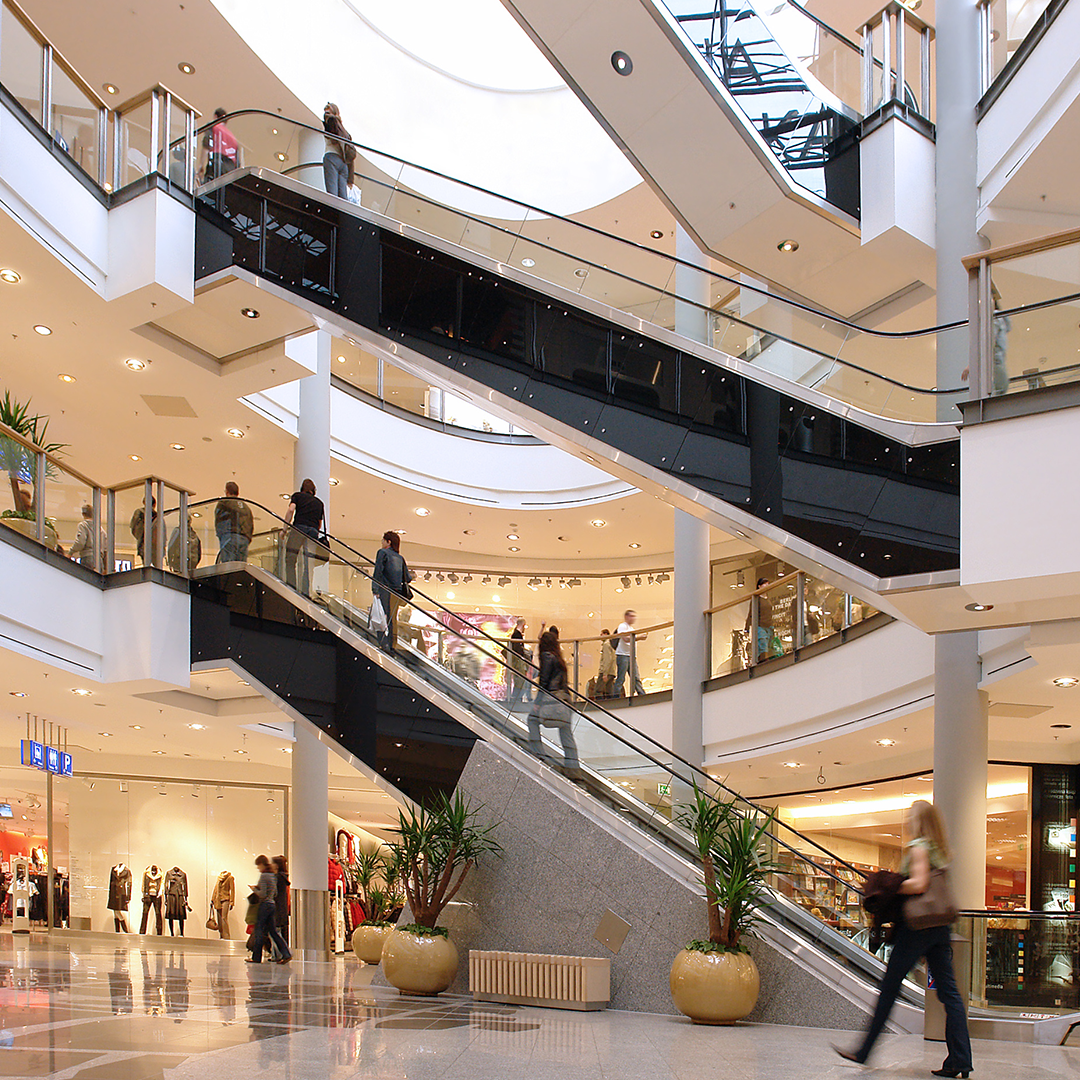
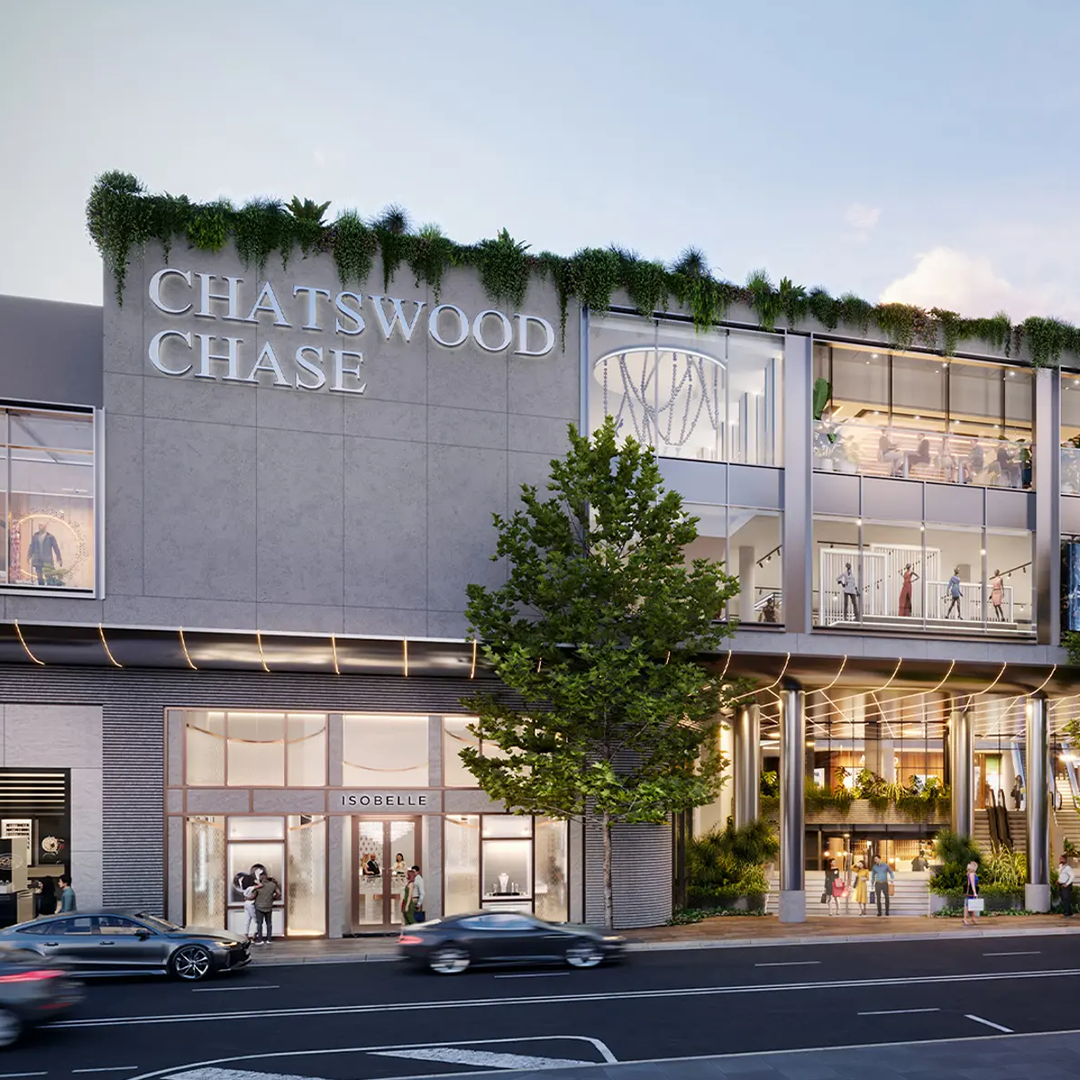
Yes. Chaddy's felt, certainly in hindsight, the obvious choice. Obviously, it's the biggest shopping centre in the Southern Hemisphere. It's clearly the number one shopping centre in Melbourne. It is demographically pretty much perfect for us. It's demographically in the centre of Melbourne. So a lot of factors in our favour. Ultimately, you jobviously don't know how it's gonna go. We looked at Doncaster. We looked at others as well, and we were really tempted by Doncaster. Obviously, slightly cheaper rent and a similar kind of clientele. But in the end, we just thought Chadstone was a better option. It was, we’d rather go our best possible option than don't die wondering rather than potentially going in as sort of an A rather than an A+ centre. And also given it was our first. Obviously, for Sydney, we were actually looking at Chatswood. They've basically completely renovated one centre and almost renovated at the other one. Had we got a good site in Chatswood, we probably would have taken there, but the sites we were being offered just weren't amazing. And the site we got at Bondi was incredible, next to Apple, across from Mecca, next to Allkinds. You're basically on street frontage, plenty of light. You actually couldn't get a better spot anywhere in the centre, we think. So that was what got us, and the Westfield team were amazing to work with. Both teams, Vicinity and Scentre are both amazing to work with, but we got a lot of support from Scentre, and they were really great. So it made the decision in the end pretty easy, and we we had a great run with the setup and the opening, and it was a really great result.
Kathryn House
And so you've talked about looking at other Australian cities. I hear you also have global domination in your sights?
Adam Schwab
Yeah. So, in terms of a business, we do have about 15 to 18% of our sales come from people outside Australia. So, we already have a non-Australian business. It is split really between mostly four or five different countries. So, New Zealand, obviously, is a big market for us. UK is, I think UK is ahead of New Zealand now. It's number two. New Zealand, number three. Then you've got US, Singapore, both really good markets. And Germany and Canada are really nicely sort of improving markets. So certainly London and Singapore are the two that we'd like to at some point go into. We think there's probably three or four more Australian stores before we get there, but who knows what transpires in the next year or two because I expect our next store definitely is Australia. After that, who knows? Like, certainly London, Manchester are really interesting markets for us, growing really quickly. The brand carry will be really helpful there. So, it's ipretty interesting, actually.
Kathryn House
So shifting to technology. From in-store augmented reality to virtual try ons, ARVR technologies, it's all coming into the retail sector recently. How much of a role does technology play in your bricks and mortar strategy, and by extension your online strategy?
Adam Schwab
Yeah. Probably not crazy amounts. Obviously, the team in the store is fully equipped with everything you need to sell. We've got, obviously, massive screens for customers and all that. So we have used ARVR in the past but found it's probably limited benefit. Actually funny, the sort of guidance and experience consultants we found is way more important than ARVR. So, yeah, we are, obviously, technology enabled, but it's really much more of a driver of our website and our app experience. Probably a bit less, those sort of stories, very much that classic offline experience. You're treated like a king. You walk in, and you've got a travel expert who's probably been to Bali or Maldives or Thailand or wherever you're gonna go. And they can give you this great expert advice. But ultimately, people wanna book online, they'll get access to our incredible suite of technology. But there is something really romantic about speaking to someone, speaking to a really smart person who understands travel, understands what you want, who's gonna ask questions and ask, try and really work out what's the perfect trip, and our team members are really consultants. They're there to build the best possible trip they can, and that's what will get people coming back. So, we really do take a long-term customer view. We're not trying to sell something because we got a high margin on it, like sort of competitors in the travel space. We really do wanna try and sell the best product. If you look at the way our website's ordered, it's ordered on margin per view. So, it doesn't mean the person is paying us the most; it means the product is converting the best. So, we really try and be guided by the customer, which is, obviously, a lot of people say they're customer centric these days because of Jeff Bezos, but we really do try and impugn the customer in everything we do. And if it's online, we're using reams of data to create this incredible experience for you. And if it's offline, so you're not really changing the experience in that sense to personalise it. I mean, you've obviously got a really smart consultant who will ask you questions and really guide you based on those answers.
Kathryn House
So, you talked earlier on about pivots and how much you've had to pivot over time. And probably one of the biggest pivots of all, and it probably seems like a long time ago, was COVID. How did you change tack at a time when, for many online travel agencies, it was a pretty disastrous time?
Adam Schwab
Yeah. It's a great question. Certainly, the first few months weren't easy. We can't rewrite history and so we cruised through it. It was till probably June, so I think March, April, May were really tough, three tough, really tough months. And by June, we were flying. And then it became sort of difficult because there were lockdowns, but, yeah, we had a great month in June. It was 2020, then they had a few tough months because of lockdowns and all that stuff. But, like, we obviously suffered a short to medium term EBITDA hit, so there's no question it hit our profitability, but it's really added to our lolong-termalue. We were able to really lean in because we were online only at the time. We had no stores. We were able to really invest for the future, whereas all the other sort of travel businesses were having to do dilutive capital raises and couldn't come back quickly enough. So, we had some really great tailwinds as well as headwinds, and we were able to take those tailwinds and really go hard for the couple of years post COVID. And we're only probably starting the last, call it, 18 to 24 months turning down on the hiring and all that sort of stuff. But we spent a couple of years being really aggressive and trying to get market share and, more importantly, trying to build an incredible product that our customers love.
Kathryn House
Yeah. It was really interesting to see people, I guess, rediscover their own backyard.
Adam Schwab
Yeah. We did a lot of domestic Australia sales during that COVID period. So, we were lucky enough that we really had a pretty strong domestic Australia business, so that's Australia to Australia. And a pretty strong US outbound business. US wasn't hit anything like Australia was hit. They were able to travel pretty much the whole time. So we were pretty lucky in that respect. So you sort of win some, you lose some. Obviously, our profitability was tough, but from a strategic perspective, it was really helpful in the long run.
Kathryn House
So staying on COVID but moving off the retail topic for a moment to something I think our property audience would be interested in, and that's some of your views on working from home. You've got offices in Australia, Britain, Spain, and the US, and I've heard you say that the shift to working from home, you believed, was a failure on every front. Is that still the view?
Adam Schwab
Yeah. Absolutely. And I think when I first said that in probably 2021, there weren't many people who agreed. Maybe a few of your listeners agreed given they own commercial property. But I think most people weren't agreeing with this view, and I think now it's like 90% of people probably agree with that. And the people who don't are self-interested because they wanna work from home or whatever, which is fine. Everybody's entitled to their own preferences. But our view is, for the team members, for getting us, but for team members, it's infinitely better being in the office. And, if you're 25 and trying to learn, you can't learn in front of a computer screen when your boss is in a different place. So, it just creates a different vibe. There's no collaboration. You're not, you know, you don't see half the people you're working with otherwise. So, what I think is the worst is sort of that sort of two or three days. I think you've either gotta take the view that everybody's in the office, or if you wanna be a fully remote team, whatever, be that. There's not many businesses can make that work, but some can. But I think that sort of two- or three-day hybrid is just messy when half the people are in, half people aren't. You don't know if people are gonna be in. They've got seating issues. It's just, for the sake of saving a few dollars on rent, which is usually a pretty small part of your OpEx, it just to me, it makes no sense to destroy the employee experience. And I think there's a bit of a carrot and stick. We do daily lunches in both our offices. Gonna start trialing daily dinners in Sydney, we're looking at getting a hairdresser in. Like, we think you gotta invest in the office as well. You can't just sort of have seventies-style cubicles and hope people come back in. Our offices are both beautiful environments. We invested again a lot in the fit out of the offices, like, same people who did our stores, did the offices. So, we've got an incredible level of fit out that really feels a bit like old school WeWork, design wise. Forget business model wise, design wise. So, we wanna make sure the office is a beautiful place to come to. And look, Scott Galloway says the thing that keeps people in their jobs more than anything is having one friend at work. Really hard to have a friend at work if you're working by yourself at home. So that's a really big focus for us. Part of the focus of lunches is to cross collaborate and meet people you otherwise wouldn't meet because you're sitting next to them at lunch table. And whether you're the CEO, whether you're the first day in the office, everybody's equal in the lunch line. So, we've been more convinced in our view. We see our turnover's dropped to basically pre-COVID level. In fact, the turnover is almost too low now. So, we'd rather, we almost wanna have a degree of turnover, and you get to the point where you have too little. So that's a different sort of problem, but certainly a much better problem than the reverse, which is to have people leaving. And when we do the numbers, we saw you had a 50% higher likelihood of leaving the business if you work remotely. And we think that's just because you’ve got no connection to your colleagues and to the business. So, the data's been really clear. Our team's been really clear. I'm sure there's no doubt there's a person or two here that doesn't wanna come in, but I think virtually everybody when we interview somebody, we tell them, because we're an in-office environment. If that's not for you, maybe there's other places that might be better for you to work. So we're really upfront and honest about it. Because it's been really a four-year cycle since we've been back in some degree in the office, almost everybody either wants to work, so legacy team members and wanna work in the office anyway, or they sort of, from day zero, know that this is how it is. So, probably wanna work in this environment. So you kinda build the environment and build the team that you want. If you wanna work from home, there's plenty of places that can offer that. If businesses wanna do that, I'm not gonna tell anybody else how to run that. I'm always surprised by the vitriol directed at me or us. I think if somebody wants to work from home, they can work from home. It's not my business. Just the anger that gets directed, and clearly, it's people are worried that some sort of gravy train or rort's gonna get sort of used up by everyone, and that if people see what we do and that it's working, that they're easy sort of six hours a day at home, no commuting, might get disrupted, and they don't like it. But that's sort of not how we wanna operate. We wanna pay the best for the best people who wanna be in person, and that's sort of how we wanna operate. And, really, it's a customer-centric mentality. We want our customers to be served really well. We've got people in stores who can't be working from home. We got people on the on the road who can't be working from home. We just think it's a much fairer way to do it.
Kathryn House
Yeah. That level of vitriol, I completely get what you're saying. Whenever we put out a research report which talks about office occupancy rates and it might get covered in a newspaper. And the comments on the stories, it's like, I think we got compared to being the devil in one comment for talking about office occupancy and return to office. So that vitriol is really interesting.
Adam Schwab
I think it's a pretty small subset of people who are just really vocal. There's other topics that you get a similar sort of vocal minority on. I think we've seen in the last few years the rise of the silent majority, and it still is a very vocal minority, and they'll push their own agenda. And I said, I have no issue with people wanting to work from home, not for us, but if you wanna work from home for our competitor, that's fantastic because it means we'll have a competitive advantage and it'll make our business even stronger. We've had, sort of the last three or four years since we've been five days a week, we've had the best performance the business has had in its history. So, it's hard to sort of correlate these two things necessarily, but certainly, if you're trying to find a pattern, we've performed better than ever being back in the office. Our team's better than ever. We've got an incredible team both in Sydney and Melbourne and Gold Coast and London and we're in Barcelona, and that's within an in office environment. Our tech team is literally the best in the country. We're getting people out of Atlassian who is famous for that work everywhere policy. Well find it turns out people actually don't wanna work from everywhere. People wanna work with other people. Not everybody, but a lot of people do, and we wanna get the best people. And it feels like the kind of people who do wanna work collaboratively. So, our team is so good now, and you hear people saying, oh, you won't get good people unless you let them work from home. Our experience has been the complete opposite.
Kathryn House
So on a personal note, you're no stranger to podcasts yourself. In fact, you co-host your own, The Contrarians. How do you squeeze so much into your day balancing business, family, and personal interests?
Adam Schwab
I think we're just pretty efficient with how Adir and I use our time. So our pod, we don't spend hours and hours planning. I do a bit of planning. We've got a pretty good level of background knowledge. Adir especially just knows a lot about a lot of business stuff. So he can take his sort of years of learned wisdom and bring it, and we've got an incredible listener base, like yourself, a really sophisticated listener base, that likes to be treated seriously. And I'm not sure there are that many business podcasts in Australia that really respect our audience like we do. So, it's great fun. In terms of sort of day to day, I just try and be as efficient as possible. I got a couple of youngish kids and, fortunately, got a wife who's incredible at doing all that stuff with them as well. So, I'm not super helpful all the time but try and do as much as I can. But, yeah, I think we've also got an amazing team here. So, it's different to when you're a start up with five people and you're doing every role. Now I've got 630 people and just a phenomenal team that means I don't have to be on the tools all day every day. I'll be doing as much as I can and helping where I can, but I'm much less, like, much less required these days than I used to be.
Kathryn House
So, a couple of quick questions to close us out. Given you do work for a travel company, or I should say own a travel company, what's your favourite holiday destination when you do get some downtime?
Adam Schwab
I love going skiing, but taking that aside, probably Maldives in terms of sort of tropical destinations. It's just, it's one of the few place son Earth that's actually better in real life than in the photos. People think, oh, it can't be that good. Well, it's actually better. The food's amazing. The weather's amazing. The snorkeling and diving's amazing. The people are fantastic. Everything about it's incredible. The calibre of accommodation is next level. So I love Maldives. We also happen to have a direct Melbourne to Male flight, only one in Australia, so that's a little bit biased. But even without that, it is an amazing destination. And value for money wise, yeah, it's not a cheap destination. You're up for sort of a thousand bucks a night, generally, minimum. You get some cheaper places, but a thousand bucks a night. But what you get for that thousand bucks a night like, you pay a thousand dollars a night in Australia, and you don't get that much. You pay a thousand dollars a night in Maldives you're getting all-inclusive French champagne, incredible Michelin star calibre dining. It is pretty amazing. So, value for money wise, it's one of the best I've experienced.
Kathryn House
And what do you think is one of the keys to business success?
Adam Schwab
I don't know. I think being lucky is probably really important. I mean, we've been in the right place at the right time so many times. Like I talked about all those pivots, like, Jez and I just have ridden this wave of luck from going to the right school, from meeting each other, from being lucky enough to go to uni and get a law degree and all that stuff and have a great family who's super supportive. So, I think we've had a great run. I think often the difference between success and values is being the right place at the right time and having a lot of luck along the way. Yeah, we worked reasonably hard in the early days, but so did lots of people. I'm not sure that's sort of definitive. We just kinda fell into it, and we fell into that first business, second one, third one. And even the way we got to Luxury Escapes, that was super lucky as well. We kinda just, we'd never stayed in a five-star hotel before we started this business called Luxury Escapes. So, we're a sort of story filled with serendipity, so I'm not sure there's anything we give specifically that's particularly like, inspirational, just sort of making the most of our chances when they came, but that's a sort of right place, right time.
Kathryn House
Yeah. Serendipity. I love it. And one last question. What's next for Luxury Escapes? What can we expect?
Adam Schwab
I think we're gonna keep getting better. Like, we've done a lot of different stuff in the last probably six years since COVID. So, we've sort of built a marketplace for accommodation, built more tours, built our cruise platform, built a loyalty platform, built a subscription platform, and a heap of back-end stuff just to make the experience a lot better. So, we're constantly building. We've got an incredible development team I've talked about before, and we've got amazing product management. We're just trying to work out how do we create, we think we've got the best travel buying experience in the world. We just wanna keep getting better, though. We've got the best, one of the best loyalty programs, so we're gonna keep making it better. We don't wanna be a day two business. We wanna constantly be a day one business like Jeff Bezos says, and how can we keep making the customer experience better every day?
Kathryn House
Well, thank you so much for joining Talking Property. I'm feeling very inspired now to book my next holiday, probably to the Maldives, and I might just have to do it in store.
Adam Schwab
Thanks, Kath. Great to chat.
Kathryn House
To our listeners, I hope you enjoyed this episode of Talking Property. I'll also include a link in the show notes to CBRE's recent Regional Shopping Centres Reimagined report, which shows how landlords are amping up the customer experience to ensure shoppers stay longer and spend more. If you don't already subscribe to Talking Property, make sure you do so wherever you get your podcasts. And we'd love for you to rate or review the show, which will help other people find us. Until next time.