Capital Edge
Business Insights | Australia’s Apartment Squeeze Set to Deepen as Vacancy Rates Hit New Lows
Australia’s apartment market is set for another period of rental growth as demand continues to outpace supply. CBRE forecasts vacancies will tighten to 1.1% by 2030, creating a supportive environment for investors, developers and the broader living sector.
September 29, 2026

Explore the full report
Click HereCBRE forecasts median apartment rents across 53 capital city precincts will increase by 27% between 2025 and 2030, while apartment values are expected to rise by 28% over the same period. The strongest price growth is anticipated in 2026 and 2027, as markets adjust to a prolonged supply-demand imbalance.
Supply Falls Short of Demand
Australia’s housing shortage remains the dominant theme shaping the residential market outlook.CBRE forecasts apartment completions will average around 60,000 dwellings per annum between 2026 and 2030, well below the estimated 75,000 apartments required each year to prevent further tightening in rental conditions. As a result, capital city vacancy rates are expected to decline from 1.8% in 2025 to just 1.1% by 2030, around half the average recorded over the previous decade.
The imbalance is particularly evident in the eastern seaboard markets. Sydney is expected to deliver approximately 12,300 apartments annually over the next five years against housing demand of around 27,000 dwellings per year. Melbourne faces a similar challenge, with apartment completions forecast to average 8,200 dwellings annually despite demand for almost 39,500 homes each year. Brisbane's pipeline remains even tighter, with demand forecast to nearly triple anticipated apartment delivery.
For renters, the implications are clear. By 2030, more than 80% of two-bedroom apartments across Australia's capital cities are expected to command weekly rents above $700, with more than one-third exceeding $1,000 per week.
Demand Receives a Triple Boost
While supply remains constrained, demand fundamentals are strengthening.CBRE identifies a "triple boost" underpinning residential demand over the next decade: population growth, employment expansion and rising household incomes. Australia's population is forecast to reach 32 million by 2035, employment is expected to grow to 17.6 million workers, and average annual incomes are projected to increase from approximately $105,000 to $144,000. Together, these factors could inject around $1 trillion of additional income into the economy, supporting housing consumption and investment.
This backdrop is expected to sustain both rental demand and owner-occupier activity, even as affordability remains a key consideration.
Values Begin to Catch Up
Another factor supporting the outlook is the growing disconnect between construction costs and apartment values.Residential construction costs increased significantly between 2020 and 2025, outpacing growth in apartment prices and limiting the feasibility of many development projects. While this has restricted new supply, it has also increased the value of existing stock. CBRE expects apartment prices to increasingly reflect replacement costs as market conditions tighten and development economics rebalance.
Newer apartments are already demonstrating this trend. Across Sydney, recently completed two-bedroom apartments are achieving approximately 30% higher sale prices than older stock, while rental premiums of between 20% and 35% are common in many suburbs. Similar, although less pronounced, premiums are evident across Melbourne.
Opportunities in High-Growth Markets
Looking ahead, CBRE is particularly optimistic about apartment market performance in Brisbane, the Gold Coast, Perth and Sydney. These markets are expected to benefit from a combination of strong population growth, limited new supply and improving rental fundamentals. On a total return basis, Perth and the Gold Coast are forecast to outperform most capital city peers through the remainder of the decade.For investors, the message is increasingly clear: Australia's apartment sector is entering a new growth phase, underpinned by structural housing undersupply and some of the strongest long-term demand drivers seen in decades.
Explore More Insights from Capital Edge
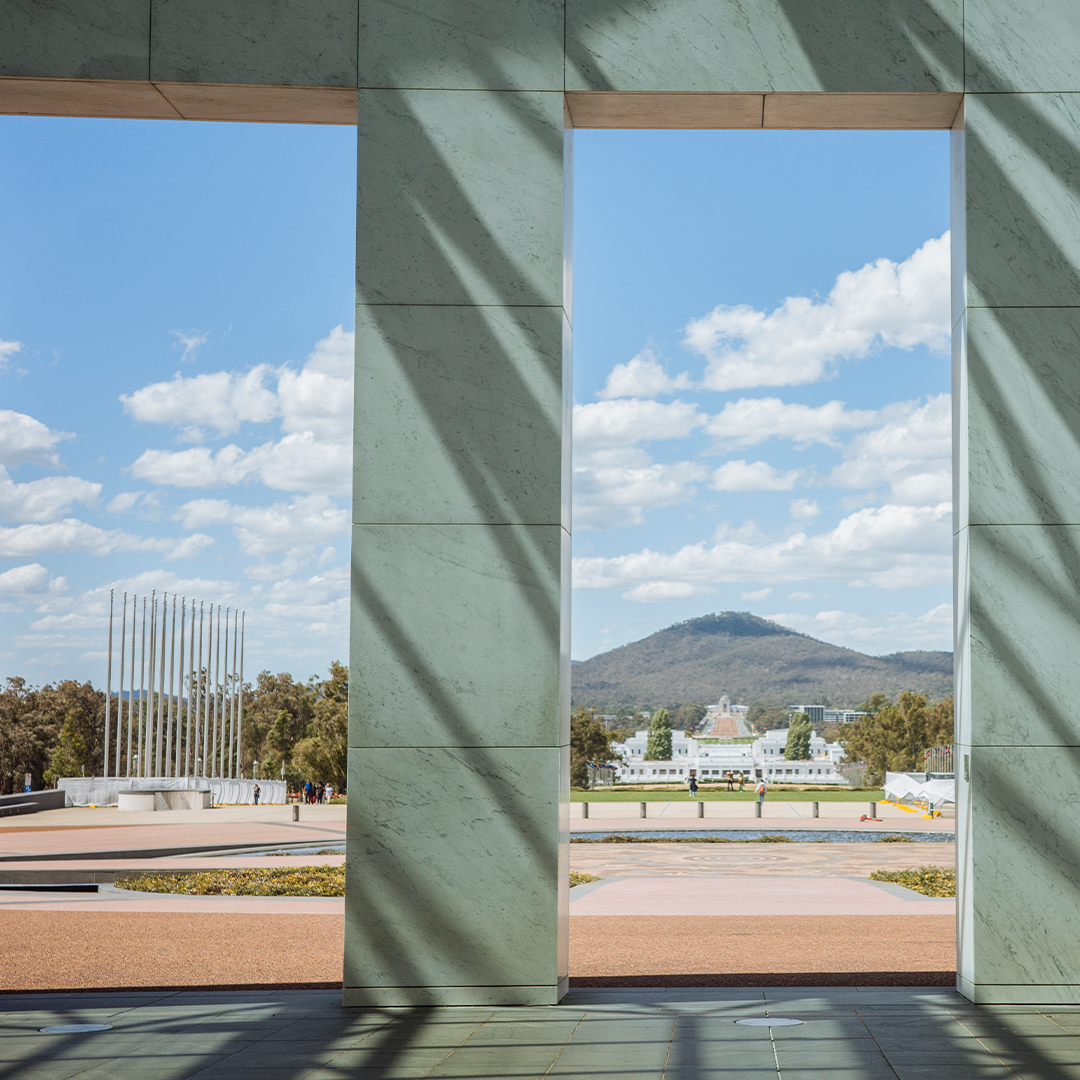
Debt has re-emerged as a key market driver, with higher borrowing costs shaping investment decisions, transaction activity and refinancing strategies.
- Article | Capital Edge
Business Insights | Looking Beyond the Noise: What Student Policy Changes Really Mean for PBSA
October 6, 2026

New student visa policies are making headlines, but the data suggests demand for Australian PBSA remains resilient

We modelled what stronger international tourism growth could mean for Australian hotel performance through to 2030.
- Article | Capital Edge
Business Insights | Luxury Hotels Are Setting the Pace for ANZ Hospitality Investment
September 29, 2026

Luxury hotels are outperforming the broader market as strong demand, rising room rates and limited future supply support investment appeal.
- Article | Capital Edge
Business Insights | Trading Below the Cost to Replace: Why Australia's Office Market Faces a Supply Crunch
October 6, 2026
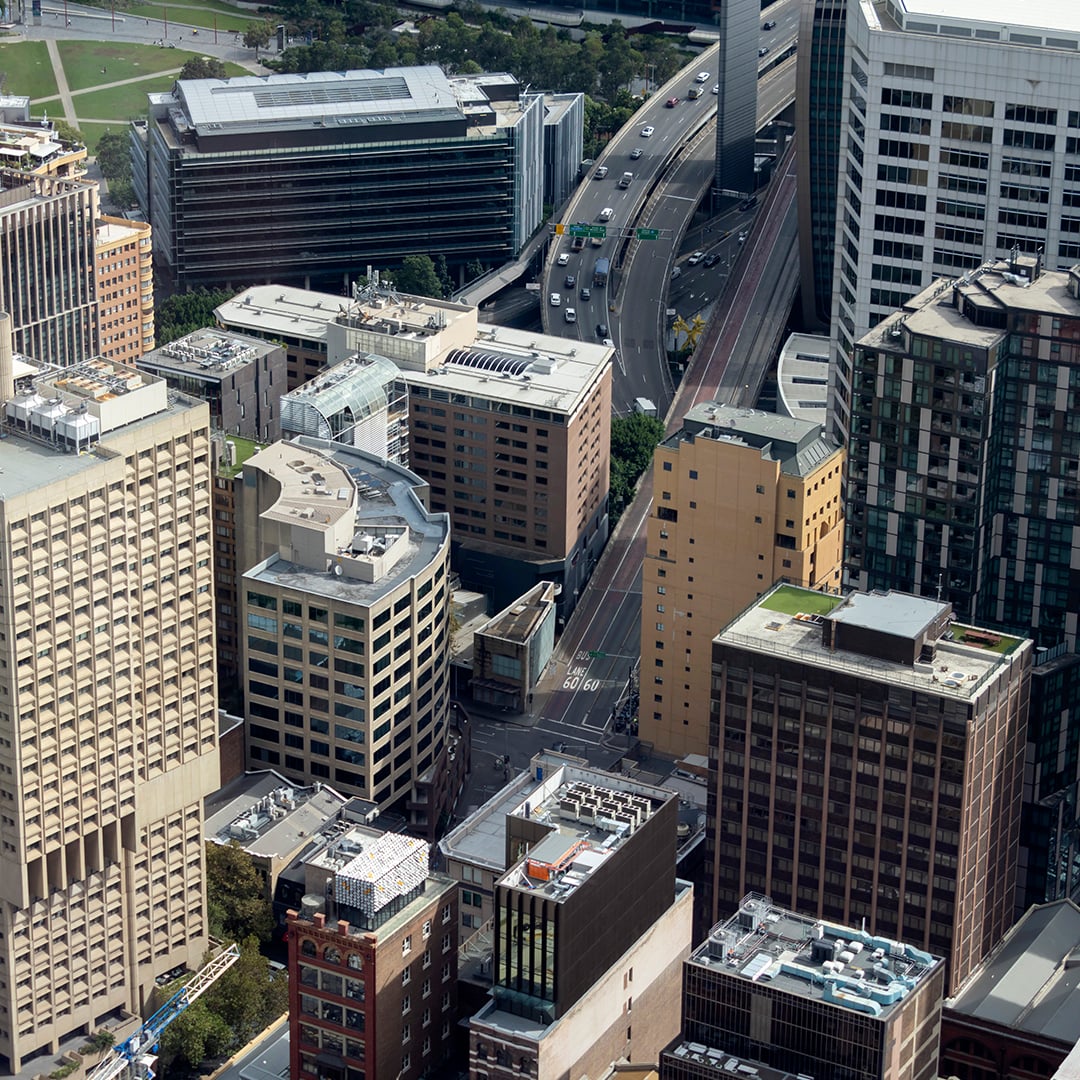
Australian prime CBD office assets are trading well below replacement cost, creating a compelling investment backdrop amid constrained future supply.

Explore three major hotel investment opportunities and transactions driving confidence in Australia's hospitality sector.
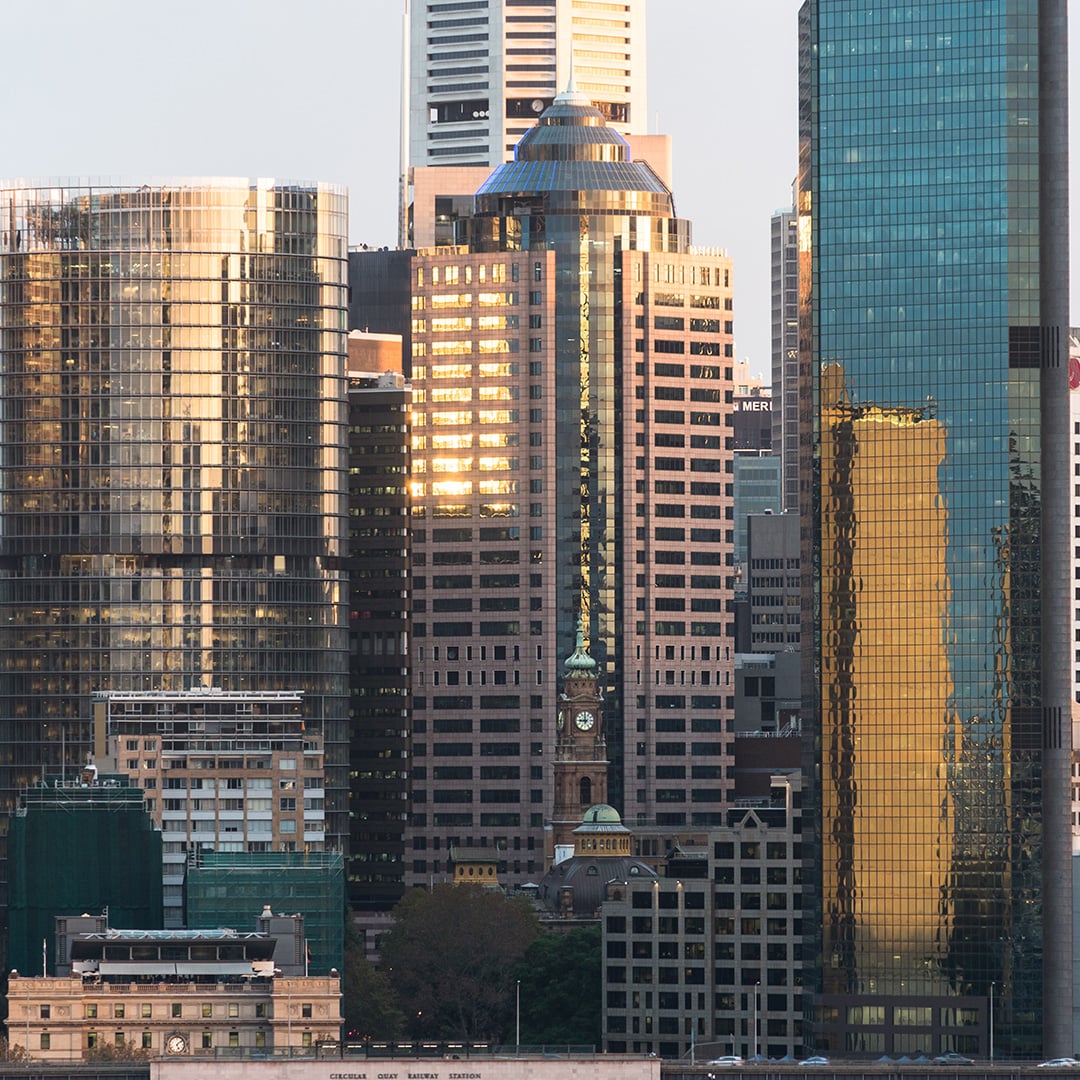
Two major office opportunities highlight investment activity across Sydney and Brisbane, spanning a $715m portfolio sale and a Prime CBD asset.
A look at the transactions, financing solutions and development opportunities driving growth across Australia's Living sector.

After seven years advising investors across Hong Kong, Singapore and Sydney, Hugh Thomson reflects on the deals, relationships and capital trends influencing re...
Read the Latest From Capital Edge
In each issue we bring you critical insights, data points, trends, and transactions to help you stay ahead of the curve in the evolving world of Capital Markets.