Capital Edge
Business Insights | 5 Questions for Hugh Thomson
After seven years advising investors across Hong Kong, Singapore and Sydney, Hugh Thomson reflects on the deals, relationships and capital trends influencing real estate markets today.
September 29, 2026
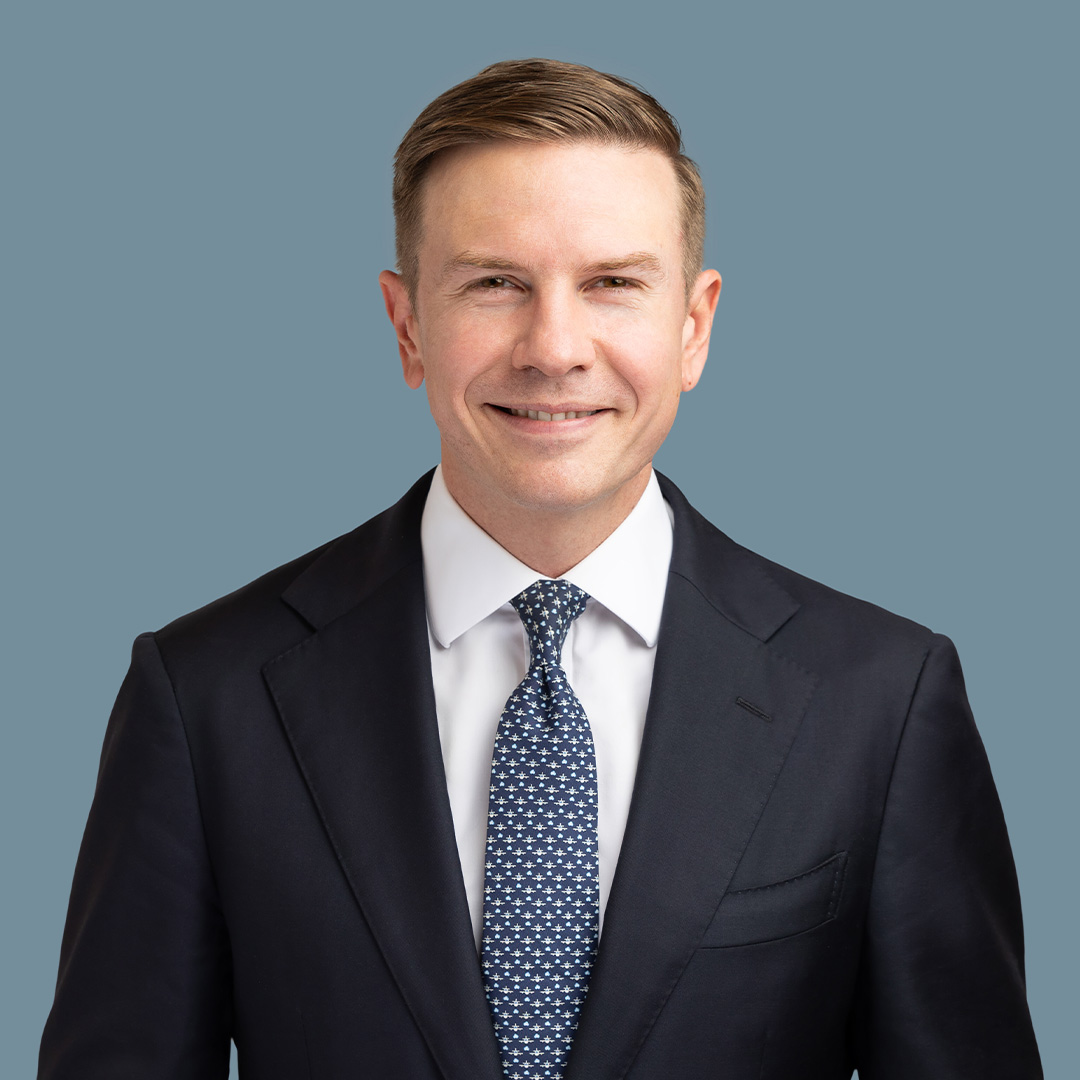
What professional achievement are you most proud of, and why does it stand out?
I’ve been fortunate over my seven years at CBRE to work across Hong Kong, Singapore and Sydney, advising on both inbound and outbound capital transactions.Two deals stand out in particular. The first was the sale and leaseback of a cold storage asset in Hong Kong on behalf of an offshore vendor, completed at a time when this type of transaction was incredibly rare. The second was a capital raise for a Sydney office asset, where we helped establish a new relationship between an Australian fund manager and Samsung SRA in Korea, creating a new source of capital for the manager.
Why CBRE? What sets it apart for you, both personally and professionally?
What has kept me at CBRE is the scale of the business, the strength of its leadership and the culture of accountability. Leaders genuinely back their people and encourage them to take opportunities and grow. As someone who works across borders, having teams in different countries aligned around shared goals makes a huge difference and is a real point of difference for the business.Why Capital Advisory?
For me, this is the most exciting part of real estate markets. Capital formation is the fundamental driver of any transaction across the risk spectrum, but it is incredibly nuanced. The need for capital ranges from small single transactions all the way through to the largest platform deals and, across that spectrum, we work with private wealth, pension funds, insurance companies, sovereign wealth funds and everything in between. The appetite of these capital sources changes regularly, which makes for a dynamic market. In Capital Advisory, we are sector agnostic and can take a view on how this capital appetite is changing to inform where we focus our time.Looking back, what is the most valuable advice you'd give someone starting in the industry today?
Be inquisitive and get into the detail. For me, there was always a strong desire to understand who was doing deals and, more importantly, why they were doing them. Having a broader view of why capital is favouring particular sectors or geographies helps you understand how Australian deals fit into the bigger picture. Once you have that foundation, you can better tailor your pitch and identify the right sources of capital. At the end of the day, our clients rely on us as trusted advisors, and being across the detail is what drives better outcomes.What’s on your radar for the next 6-12months in Capital Advisory?
We’re currently assessing opportunities across industrial, retail and credit, but what excites me most is building new workstreams for Capital Advisors in Australia. One example is our work with the Agribusiness team to develop an investment banking offering for agri fund managers across Australia and New Zealand, something we’ve started this year and hope will gain momentum in 2027.I’m also excited by the opportunities emerging in the secondary market. As market conditions evolve over the next 12 months, there is strong potential to help investors unlock liquidity by trading fund positions, both domestically and globally.
Get in Touch
Explore More Insights from Capital Edge
- Article | Capital Edge
Business Insights | Australia’s Apartment Squeeze Set to Deepen as Vacancy Rates Hit New Lows
September 29, 2026

CBRE forecasts apartment rents will rise 24% by 2030 as supply shortages drive vacancy rates to record lows across Australia.
- Article | Capital Edge
Business Insights | Looking Beyond the Noise: What Student Policy Changes Really Mean for PBSA
October 6, 2026

New student visa policies are making headlines, but the data suggests demand for Australian PBSA remains resilient

Debt has re-emerged as a key market driver, with higher borrowing costs shaping investment decisions, transaction activity and refinancing strategies.

We modelled what stronger international tourism growth could mean for Australian hotel performance through to 2030.
- Article | Capital Edge
Business Insights | Luxury Hotels Are Setting the Pace for ANZ Hospitality Investment
September 29, 2026

Luxury hotels are outperforming the broader market as strong demand, rising room rates and limited future supply support investment appeal.

Explore three major hotel investment opportunities and transactions driving confidence in Australia's hospitality sector.
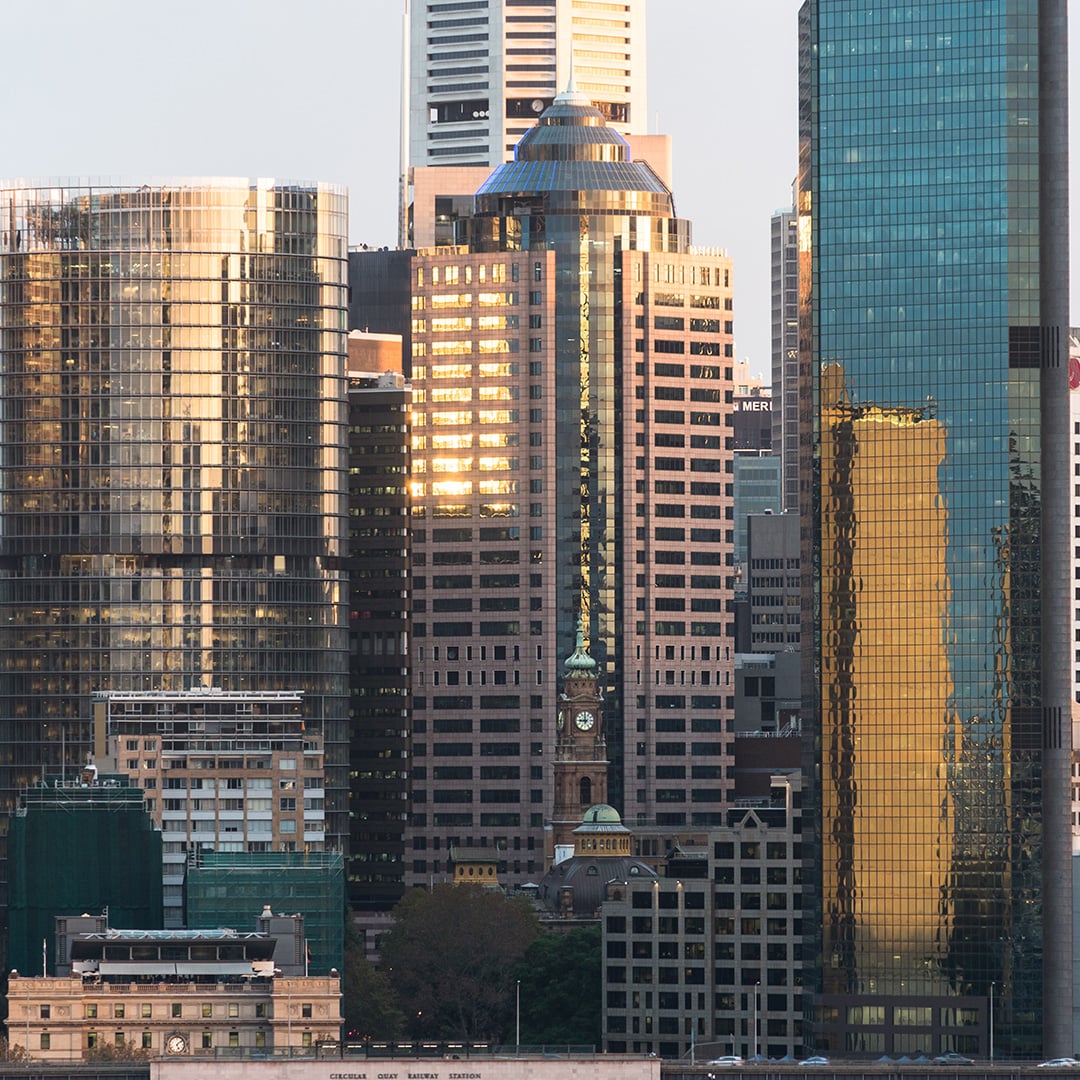
Two major office opportunities highlight investment activity across Sydney and Brisbane, spanning a $715m portfolio sale and a Prime CBD asset.

A look at the transactions, financing solutions and development opportunities driving growth across Australia's Living sector.
- Article | Capital Edge
Business Insights | Trading Below the Cost to Replace: Why Australia's Office Market Faces a Supply Crunch
October 6, 2026
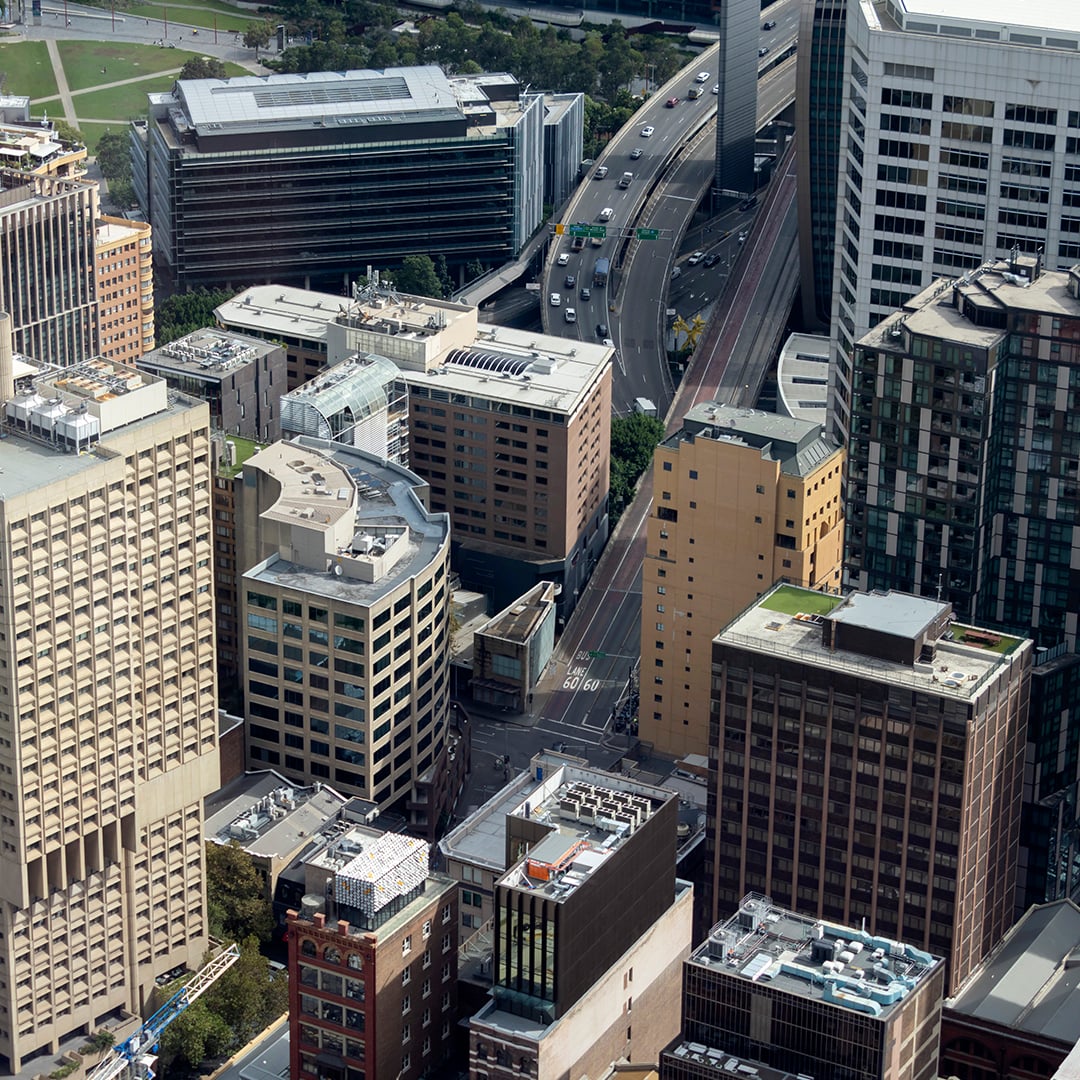
Australian prime CBD office assets are trading well below replacement cost, creating a compelling investment backdrop amid constrained future supply.
Read the Latest From Capital Edge
In each issue we bring you critical insights, data points, trends, and transactions to help you stay ahead of the curve in the evolving world of Capital Markets.