Capital Edge
Business Insights | Property Spotlights From Hotels
Three landmark hotel transactions highlight the strength of Australia's accommodation sector, with investors targeting assets that combine prime locations, operational performance and long-term growth opportunities across Sydney and Newcastle.
September 30, 2026
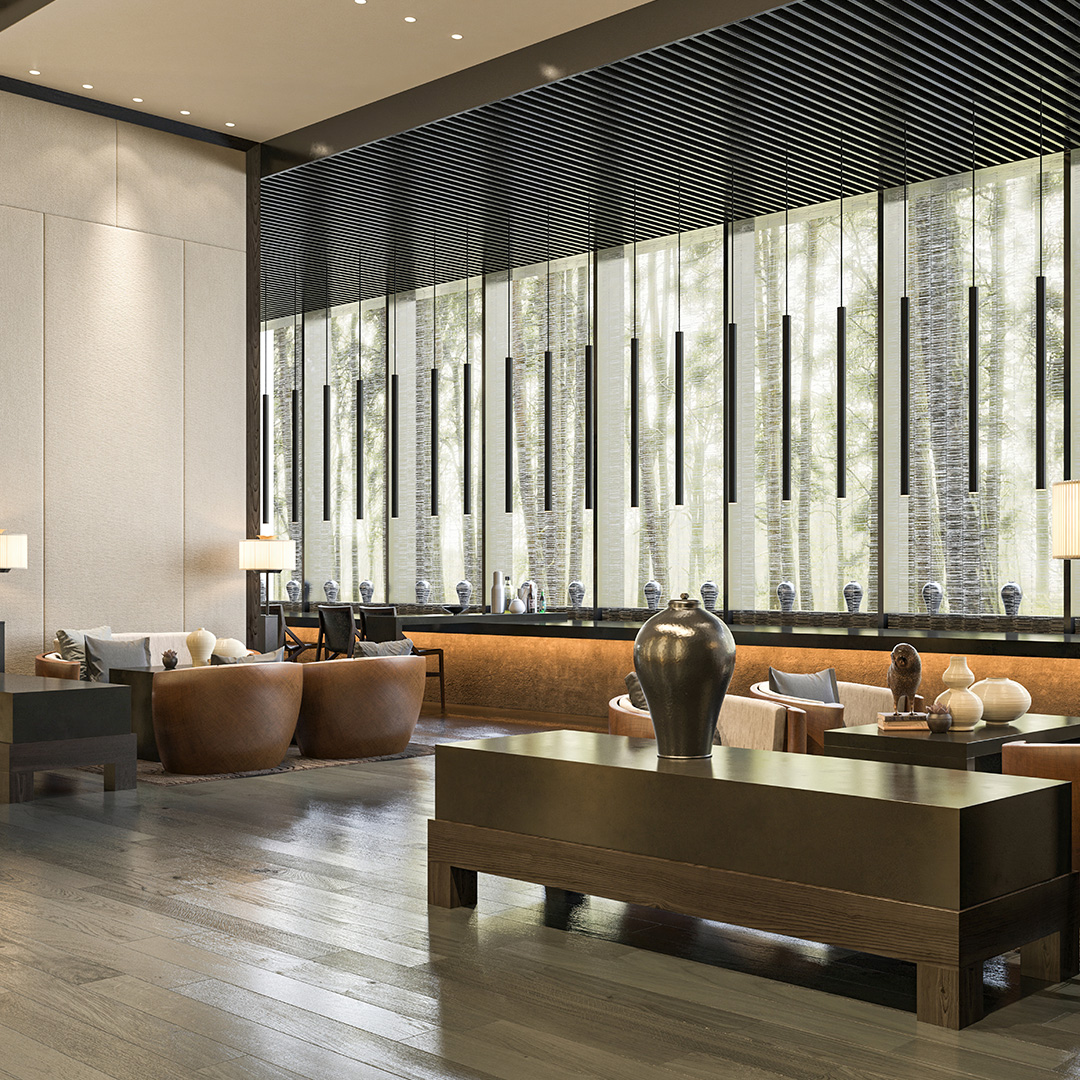
A $390 Million Vote of Confidence in Sydney's Hotel Market
Associated Contact
Head of Hotels – Capital Markets, Pacific

Associated Contact
Manager, Capital Markets - Hotels, Sydney

Associated Contact
Director, Capital Markets - Hotels, Sydney

100 Murray Street, Darling Harbour (Pyrmont), Sydney NSW 2000
The sale of the Novotel Sydney Darling Harbour and ibis Sydney Darling Harbour is more than a headline-grabbing transaction. At $390 million, it represents Sydney's largest trading hotel sale in four years and highlights the growing appetite for large-scale hospitality assets in Australia's gateway cities.
While hotel investment activity has remained selective in recent years, investor demand for high-quality assets with strong fundamentals continues to deepen. The Darling Harbour transaction demonstrates that when scale, location and long-term upside align, capital is willing to move decisively.
Acquired by Wentworth Capital Wentworth Real Estate Private Equity Fund I in partnership with Sun Hung Kai & Co. and Mulpha Australia, the two adjoining hotels comprise 781 rooms in one of Australia's most visited tourism and business precincts. Importantly, they offer investors exposure to multiple demand drivers, spanning international tourism, domestic leisure travel, major events and corporate activity.
Why Investors Are Chasing Scale
Institutional-quality hotel assets remain tightly held, particularly in Sydney. Opportunities to acquire assets of this size and prominence are rare, creating strong competition whenever they come to market.
For investors, large-format hotels provide an attractive combination of immediate cashflow and long-term asset management opportunities. Beyond operational performance, there is increasing focus on the ability to unlock additional value through refurbishment, repositioning or future redevelopment potential.
The result is a growing divide between prime assets and the broader market. Well-located properties with proven earnings and strategic positioning are continuing to attract both domestic and offshore capital, particularly when supported by favourable tourism and infrastructure trends.
The Power of the Darling Harbour Precinct
The appeal of the acquisition extends well beyond the hotels themselves.
Darling Harbour has undergone a significant transformation over the past decade, evolving into one of Sydney's most dynamic mixed-use precincts. Major developments including Darling Square, the International Convention Centre Sydney and the ongoing Harbourside redevelopment have fundamentally strengthened the area's appeal to visitors, residents and businesses.
The precinct's unique mix of leisure attractions, entertainment, dining and convention infrastructure creates a diversified demand profile that few locations can replicate. Looking ahead, continued investment in transport connectivity and surrounding amenity is expected to further enhance its position as a key destination within Sydney.
For hotel owners, that translates into a broader and more resilient customer base, supporting performance across a range of market conditions.
A Long-Term Play on Australian Tourism
The transaction also reflects growing confidence in the long-term outlook for Australia's tourism sector.
Sydney remains the country's premier accommodation market, benefiting from its status as an international gateway city and a leading destination for business events, conferences and leisure travel. As visitation continues to recover and grow, investors are increasingly focused on securing assets capable of benefiting from these structural trends over the coming decade.
For Mulpha Australia, the acquisition builds on an already substantial hospitality portfolio and reinforces a strategy centred on high-quality assets where active ownership and operational expertise can create long-term value.
Looking Beyond the Transaction
While the size of the deal has captured market attention, its broader significance lies in what it signals for the sector.
Investors are not simply chasing hotels. They are pursuing well-located assets with strong income profiles, strategic positioning and clear pathways for future growth.
The Novotel and ibis Darling Harbour acquisition demonstrates that confidence in Australia's hotel sector remains strong, particularly for assets that combine scale, location and long-term potential. As capital continues to seek quality opportunities, transactions of this nature may offer an early indication of renewed momentum across the country's hotel investment market.
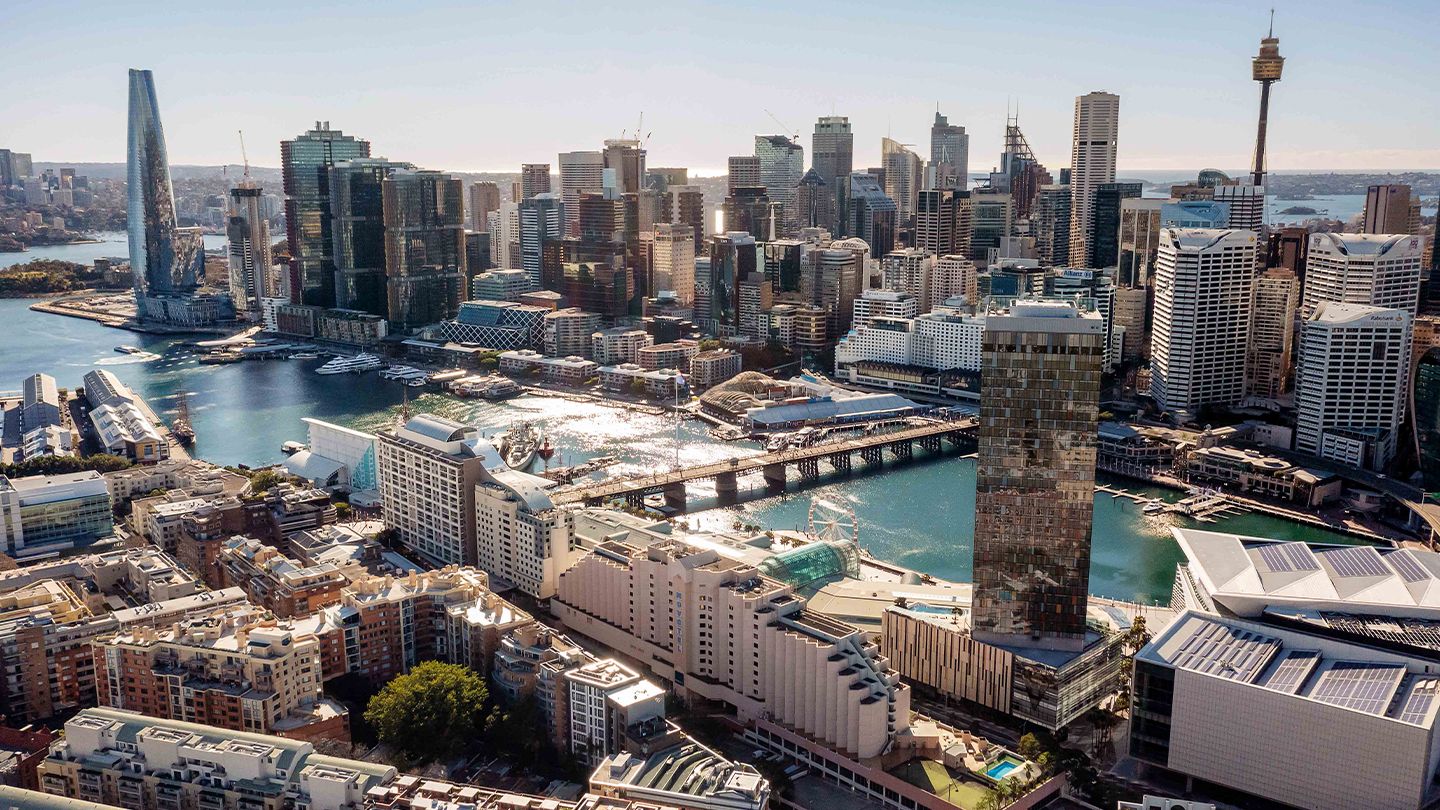
Newcastle's next chapter creates opportunity beyond traditional hotel investment
Associated Contact
Head of Hotels – Capital Markets, Pacific
Associated Contact
Manager, Capital Markets - Hotels, Sydney
Associated Contact
Director, Capital Markets - Hotels, Sydney
Corner King Street & Steel Street, Newcastle NSW
As capital continues to seek opportunities beyond Australia's major CBDs, investors are increasingly drawn to assets that combine immediate cash flow with future optionality. Newcastle, one of the country's fastest-evolving regional cities, has become a focal point for this trend, underpinned by major infrastructure investment, population growth and continued urban renewal.
Against this backdrop, Mercure Newcastle presents a rare opportunity to secure an established hotel asset while gaining exposure to a substantial future redevelopment outcome.
Occupying a prominent 4,414sqm freehold site at the western edge of the Newcastle CBD, the property sits within a precinct experiencing significant transformation as residential, commercial and mixed-use projects continue to reshape the city centre.
A strengthening market backed by long-term fundamentals
Newcastle's investment story has evolved significantly over the past decade.The city is increasingly recognised as a diversified economic centre supported by education, healthcare, professional services and tourism, while public and private investment continues to drive regeneration across key precincts. This transformation has underpinned strong visitation levels and resilient accommodation demand, creating favourable conditions for hotel assets.
Importantly, demand growth has occurred against a backdrop of relatively limited new hotel supply, supporting ongoing investor interest in well-located accommodation assets.
Mercure Newcastle is well positioned to benefit from these market dynamics.
The hotel comprises 131 guest rooms supported by a comprehensive amenity offering, including the popular Distrikt Press Café & Bar, seven flexible meeting and event spaces, a swimming pool and extensive on-site parking. The asset caters to both leisure and corporate travellers, providing exposure to multiple demand sources within the Newcastle market.
The current ownership has also undertaken more than $4 million in capital expenditure since 2023, strengthening the asset's operational appeal and positioning for future performance.
Development potential adds a second dimension
While the operational fundamentals are compelling, the property's development upside is what distinguishes it from many hotel investment opportunities currently available to market.The owner has secured Stage 1 development approval for a masterplan redevelopment of the site, creating a pathway for a significant residential project within the Newcastle CBD.
The approved concept proposes 228 apartments across two towers, together with associated retail and car parking.
For developers, the approval provides a valuable head start in a market where large-scale CBD development opportunities are increasingly difficult to source. For investors, it introduces a second layer of value creation beyond traditional hotel ownership.
As housing supply and urban densification remain key themes across Australia's major regional centres, well-located development sites with planning momentum continue to attract strong interest from both domestic and offshore capital.
Flexibility for multiple investment strategies
One of the defining features of the opportunity is its ability to appeal to a broad range of buyer groups.Hotel investors can acquire an established accommodation asset in a market benefiting from positive long-term fundamentals.
Developers have the ability to evaluate and stage a future residential project while benefiting from existing income generated by the hotel operation.
Owner-operators, meanwhile, can capitalise on the availability of vacant possession upon sale, providing flexibility to reposition, rebrand or operate the asset in line with their own strategic objectives.
At a time when capital is increasingly seeking optionality, opportunities capable of supporting multiple investment pathways remain highly sought after.
Where income meets future potential
Investment assets are typically valued for a single defining characteristic, whether that's income, location or development upside.Mercure Newcastle offers a combination of all three.
The property provides immediate operational cash flow, occupies a substantial freehold landholding within a regenerating CBD precinct and benefits from an approved redevelopment vision capable of unlocking significant future value.
As Newcastle continues its transformation into one of Australia's leading regional investment destinations, opportunities that provide both income today and flexibility for tomorrow are becoming increasingly scarce.
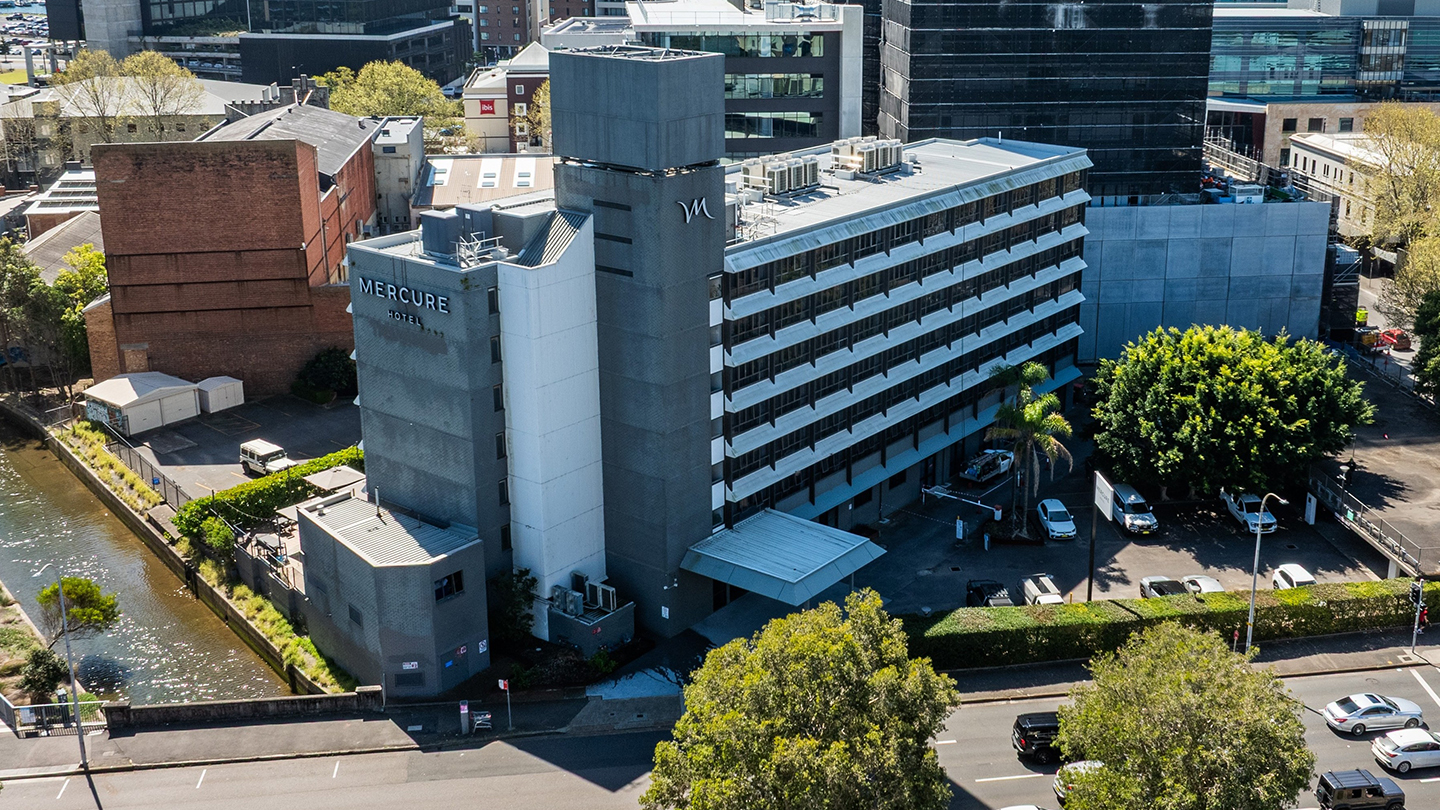
$201.8M sale signals growing global confidence in Sydney's hotel market
Associated Contact
Head of Hotels – Capital Markets, Pacific
Associated Contact
Manager, Capital Markets - Hotels, Sydney
88 Broadway, Chippendale NSW
Transacted by CBRE Hotels in conjunction with JLL Hotels & Hospitality Group, the deal saw Singapore-based Hoi Hup Realty acquire the 309-room hotel, marking the group's first investment into the Australian market.
Beyond the significance of the transaction itself, the sale reinforces a broader trend emerging across the hotel sector: investors continue to be attracted to assets located within major urban renewal precincts where infrastructure investment, employment growth and population expansion are driving long-term demand.
Offshore capital targets Sydney
International investors have played an increasingly important role in Australia's hotel investment market over the past decade, drawn by the sector's relatively strong operating fundamentals and the scarcity of institutional-grade opportunities.Sydney remains a particular focus.
As Australia's largest gateway city, the market benefits from diverse demand drivers spanning tourism, corporate travel, major events, education and migration. At the same time, opportunities to acquire high-quality hotels in strategic locations remain relatively limited.
The successful sale of Four Points Sydney, Central Park demonstrates that offshore buyers continue to recognise the long-term value of these assets, particularly when they are positioned within precincts benefiting from significant public and private investment.
A hotel at the centre of Sydney's innovation corridor
A key factor underpinning buyer interest was the hotel's location within Tech Central, one of Australia's most significant urban regeneration projects.Centred around Central Station, the precinct is rapidly evolving into a major technology, innovation and education hub, attracting billions of dollars in investment from both the public and private sectors.
Major developments including Dexus and Frasers Property's $2.5 billion Central Place Sydney project and the landmark Atlassian Tower are reshaping the area, bringing thousands of workers, students and visitors into the precinct each day.
For hotel investors, these projects represent more than city-shaping infrastructure. They create long-term accommodation demand from corporate travellers, project teams, university visitors, conferences and major events.
Few Sydney hotels are positioned to benefit as directly from this transformation as Four Points Sydney, Central Park.
A modern asset in a tightly held market
Opened in late 2018, the hotel comprises 309 guest rooms, including 45 suites, alongside a range of amenities designed to serve both corporate and leisure guests.Recent investment into the property has further strengthened its market position. Capital works included the conversion of an underutilised conference floor into 12 additional guest rooms, while the hotel's food and beverage offering was repositioned to better cater to the area's growing residential and student population through the launch of Dizzy Bird, its revitalised restaurant and bar concept.
The asset also benefits from conference and meeting facilities, a fitness centre and dedicated parking, making it well positioned to capture a broad range of demand sources.
Importantly, buyers were not simply acquiring a hotel, but exposure to one of Sydney's fastest-growing mixed-use precincts.
Strong demand for high-quality hotel opportunities
The transaction reflects continued competition for high-calibre hotel investments despite a challenging broader capital markets environment.Hotels remain one of the few commercial real estate sectors where investors can directly benefit from revenue growth linked to tourism recovery, population expansion and increasing visitation trends.
As international travel continues to strengthen and Sydney's accommodation market remains relatively constrained from a new supply perspective, investors are increasingly focused on assets that offer both strong operational fundamentals and exposure to long-term precinct growth.
The sale of Four Points Sydney, Central Park demonstrates that well-located, institutional-grade hotels continue to attract deep pools of domestic and international capital.
For CBRE and JLL, the transaction highlights ongoing investor confidence in Sydney's accommodation market and the enduring appeal of assets positioned at the intersection of hospitality, infrastructure investment and urban transformation.
As capital continues to seek exposure to markets supported by strong fundamentals and long-term growth drivers, Sydney's best hotel assets remain firmly on the radar of global investors.
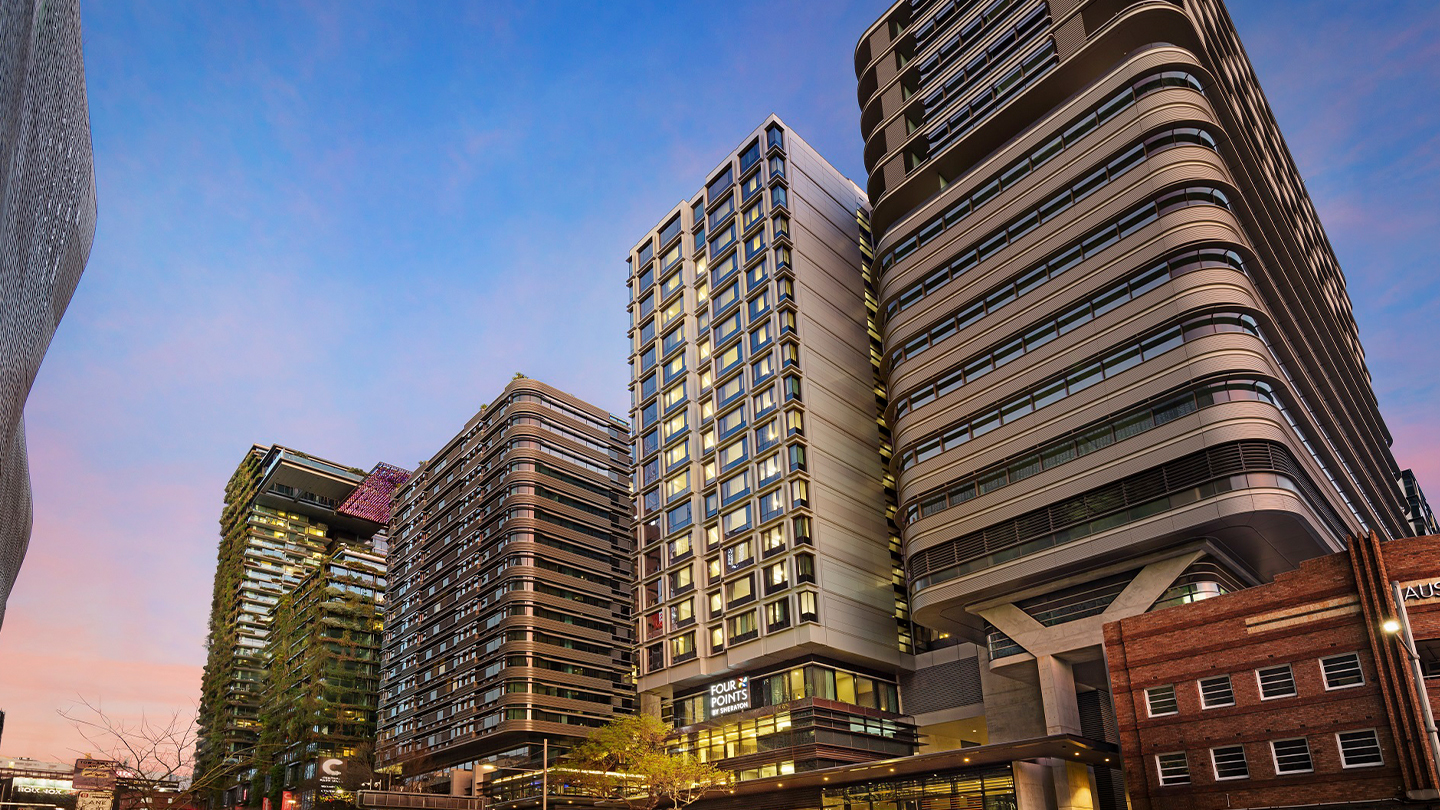
Explore More Insights from Capital Edge
- Article | Capital Edge
Business Insights | Australia’s Apartment Squeeze Set to Deepen as Vacancy Rates Hit New Lows
September 29, 2026

CBRE forecasts apartment rents will rise 24% by 2030 as supply shortages drive vacancy rates to record lows across Australia.
- Article | Capital Edge
Business Insights | Looking Beyond the Noise: What Student Policy Changes Really Mean for PBSA
October 6, 2026

New student visa policies are making headlines, but the data suggests demand for Australian PBSA remains resilient
Debt has re-emerged as a key market driver, with higher borrowing costs shaping investment decisions, transaction activity and refinancing strategies.

We modelled what stronger international tourism growth could mean for Australian hotel performance through to 2030.
- Article | Capital Edge
Business Insights | Luxury Hotels Are Setting the Pace for ANZ Hospitality Investment
September 29, 2026
Luxury hotels are outperforming the broader market as strong demand, rising room rates and limited future supply support investment appeal.
- Article | Capital Edge
Business Insights | Trading Below the Cost to Replace: Why Australia's Office Market Faces a Supply Crunch
October 6, 2026
Australian prime CBD office assets are trading well below replacement cost, creating a compelling investment backdrop amid constrained future supply.
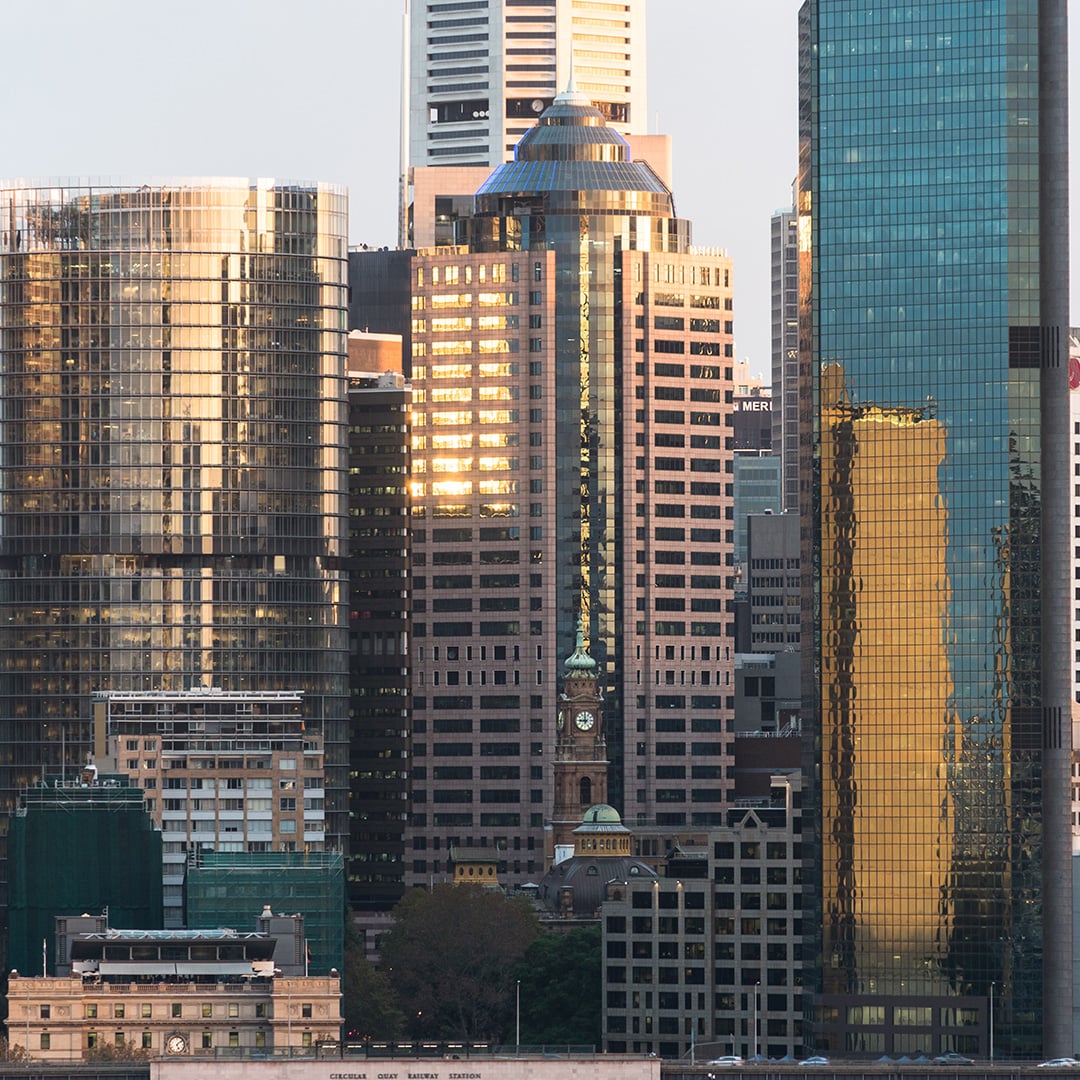
Two major office opportunities highlight investment activity across Sydney and Brisbane, spanning a $715m portfolio sale and a Prime CBD asset.
A look at the transactions, financing solutions and development opportunities driving growth across Australia's Living sector.

After seven years advising investors across Hong Kong, Singapore and Sydney, Hugh Thomson reflects on the deals, relationships and capital trends influencing re...
Read the Latest From Capital Edge
In each issue we bring you critical insights, data points, trends, and transactions to help you stay ahead of the curve in the evolving world of Capital Markets.