Capital Edge Q4 2026
Welcome
Contact
Head of Capital Markets, Pacific

Against this backdrop, the resilience of investment activity has been notable. Transaction volumes across all sectors are up 52% year-on-year, reflecting the intent of investors to look through short-term volatility. While we anticipate a softer finish to the year as available stock increases and buyers become increasingly selective, activity to date demonstrates that capital has been willing to move when high quality or well-priced opportunities emerge.
In this edition of Capital Edge, we explore how these dynamics are playing out across Australia’s commercial property markets, where opportunities are emerging and what investors should be watching as the market continues to recalibrate.
-
Major Report
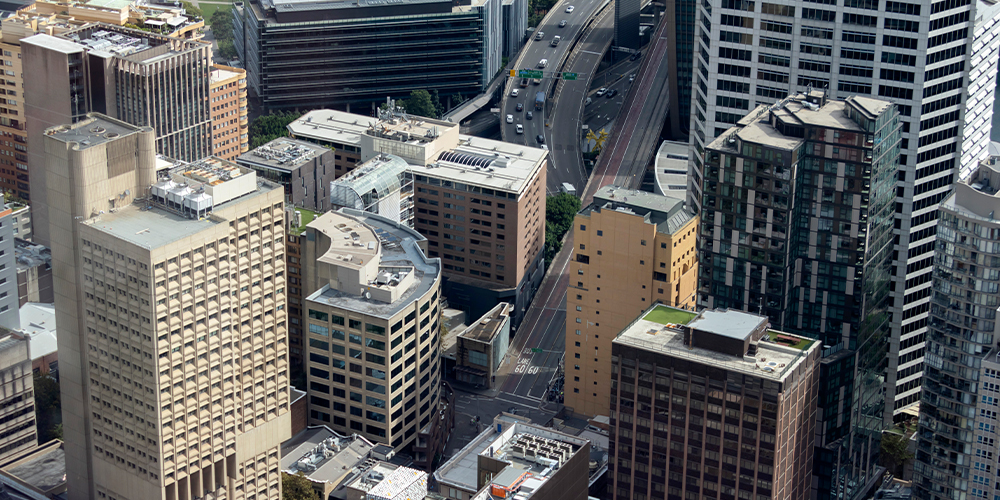
Trading Below the Cost to Replace: Why Australia's Office Market Faces a Supply Crunch
The growing gap between office values and replacement costs is reshaping Australia’s development pipeline and strengthening the case for prime existing assets.
-
Intelligent Investment
-
Capital Spotlight
-
Article

-
Business Insights

-
Despite global uncertainty, the Australian labour market remains robust with an unemployment rate of 4.6%.
-
We modelled what stronger international tourism growth could mean for Australian hotel performance through to 2030.
-
Article | Intelligent Investment
Business Insights | Australia’s Apartment Squeeze Set to Deepen as Vacancy Rates Hit New Lows
September 29, 2026
CBRE forecasts apartment rents will rise 24% by 2030 as supply shortages drive vacancy rates to record lows across Australia.
-
Article | Intelligent Investment
Business Insights | Luxury Hotels Are Setting the Pace for ANZ Hospitality Investment
September 29, 2026
Luxury hotels are outperforming the broader market as strong demand, rising room rates and limited future supply support investment appeal.
-
-
-
Our leading Capital Markets leaders provide their strategic perspective on what’s impacting real estate investment across Australia and New Zealand today.
-
Article | Intelligent Investment
Business Insights | Property Spotlights From Hotels
September 30, 2026
Explore three major hotel investment opportunities and transactions driving confidence in Australia's hospitality sector.
-
Article | Intelligent Investment
Business Insights | Property Spotlights From Living
October 7, 2026
A look at the transactions, financing solutions and development opportunities driving growth across Australia's Living sector.
-
Article | Intelligent Investment
Business Insights | Property Spotlights From Office
October 25, 2026
Two major office opportunities highlight investment activity across Sydney and Brisbane, spanning a $715m portfolio sale and a Prime CBD asset.
-
How sound judgement and strong relationships help Senior Managing Director, Capital Markets – Private Wealth, Ingrid Filmer lead strategic business growth, be a trusted advisor to clients, and make her mark in the private wealth sector.
-
Podcast | Intelligent Investment
Property Wealth Rewired: How Private Investors are Adapting
September 17, 2026
CBRE strengthens Victorian Capital Markets team with Kate Pilgrim appointment
Ms Pilgrim brings more than two decades of commercial property experience and a deep network across Victoria’s occupier and investor markets. She most recently served as Victorian Managing Director and Joint Head of Tenant Representation at JLL, having returned to the firm in 2024 after serving as Head of Customer and Marketing - Office at Charter Hall.
Before joining Charter Hall, Ms Pilgrim spent 17 years at JLL in advisory and leadership roles spanning occupier representation, corporate real estate and transaction management.
She will work in partnership with Mr Harrison, who joined CBRE from investment banking firm Barrenjoey, where he advised on complex real estate transactions, capital raising and funding solutions.
CBRE Pacific Head of Capital Markets Flint Davidson said the appointments combined complementary capabilities at a pivotal point in Melbourne’s office market cycle.
“Kate brings exceptional local knowledge, occupier insights, outstanding institutional relationships and complex negotiation skills, while Sam brings strong technical and capital markets expertise that has resonated with investors,” Mr Davidson said.
“Together, they form a formidable partnership and provide a highly credible, sophisticated alternative in the Melbourne office investment market.
“We believe Melbourne is positioned to benefit from improving investor sentiment. The market offers compelling relative value, and leasing fundamentals are strengthening, with the Eastern Core recording some of the country’s strongest net effective rental growth.
“Those conditions are creating opportunities as the market resets, and Sam and Kate give us the right combination of capital markets capability, local insight and intuitive occupier insights to help investors capitalise as confidence and transaction activity rebuilds.”
Ms Pilgrim said the opportunity to help build CBRE’s Victorian Office Capital Markets business was a strong drawcard.
“CBRE has a highly regarded platform and the opportunity to work in partnership with Sam and the broader team was compelling,” Ms Pilgrim said.
“Melbourne is entering a pivotal phase and I’m looking forward to helping clients identify opportunities and deliver strong outcomes.”
Recent Issues
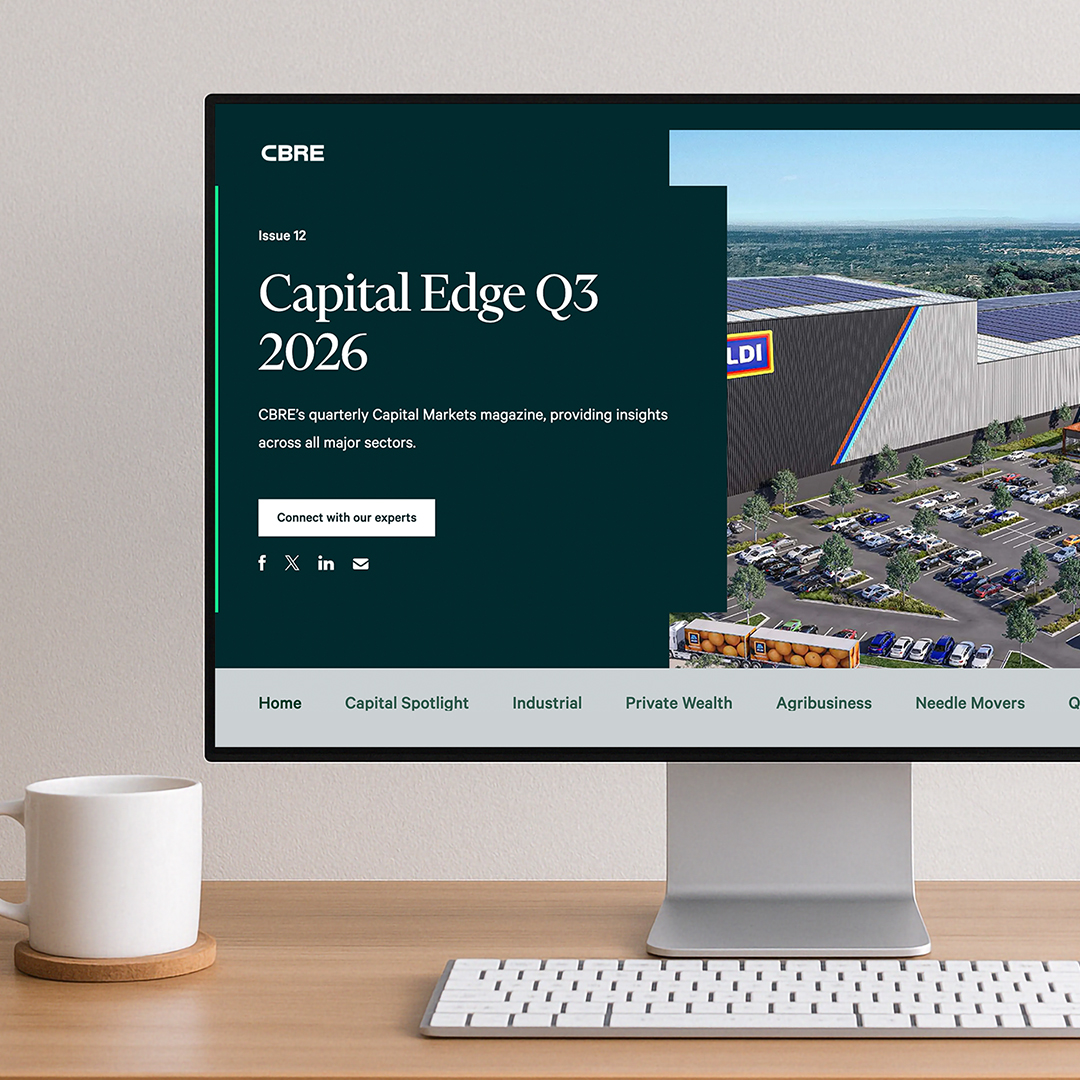
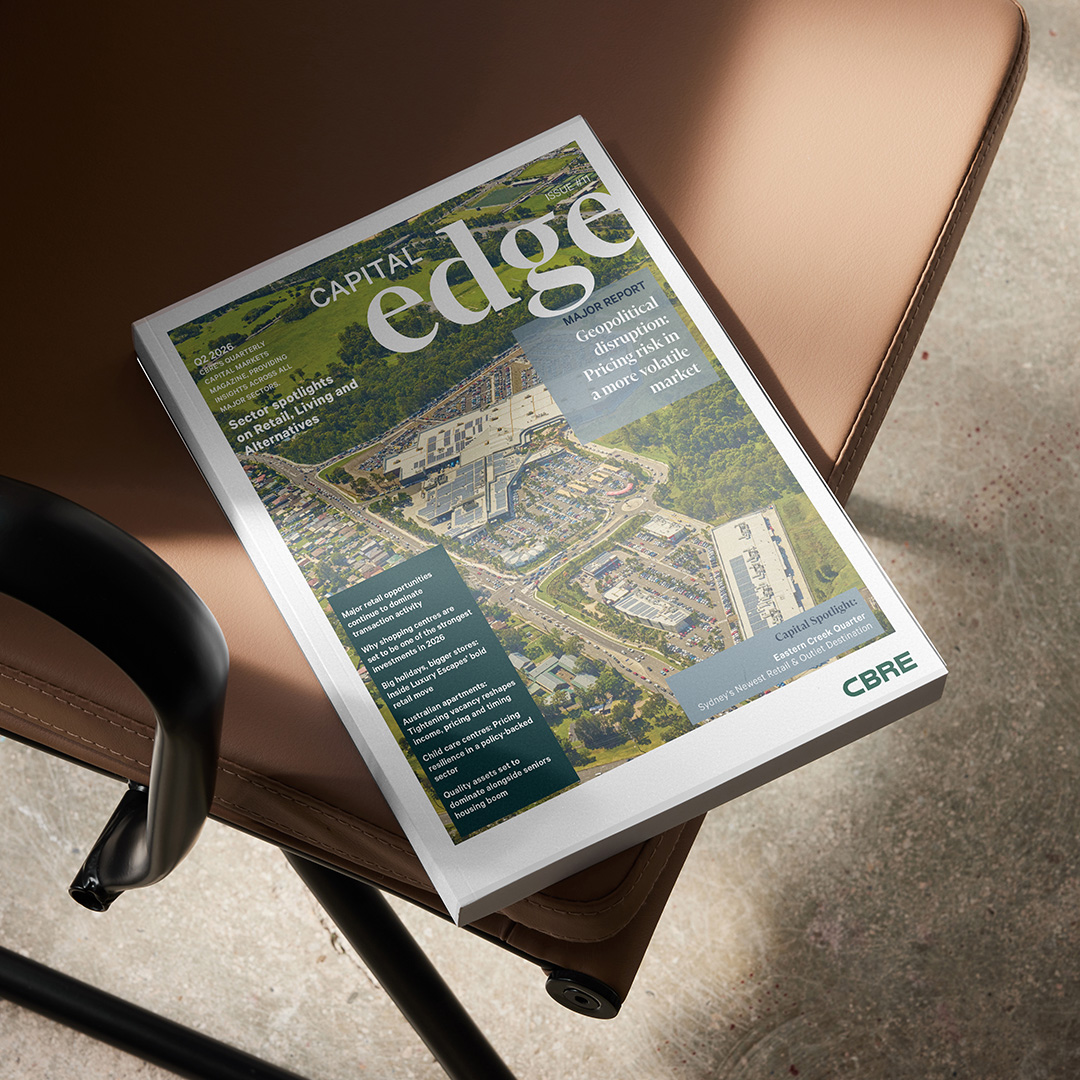
CBRE’s quarterly Capital Markets magazine, providing insights across all major sectors.

Capital Spotlight
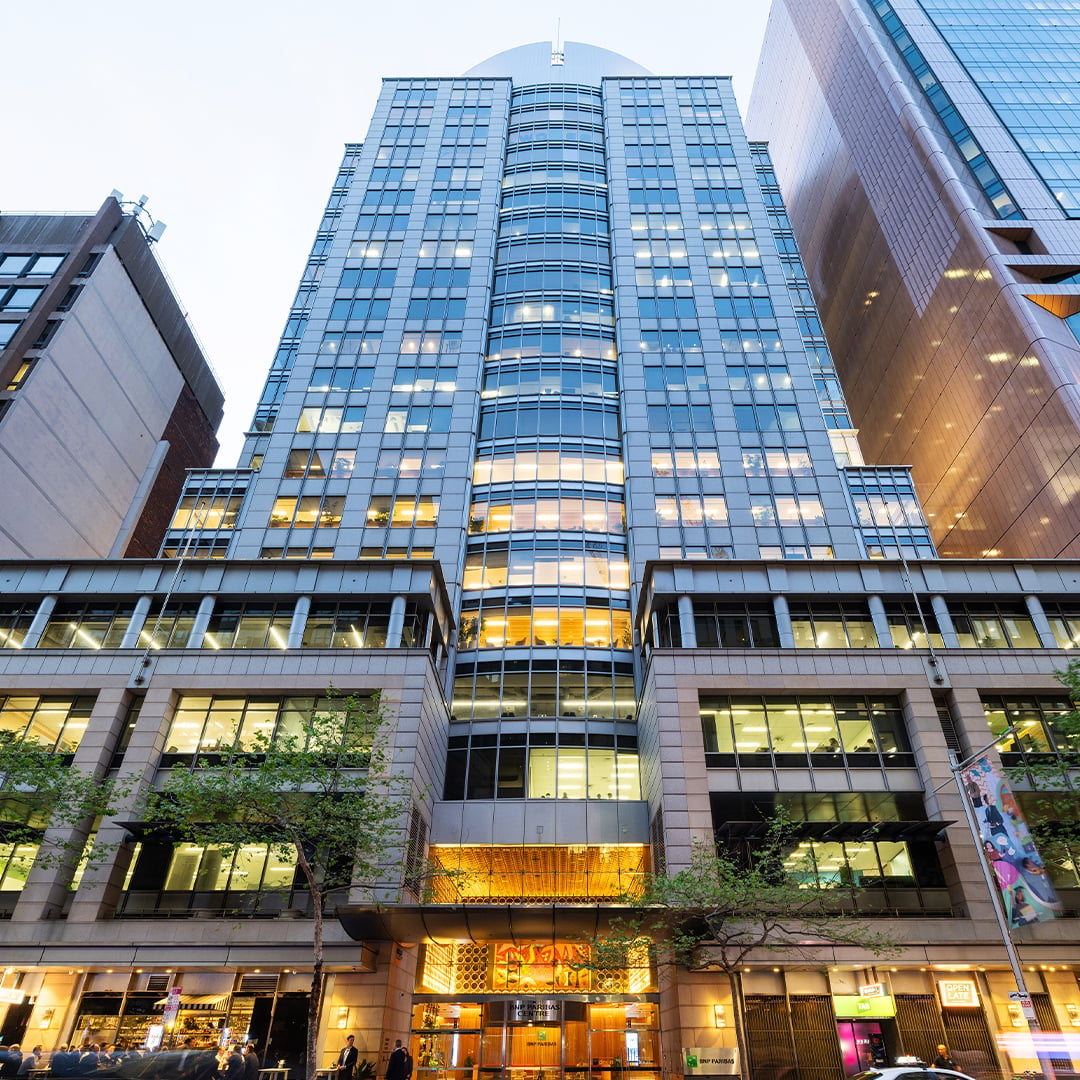
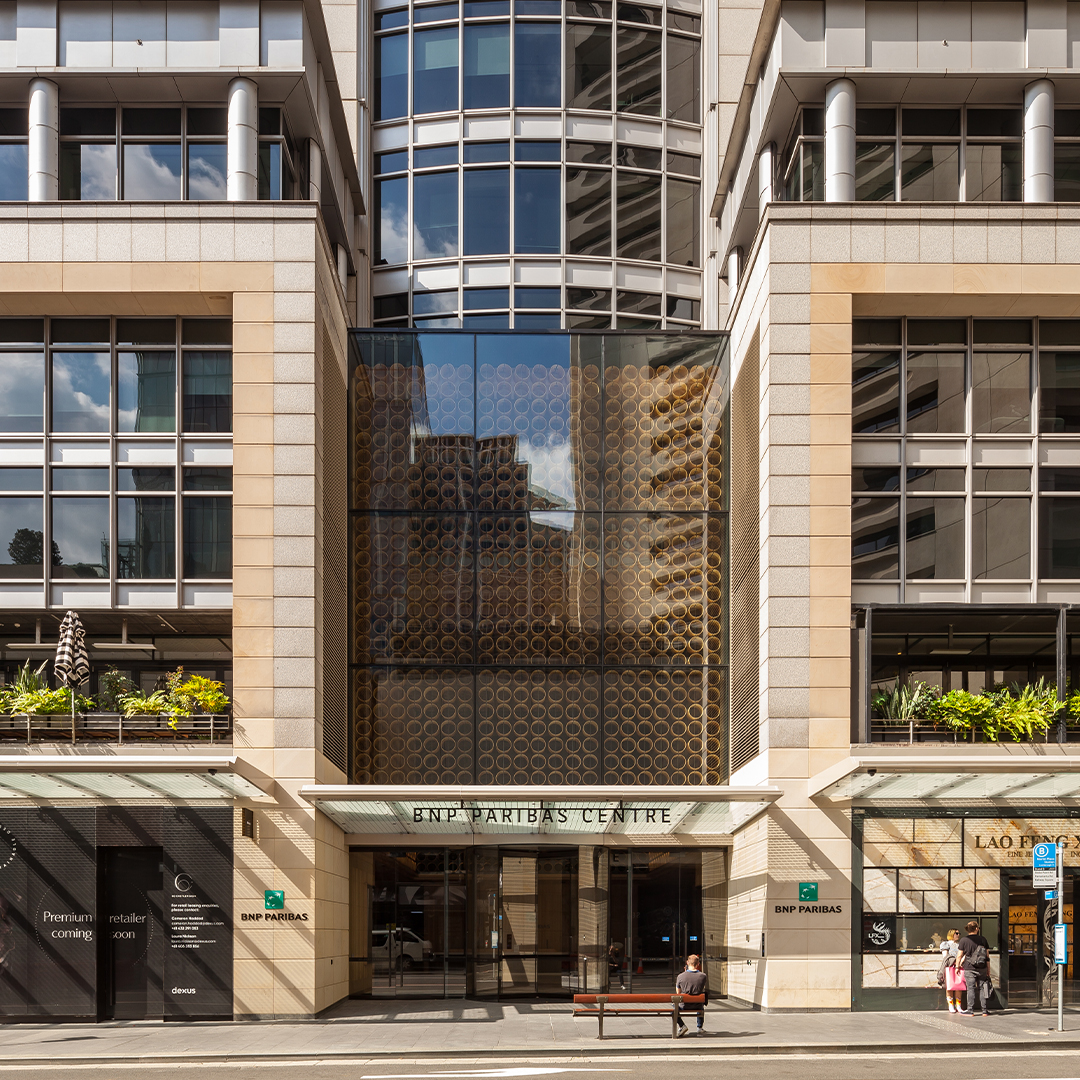
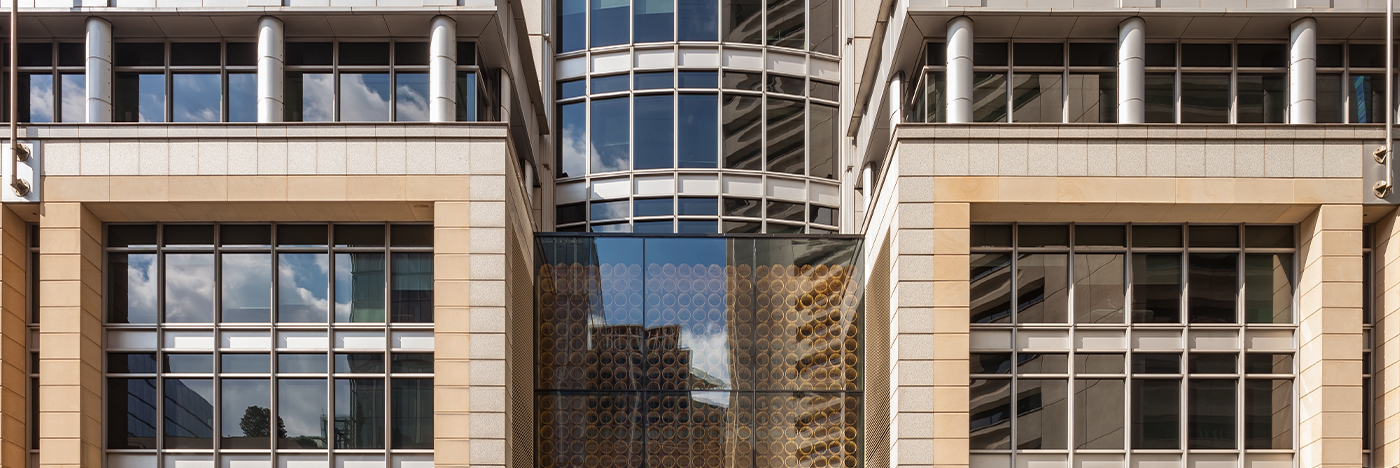
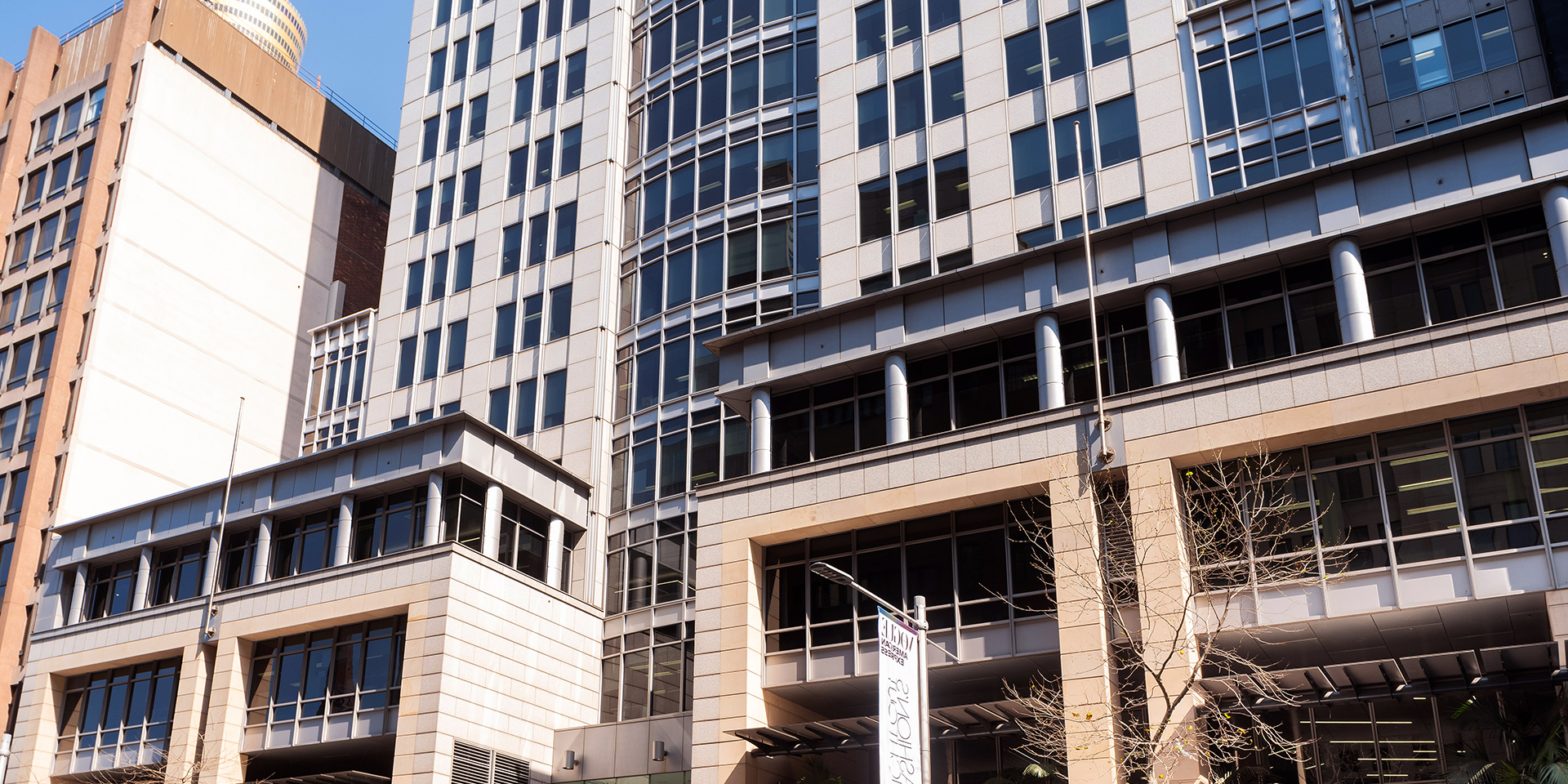
FOR SALE | 60 Castlereagh Street, Sydney
Contacts
Head of Office – Capital Markets, Pacific

Head of Capital Markets, Pacific
Property highlights
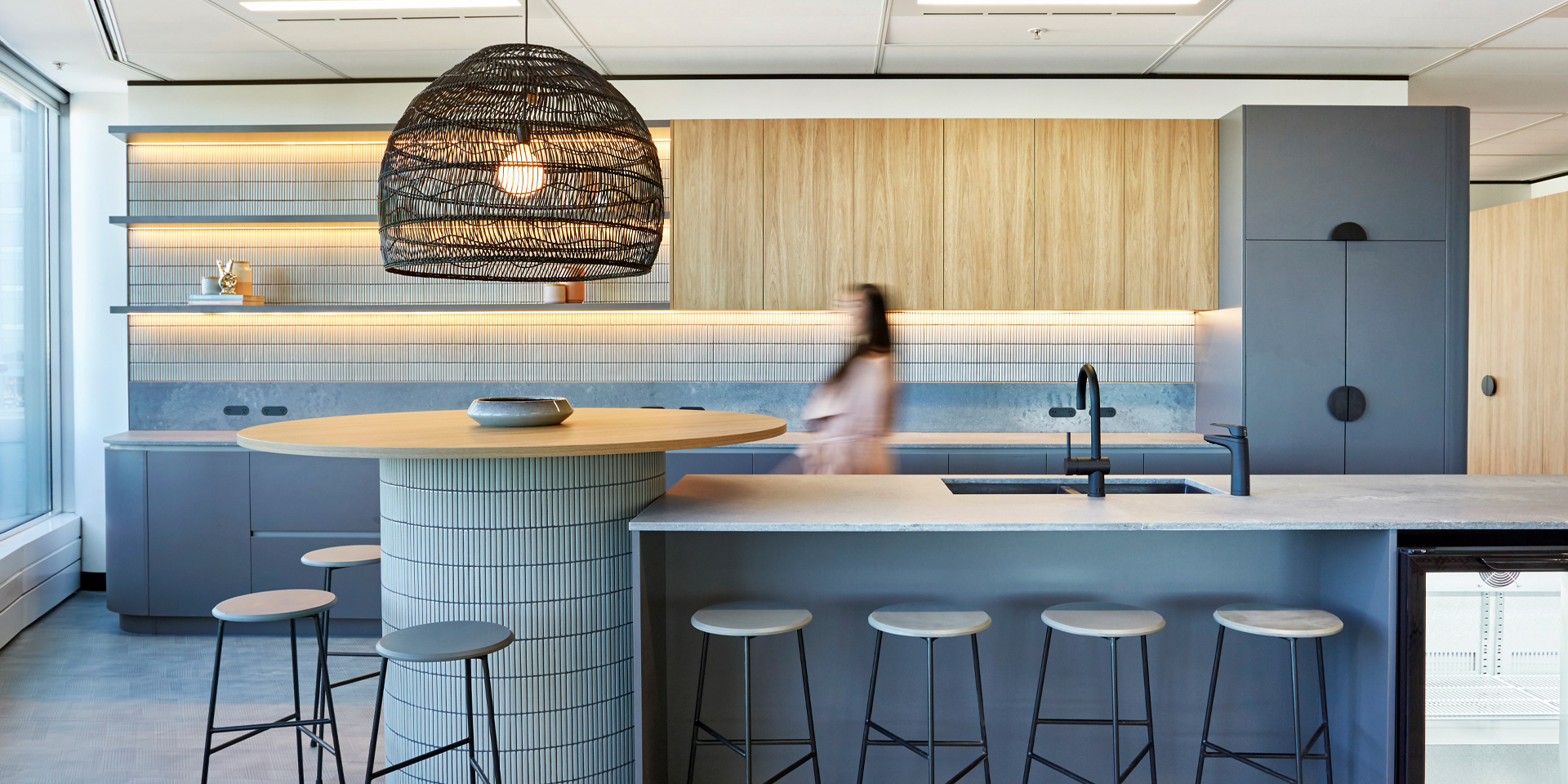
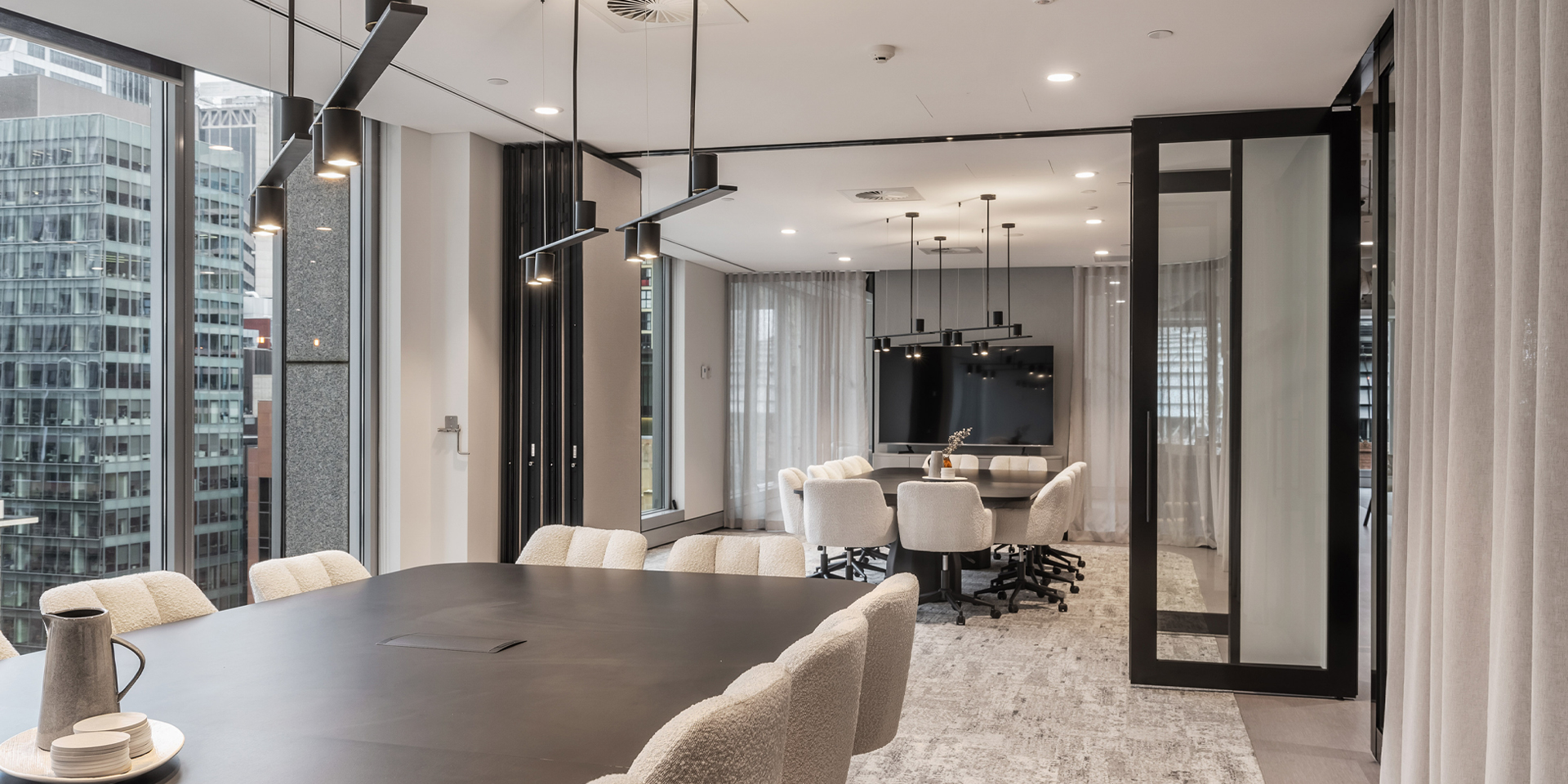
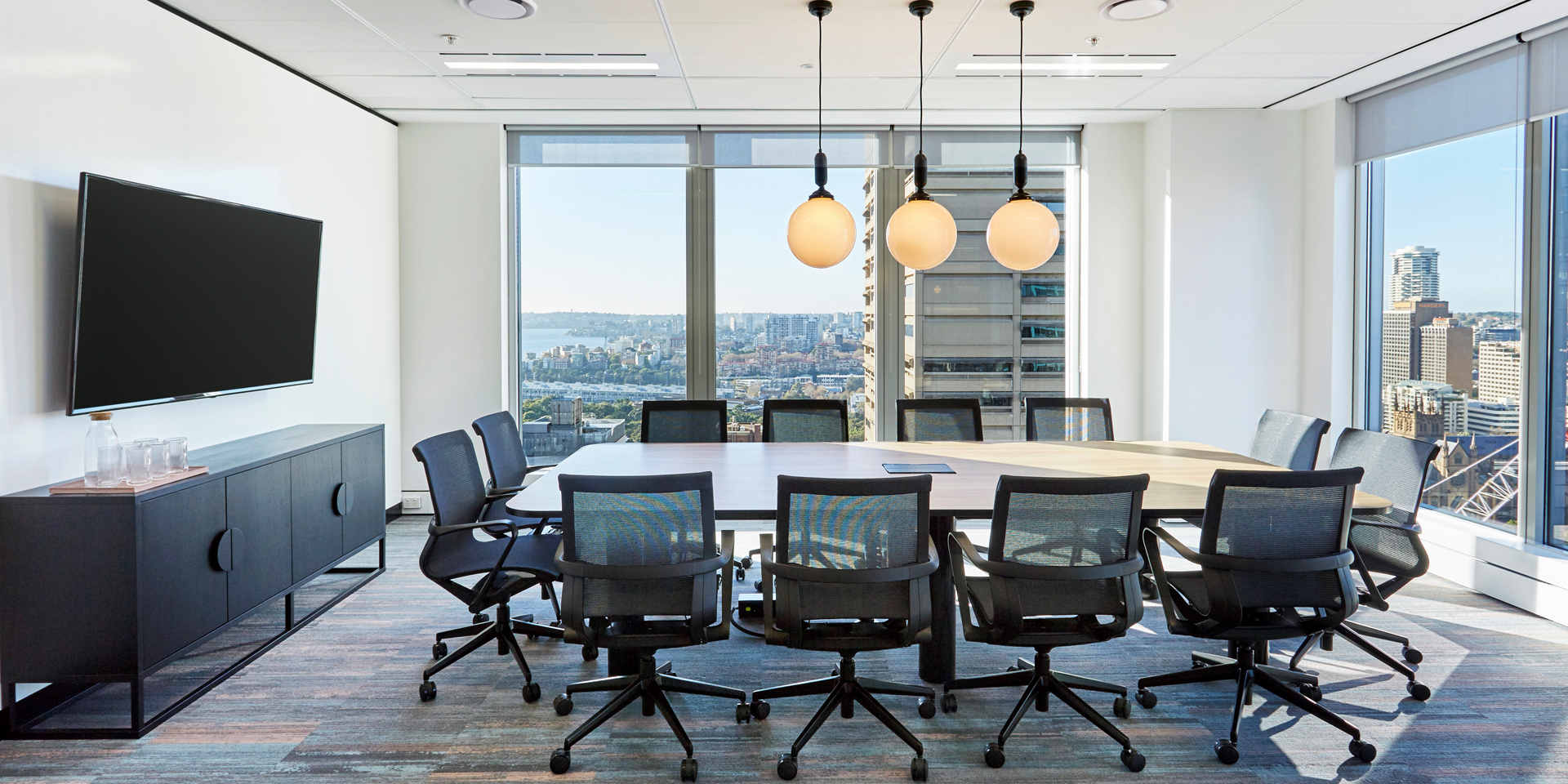
- 100% freehold Prime grade office asset in Sydney’s CBD core
- 27,200sqm of net lettable area
- 96% occupancy (by lettable area) and a 3.67-year WALE (by income)¹
- Approximately 13% rental reversion potential²
- Substantial capital works program already completed including upgraded foyers, lifts, building services and end-of-trip
-
60 Castlereagh Street, Sydney, also known as the BNP Paribas Centre, is being offered for sale via International Expressions of Interest. This is the only 100% freehold Prime grade office asset currently available in the Sydney CBD core precinct, with only two 100% Prime grade interests having traded across the Sydney CBD marked in the past 17 years².
The 20-level A-grade office tower occupies a prominent position adjoining Martin Place Station, with dual frontage to Castlereagh and Elizabeth Streets.
Comprising 27,200sqm of net lettable area, the asset is 96% leased (by lettable area) with a 3.67-year WALE (by income)¹. Its diversified tenant base spans office, education, luxury retail, food and beverage, and parking, with major occupiers including BNP Paribas, James Hardie, the University of Newcastle and the Australian Energy Market Commission.
Substantial capital works program has been undertaken since 2021, including upgraded foyers, lifts, building services and end-of-trip facilities. The building also holds a 6.0 Star Green Star rating, a 5.0-star NABERS Energy rating and Carbon Neutral Certification.
The campaign comes as Sydney’s CBD core continues to outperform the broader office market. Prime net effective rents in the core increased 10.3% over the year to $1,054/sqm as incentives fell 230 bps to 29.3%², while limited future supply and continued occupier demand for quality space are supporting further rent growth acceleration through to 2032². With estimated net market office rents approximately 13% above average net passing office rents², 60 Castlereagh Street offers a clear pathway to income growth.
International Expressions of Interest close at 4:00 pm AEDT on Thursday, 19 November 2026. CBRE and Savills have been appointed as the exclusive marketing agents.
²Source: CBRE Research, 2026

Read More
-
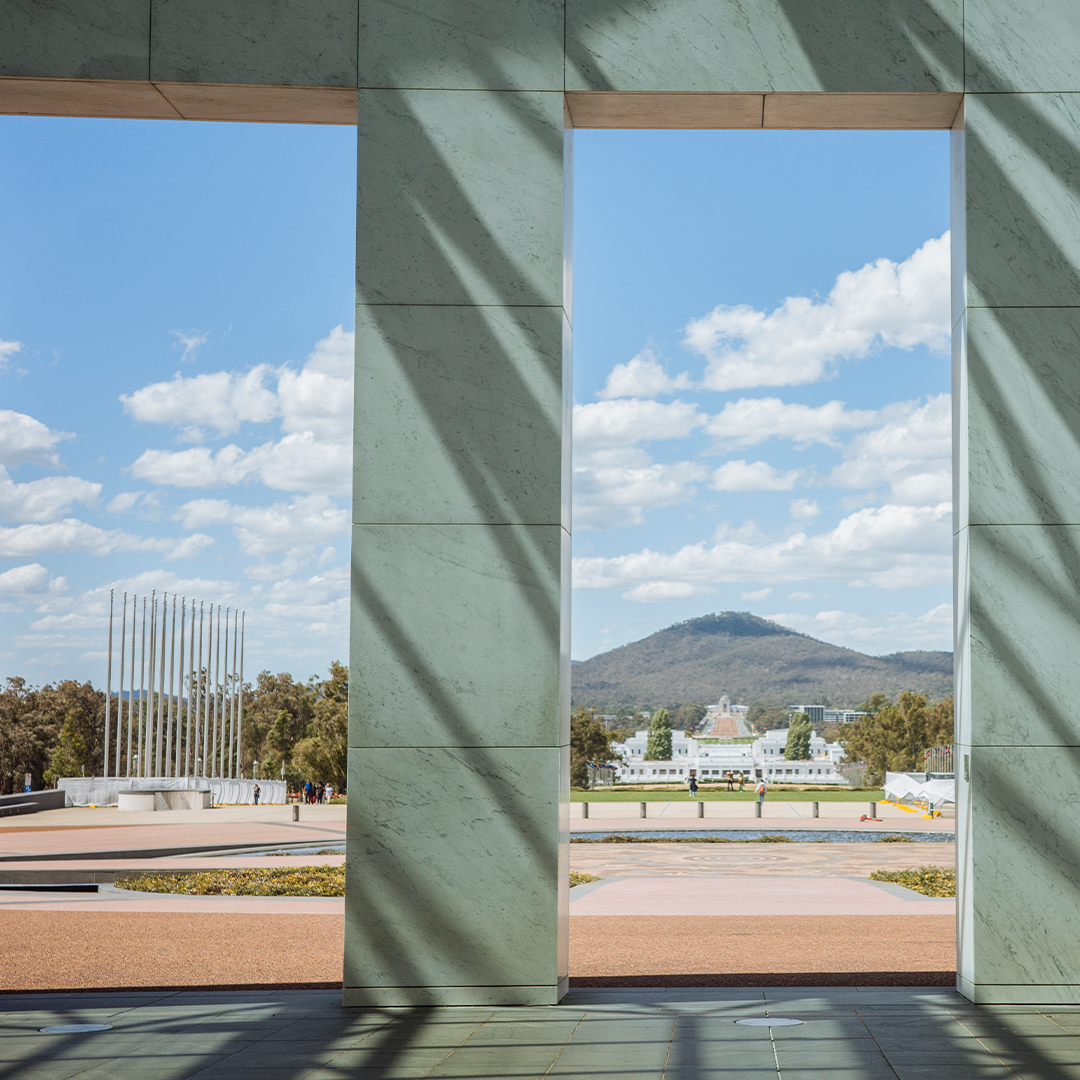
Debt has re-emerged as a key market driver, with higher borrowing costs shaping investment decisions, transaction activity and refinancing strategies.
-
Article | Intelligent Investment
Business Insights | Trading Below the Cost to Replace: Why Australia's Office Market Faces a Supply Crunch
October 6, 2026
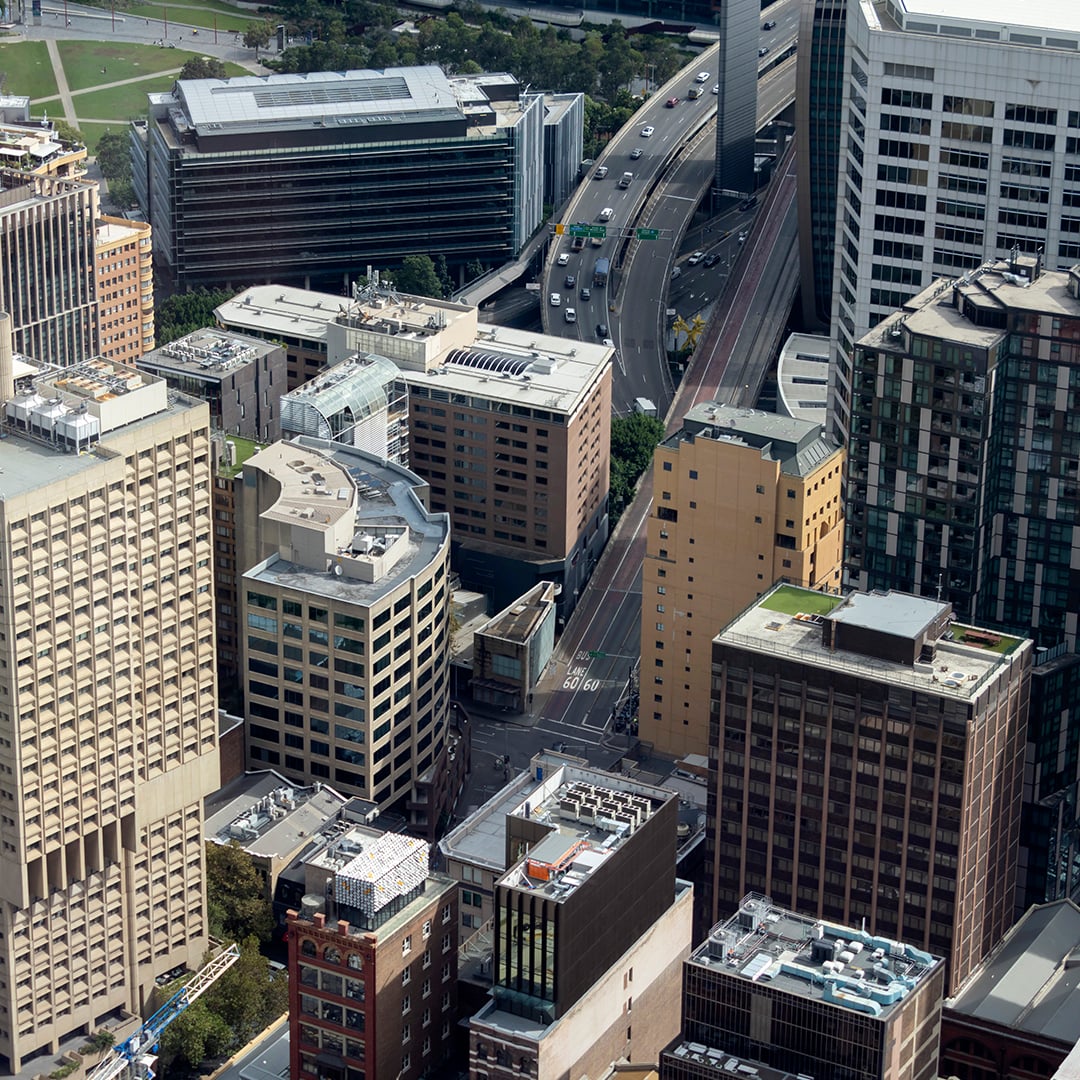
Australian prime CBD office assets are trading well below replacement cost, creating a compelling investment backdrop amid constrained future supply.
-
Sector Spotlight on
Office
Office Outlook | The Return of Fundamentals
Contact
Head of Office – Capital Markets, Pacific
As investors look towards the next phase of the cycle, improving leasing fundamentals, elevated financing costs and a growing volume of investment opportunities are combining to create a more nuanced market environment than we have seen in recent years.
Across Australia’s major CBD markets, occupier fundamentals continue to strengthen. Leasing demand remains active, vacancy is tightening in many prime markets and rental growth is becoming increasingly evident in locations where supply remains constrained.
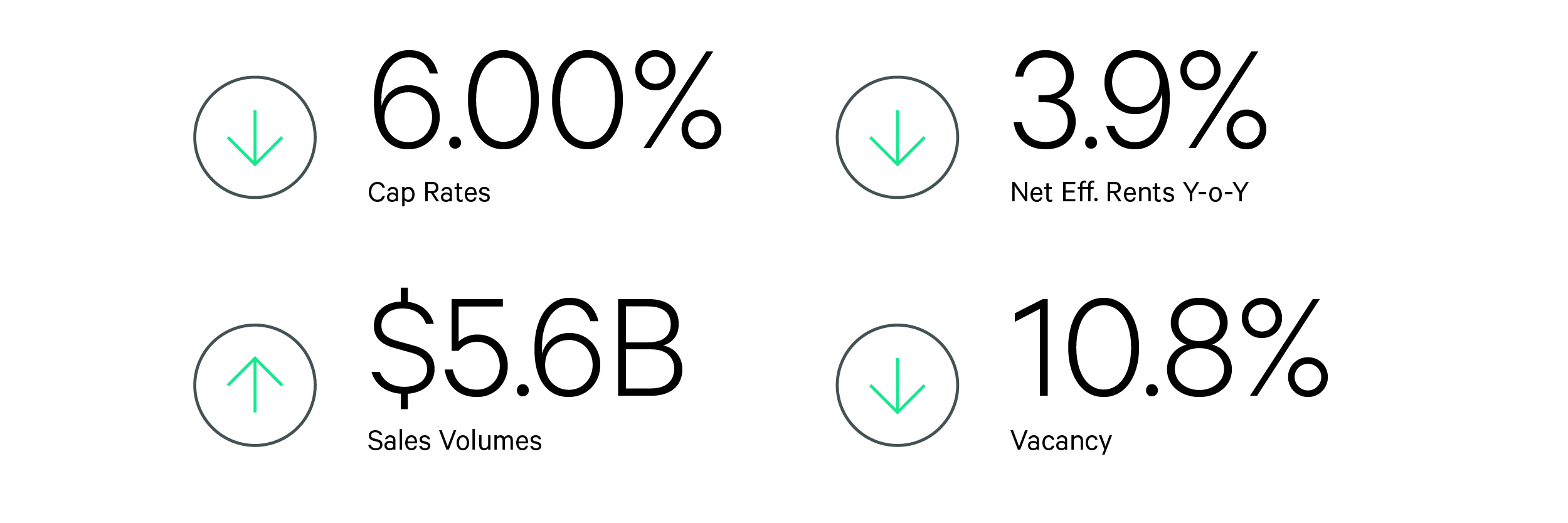
Sydney provides one of the clearest examples of this trend. Prime CBD vacancy has tightened to 12.6%, marking the fifth consecutive period of positive prime absorption, while effective rents continue to strengthen across key precincts. Similar themes are emerging across other gateway markets where occupiers continue to prioritise high-quality, well-located office space.
For investors, these trends matter because they underpin future income growth. As occupier demand improves and leasing fundamentals strengthen, assets with a clear rental growth story are becoming increasingly attractive in a market where capital is more selective.
Importantly, many office markets continue to benefit from a constrained supply outlook.
Elevated construction costs, financing challenges and project feasibility concerns continue to limit new development activity across Australia and New Zealand. At the same time, a growing number of office assets are being repositioned, repurposed or withdrawn for alternative uses, further reducing future office supply in several markets.
These conditions are supporting rental growth and strengthening the outlook for well-located assets where occupier demand remains resilient.
It is important to distinguish this from what is occurring within capital markets. While the supply of office space available to occupiers remains constrained, the supply of investment opportunities is increasing as more owners look to transact.
While occupier fundamentals continue to improve, capital markets are navigating a different set of challenges.
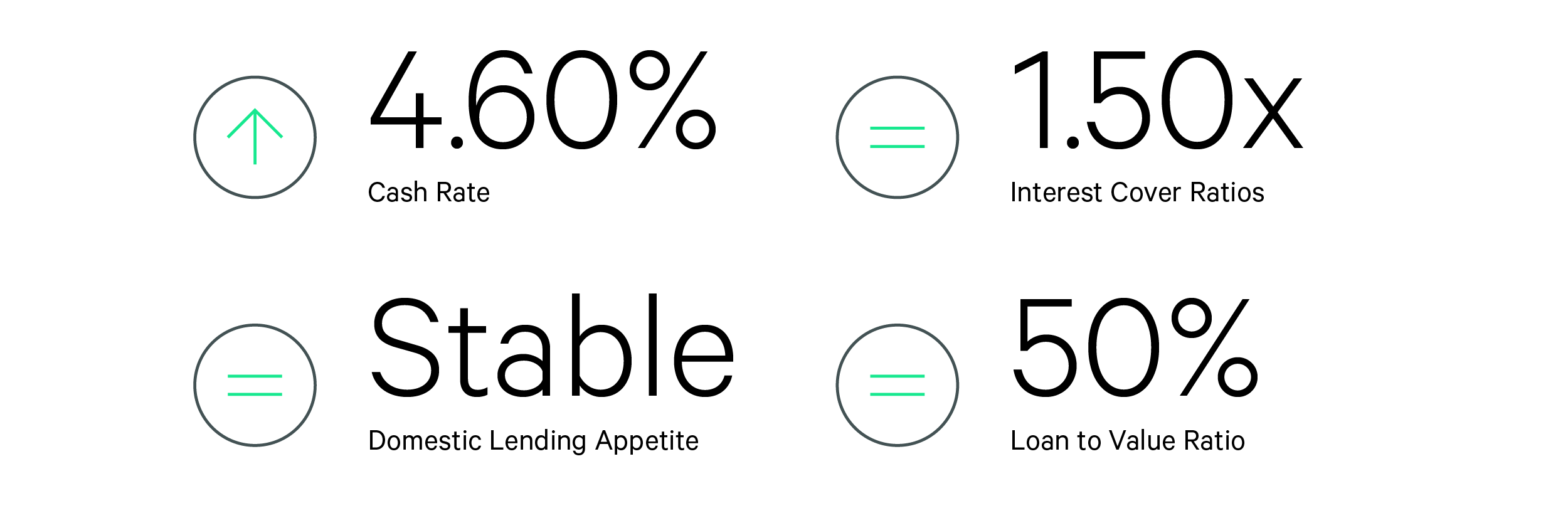
Borrowing costs remain materially higher than they were only a few years ago, increasing the cost of capital and placing greater emphasis on asset quality, leasing performance and future income growth. Financing remains available, but investors are becoming increasingly disciplined in where they deploy capital.
At the same time, refinancing requirements, capital recycling mandates and wholesale fund redemption activity are contributing to a growing volume of office assets being marketed. CBRE is currently tracking approximately $6 billion worth of office campaigns expected to be marketed during the second half of 2026.
The result is an unusual market dynamic. The supply of office space available to occupiers remains constrained, while the supply of investment opportunities continues to expand. Investors have more opportunities to choose from, but are more constrained in how they underwrite the market.
This is particularly relevant for modern, well-located buildings that align with the ongoing flight-to-quality thematic. Despite a higher cost of capital, these assets continue to attract strong investor interest, supported by occupier demand and the prospect of future income growth.
The defining theme for investors today is not necessarily the increasing number of properties being offered to market. It is where capital is choosing to concentrate.
Investors are increasingly focused on locations where occupier demand remains strong, rental growth is accelerating and future supply is constrained. These are the markets where investors continue to see the greatest potential for rental growth, yield compression and value creation through the next stage of the cycle.
Investors generally follow tenant demand. Where occupiers want to be, rents grow. Where rents grow, investors can justify pricing today based on tomorrow’s income. This helps explain why prime office assets in Australia’s major CBD markets have remained comparatively resilient despite elevated financing costs and broader market volatility.
Not every market is moving at the same pace. While many secondary and outer suburban office markets continue to face greater leasing challenges, they are also attracting value investors seeking opportunities to capitalise on the next stage of the cycle recovery.
The next 12 months will likely test the depth of investor demand as elevated financing costs coincide with a growing volume of assets being marketed. Some campaigns will attract significant competition, while others may face greater challenges in achieving vendor expectations.
However, as financing costs are projected to ease into the second half of 2027, we expect the pace of assets being brought to market to gradually moderate. Combined with improving occupier fundamentals, this has the potential to rebalance supply and demand dynamics and provide further support for pricing across many office markets.
Transaction activity is also expected to improve, with office investment volumes forecast to return closer to the long-term average of $14.9 billion per annum by year-end. This reflects improving investor confidence and greater alignment between buyer and vendor expectations.
In the meantime, investors remain focused on identifying assets capable of delivering sustainable rental growth. As the market moves into its next phase, asset selection will be the defining factor in investment performance.
This is increasingly a market that rewards fundamentals. While debt costs, liquidity requirements and capital market conditions remain important considerations, occupier demand is once again becoming a key driver of value. For investors, the opportunity lies in identifying those assets and locations where demand, rental growth and supply constraints are most closely aligned.
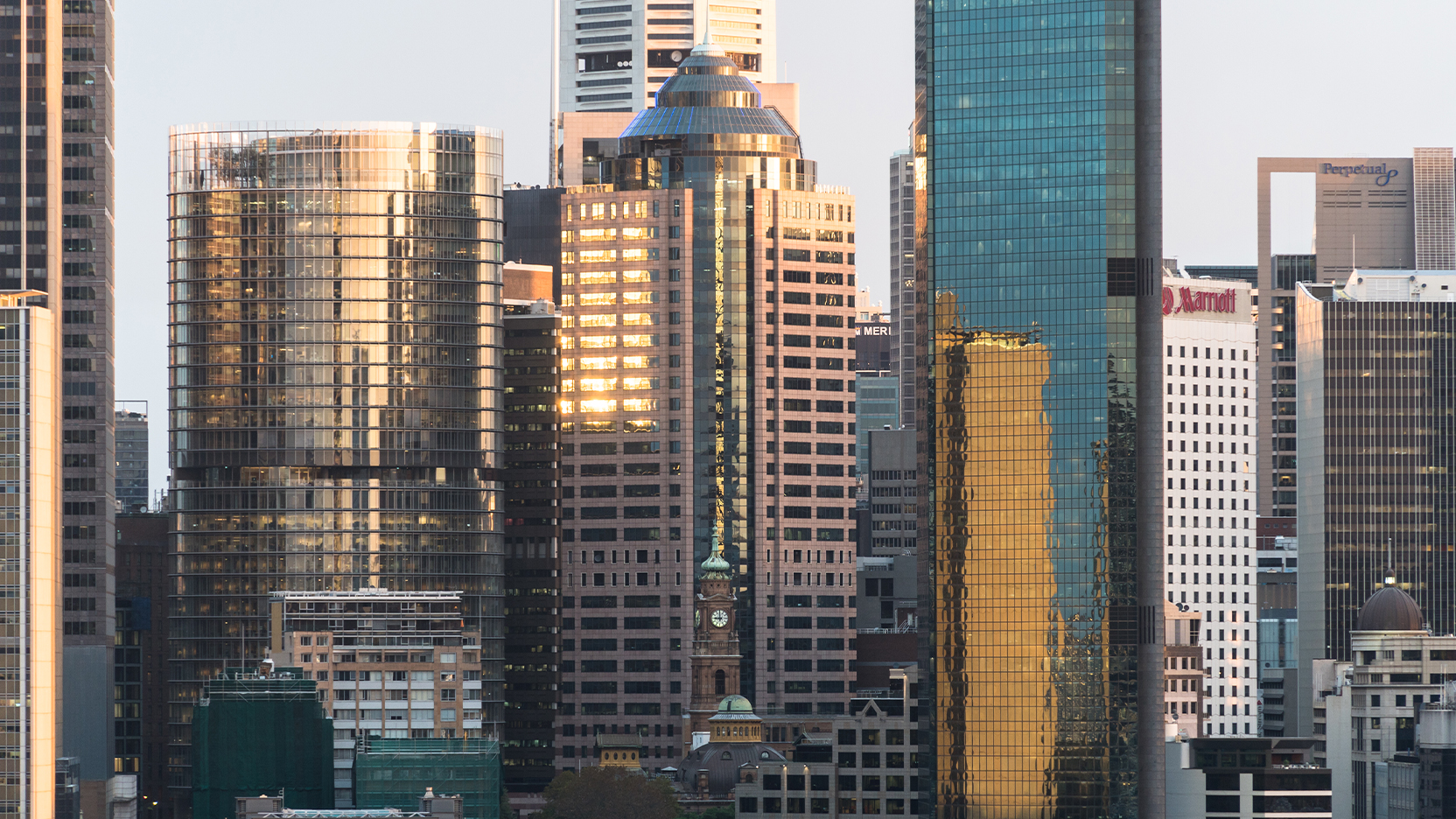
Property Spotlights From Office
More from Office
-
Article | Intelligent Investment
Business Insights | The Office Reset: What’s driving the next workplace evolution?
September 10, 2026
Four of Australia’s leading office owners, IFM Investors, Charter Hall, GPT, and Dexus, share how they expect innovation, experience, and AI to shape the sector in the short and long term.
-
Despite global uncertainty, the Australian labour market remains robust with an unemployment rate of 4.6%.

Sector Spotlight on
Hotels
Hotels Outlook
Contact
Head of Hotels – Capital Markets, Pacific

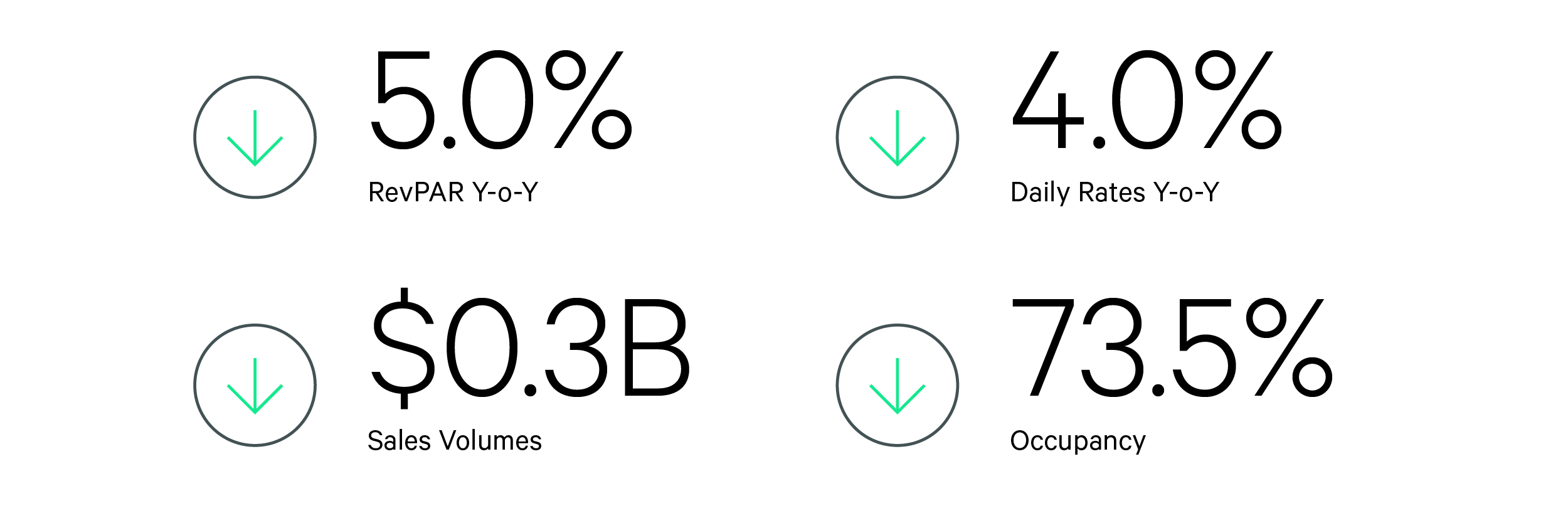
Australia's hotel sector continues to record strong operating performance. Sydney, Perth, Hobart, Cairns and Adelaide all achieved RevPAR growth of between 7% and 11% in the 12 months to July 2026. Sydney remains the standout market, recording 84% occupancy, A$344 ADR and A$289 RevPAR, supported by international visitation, corporate travel, major events and resilient domestic demand.
Demand fundamentals remain positive. Australia welcomed 9.1 million short-term visitors in FY2025-26, up 8.3% year-on-year and approaching pre-pandemic levels. Importantly for investors, visitors are spending more and staying longer, reinforcing hotel earnings growth and supporting accommodation demand across gateway cities and tourism markets.
The constrained supply pipeline remains one of the sector's strongest investment drivers. Development feasibility continues to be challenged by construction costs, financing costs and planning complexity. CBRE estimates future hotel supply will be 41% below historic delivery levels and 35% below forecast demand growth, strengthening the position of existing assets.
Investor appetite continues to strengthen. The first half of 2026 was the strongest first-half transaction period since 2015, supported by significant offshore capital. Major transactions included Hamilton Island (A$1.2 billion), the Novotel and ibis Sydney Darling Harbour complex (A$390 million) and Four Points by Sheraton Sydney Central Park (A$201.8 million).
Sydney has re-emerged as Australia's most active hotel investment market. More than A$808 million of hotel transactions have occurred in the city year-to-date, more than double the total transaction volume recorded during all of 2025. Strong fundamentals and limited supply continue to attract investor interest.
Higher interest rates and geopolitical uncertainty are creating a more selective investment environment. Capital is increasingly targeting high-quality assets with strong earnings growth, resilient income streams and opportunities for NOI expansion. Asset quality, location and operating capability have become increasingly important drivers of value.

Property Spotlights From Hotel
More from Hotels
-
Article | Intelligent Investment
Business Insights | Luxury Hotels Are Setting the Pace for ANZ Hospitality Investment
September 29, 2026

Luxury hotels are outperforming the broader market as strong demand, rising room rates and limited future supply support investment appeal.
-

We modelled what stronger international tourism growth could mean for Australian hotel performance through to 2030.

Sector Spotlight on
Living
Living Outlook
Contacts
Head of Living Sectors – Capital Markets, Pacific

Head of Debt & Structured Finance – Capital Markets, Pacific

Build-to-Rent: Conviction Holding Firm
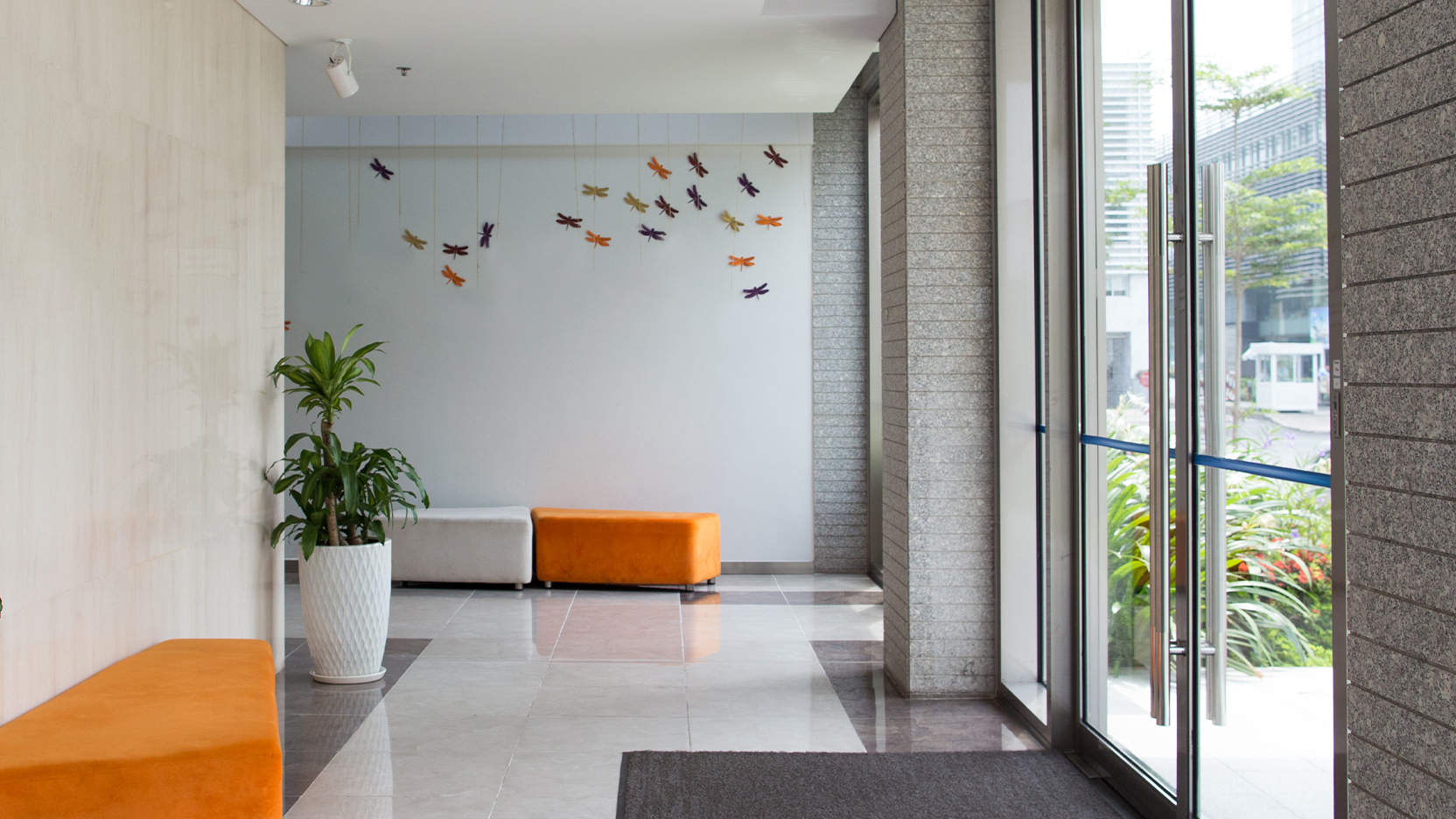
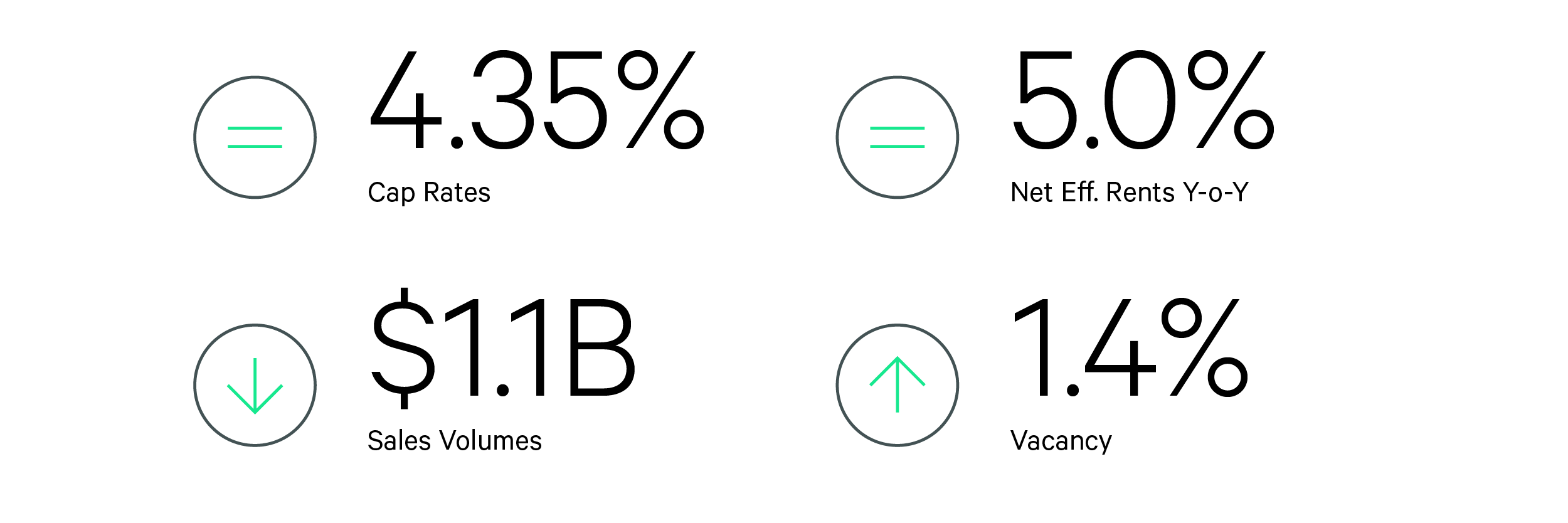
Continued undersupply of new apartments across Australian inner cities will produce outsized rental growth through 2026 and beyond. According to CBRE Research, Australian apartment supply is likely to hover at approximately half of 2016 levels for the foreseeable future. The vacancy data makes the rental growth case city by city: Brisbane falls from 1.1% to 0.7% over the next five years, Sydney from 1.6% to 1.2%, and Melbourne from 2.1% to 1.4% as the post-2025 development wave clears. CBRE forecasts 27% cumulative weekly rent growth across Australian apartment markets between 2025 and 2030. Construction starts remain constrained by high building costs and elevated financing rates, yet demand continues to grow. That supply-demand gap is structural, not cyclical.
Completed assets in Melbourne showed solid rental growth during H1 2026 following a subdued 2025, when a number of large developments landed simultaneously. That softness is fading. A vacancy rate trending towards 1.4% in a market of Melbourne's scale is a compelling rental growth setup for the back half of the decade. Viability for build-to-sell apartment developers appears to be worsening due to recent tax changes for private investors, which has led to sluggish pre-sales. There are also signs that non-bank lending into build-to-sell may contract as underperforming loans surface. For BTR investors, this is significant, creating opportunities to access development sites and locations previously supported by higher land values driven by the build-to-sell market.
As the traditional build-to-sell financing model becomes more challenging, more development projects will require alternative capital solutions, and BTR does not rely on pre-sales to satisfy lenders. Investors with flexible equity structures and long hold periods are well positioned to capitalise on these opportunities. Meanwhile, New South Wales is beginning to deliver on planning reforms, with the Housing Delivery Authority pathway generating approvals at scale. NSW has now overtaken Victoria in forward pipeline momentum, with 9,645 planned units, making Sydney the preferred market for many BTR investors.
Completed assets are trading with conviction, although the stamp duty surcharge for overseas investors remains a barrier. CBRE advised on the largest single BTR investment ever transacted in Australia in Q1 2026: a $285 million deal in Brisbane reflecting a cap rate of 4.25%-4.50% on the forecast net operating income. CBRE handled the sale on behalf of Frasers, generating 10 bids totaling more than $2.5 billion. That result set a clear pricing benchmark for prime, newly constructed product and demonstrated the depth of appetite from global capital. Pricing has held firm despite rising Australian Government 10-year bond yields and sustained volatility from the conflict in the Middle East.
Prime BTR assets remain at cap rates of 4.25%-4.50% across the three East Coast cities. The spread to risk-free remains compressed, reflecting the depth of institutional conviction in the asset class and the outlook for rental growth. Tax settings remain the primary constraint on new commencement activity. Stamp duty surcharges for overseas investors and the unrecoverable GST on construction costs are the most significant friction points. These are the levers government must address to produce a meaningful uplift in BTR starts at scale. Rental housing does not experience the same cycles as build-to-sell, and policy settings should support a consistent pipeline of new rental housing supply.
The debt market continues to demonstrate growing confidence in the build-to-rent sector as it evolves into an established institutional asset class. Lenders are increasingly comfortable with BTR operating models, driving greater competition among domestic and offshore financiers and expanding the range of available capital solutions. Well-located, professionally managed assets continue to attract strong lender interest, supported by Australia's structural housing undersupply and favourable rental growth outlook. International lenders are also bringing experience from more mature BTR markets, increasing the depth of capital and introducing financing structures that are increasingly being adapted to Australian conditions.
Property Spotlights From Living
More from Living
-
Article | Intelligent Investment
Business Insights | Looking Beyond the Noise: What Student Policy Changes Really Mean for PBSA
New student visa policies are making headlines, but the data suggests demand for Australian PBSA remains resilient
-
Article | Intelligent Investment
Business Insights | Australia’s Apartment Squeeze Set to Deepen as Vacancy Rates Hit New Lows

CBRE forecasts apartment rents will rise 24% by 2030 as supply shortages drive vacancy rates to record lows across Australia.

A Selection of Recent Needle Moving Transactions from CBRE
Needle Movers
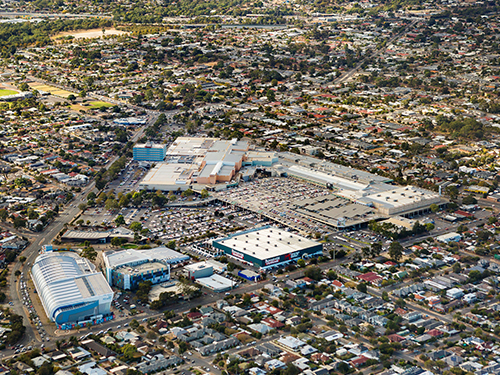
- Purchase Price: $670 million
- Vendor: Cuscaden Peak
- Buyer: JY Group
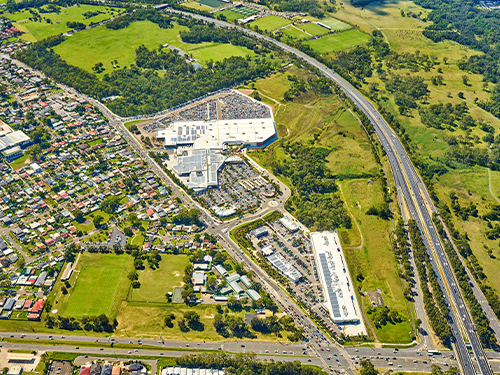
- Purchase Price: $400 million
- Vendor: Frasers Property Australia
- Buyer: Vicinity Centres
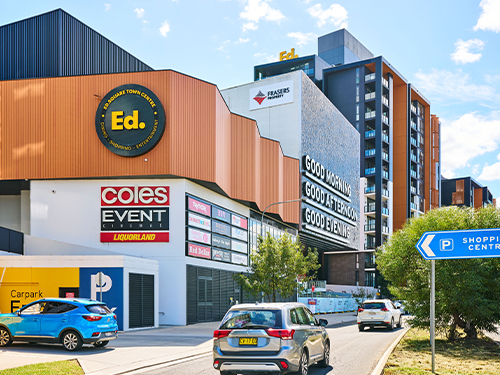
- Purchase Price: $248 million
- Vendor: Frasers Property Australia
- Buyer: Assembly FM & PGIM Real Estate
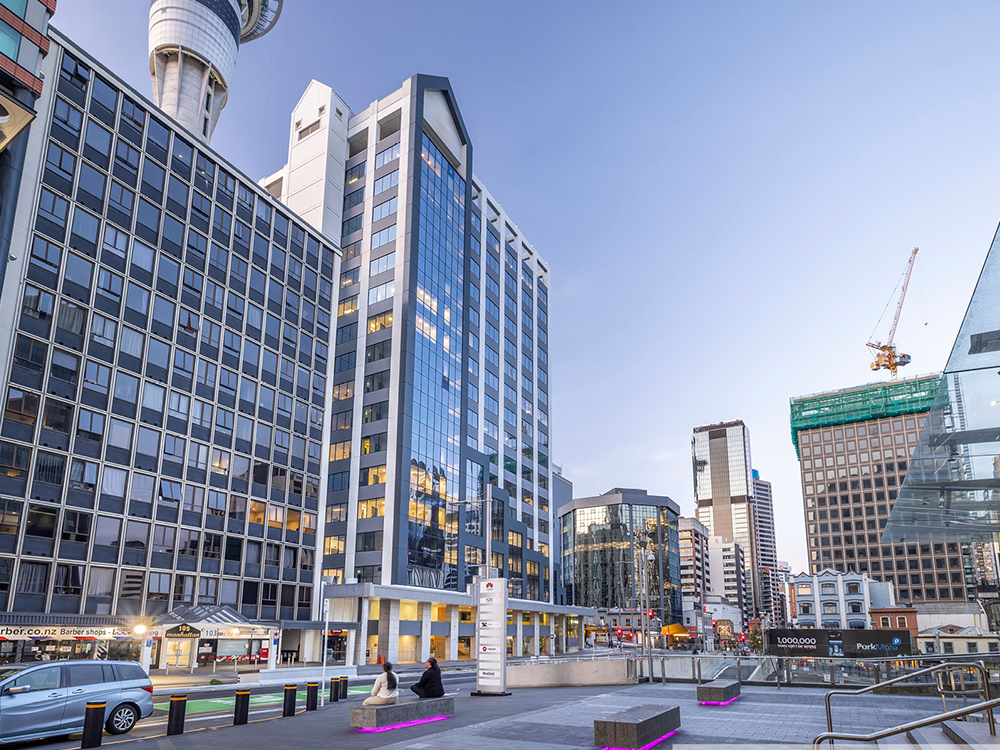
- NZ$74.5M
- Vendor: SkyCity Entertainment Group
- Purchasers: Mainland Capital and Russell Property Group
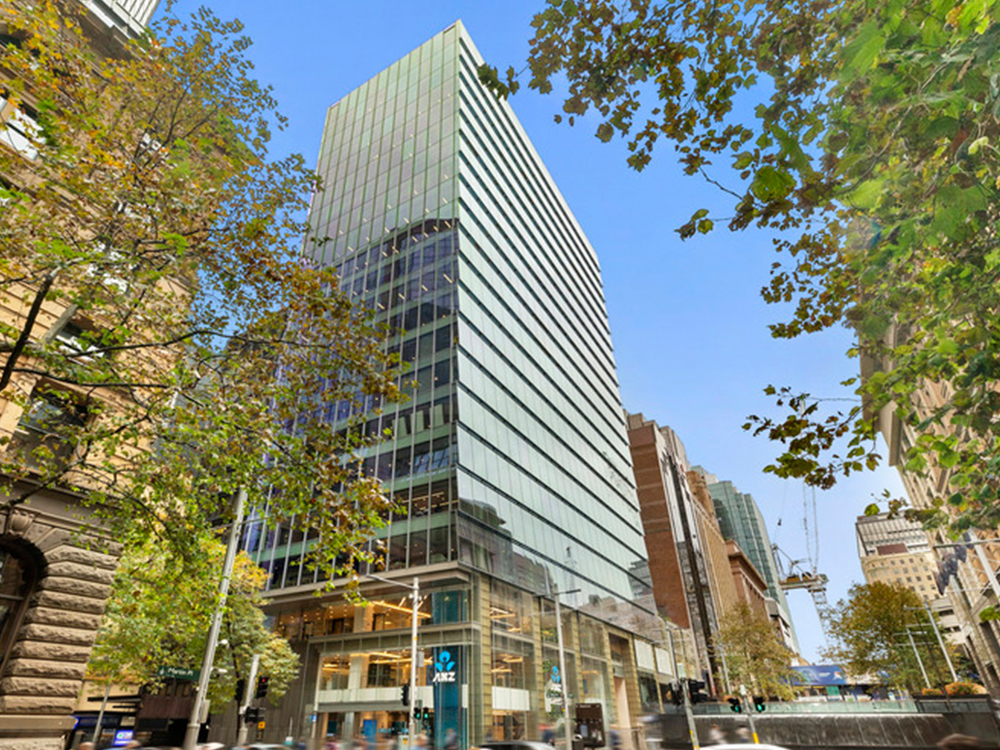
- Asset Type: A Grade Core Office
- NLA: 19,000 sqm
- Purpose: Refinance
- Loan Amount: 45% LTV
- Borrower / Lender: Pembroke / Domestic Bank

Q3 Statistics
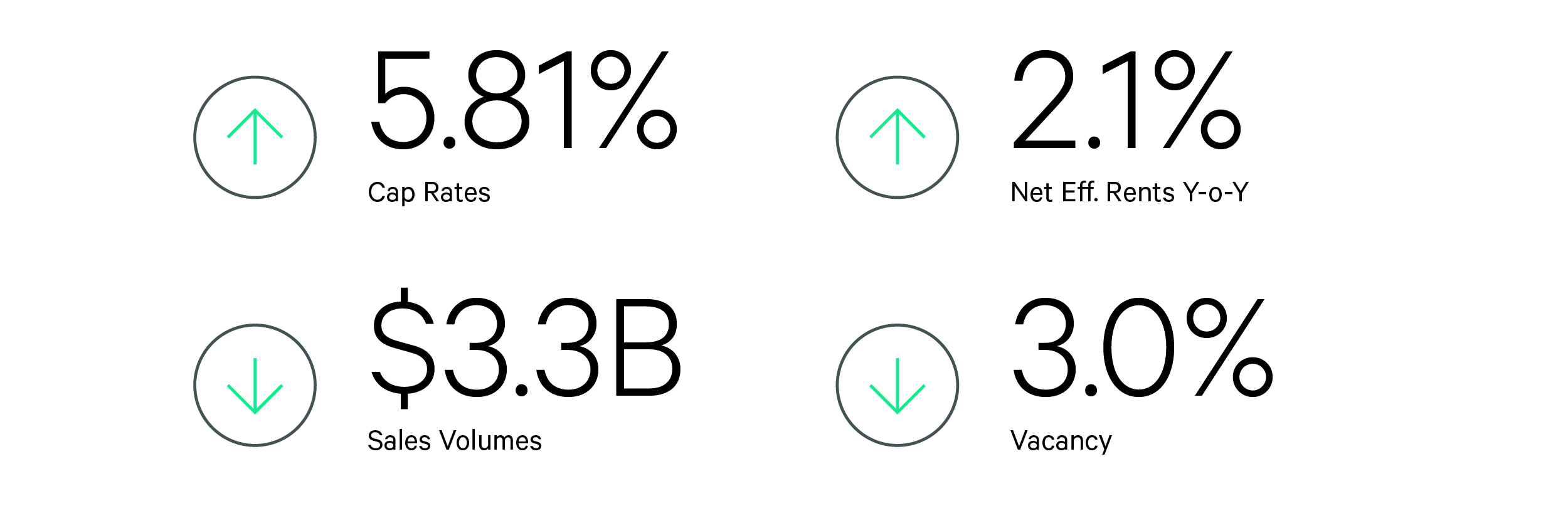
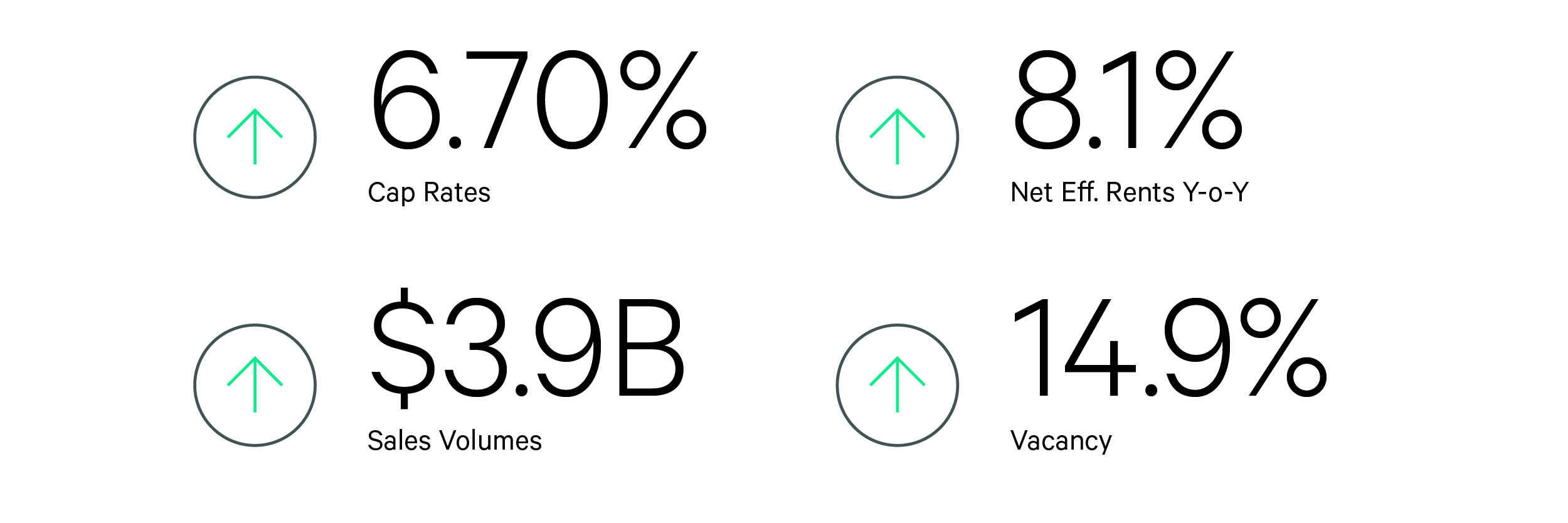
Private Wealth Auction Results
Read More
-
Debt has re-emerged as a key market driver, with higher borrowing costs shaping investment decisions, transaction activity and refinancing strategies.
-
Article | Intelligent Investment
Business Insights | The Office Reset: What’s driving the next workplace evolution?
September 10, 2026

Four of Australia’s leading office owners, IFM Investors, Charter Hall, GPT, and Dexus, share how they expect innovation, experience, and AI to shape the sector in the short and long term.
-
Article | Intelligent Investment
Business Insights | Looking Beyond the Noise: What Student Policy Changes Really Mean for PBSA
October 6, 2026
New student visa policies are making headlines, but the data suggests demand for Australian PBSA remains resilient
-
We modelled what stronger international tourism growth could mean for Australian hotel performance through to 2030.
One Capital Markets Team
Connect with Capital Markets
Ingrid Filmer
Senior Managing Director, Capital Markets - Private Wealth, Australia

Mark Granter
Head of Alternatives – Capital Markets, Pacific & Executive Managing Director – Client Care, Pacific

John Harrison
Head of Agribusiness – Capital Markets, Pacific

Trent Hobart
Head of Development – Capital Markets, Pacific

Chris O'Brien
Head of Industrial & Logistics – Capital Markets, Pacific

Andrew Purdon
Head of Living Sectors – Capital Markets, Pacific
Simon Rooney
Head of Retail – Capital Markets, Pacific

Michael Simpson
Head of Hotels – Capital Markets, Pacific
Stuart McCann
Head of Capital Advisors – Capital Markets, Pacific

Andrew McCasker
Head of Debt & Structured Finance – Capital Markets, Pacific
Brent McGregor
Executive Chairman, Capital Markets, New Zealand


Read More
-
Debt has re-emerged as a key market driver, with higher borrowing costs shaping investment decisions, transaction activity and refinancing strategies.
-
Article | Intelligent Investment
Business Insights | The Office Reset: What’s driving the next workplace evolution?
September 10, 2026
Four of Australia’s leading office owners, IFM Investors, Charter Hall, GPT, and Dexus, share how they expect innovation, experience, and AI to shape the sector in the short and long term.
-
Article | Intelligent Investment
Business Insights | Looking Beyond the Noise: What Student Policy Changes Really Mean for PBSA
October 6, 2026
New student visa policies are making headlines, but the data suggests demand for Australian PBSA remains resilient
-
We modelled what stronger international tourism growth could mean for Australian hotel performance through to 2030.